£1.5m homes ‘to avoid new mansion tax’
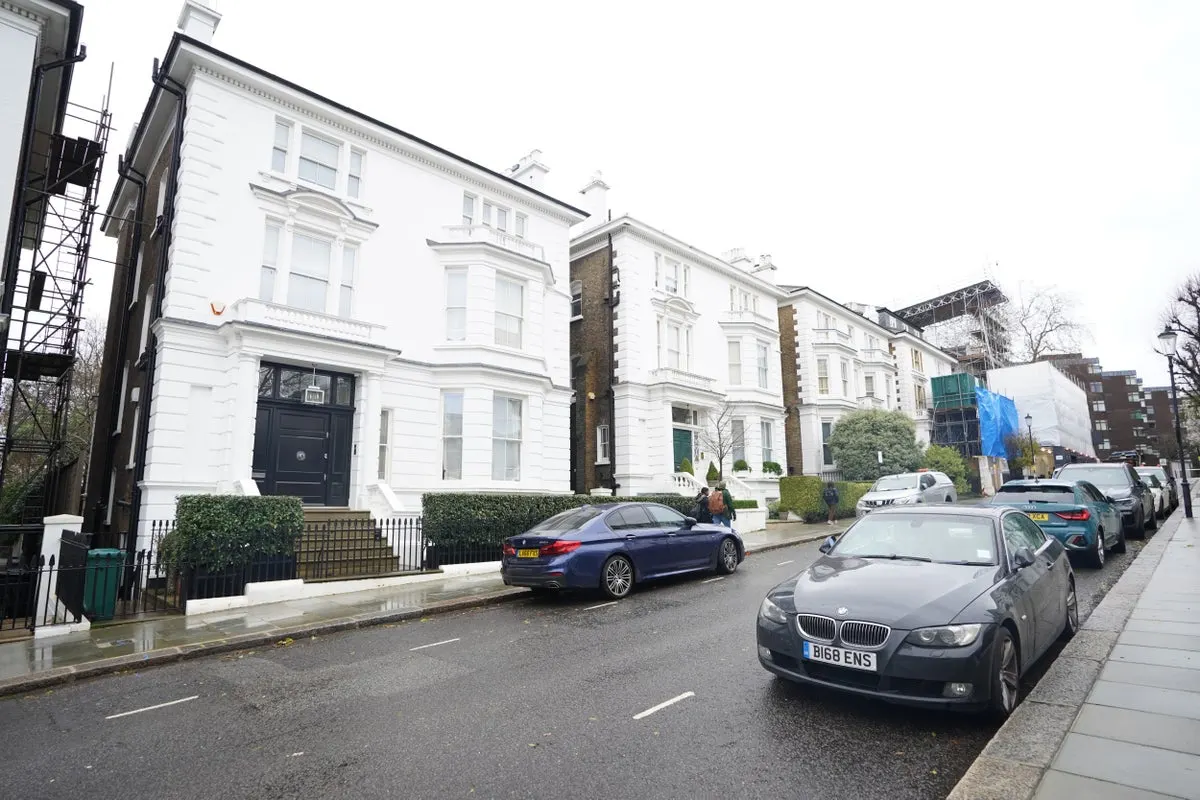
John Healey is reported to have ruled out lowering the threshold for Labour’s planned mansion tax from £2m to £1.5m. Keeping the threshold is intended to avoid weakening public support before the levy begins in April 2028, while the government faces pressure to raise revenue at next month’s Budget.
The tax will apply to qualifying homes in England, with annual charges starting at £2,500 for homes just over £2m and rising to £7,500 for those worth more than £5m. A £1.5m threshold would have increased the number of homes affected from 134,000 to 271,000. The decision comes amid calls from Conservative leader Kemi Badenoch to scrap the tax, while the IMF has upgraded its forecast for UK growth in 2026 to 1.3 per cent.
- Homes worth £1.5m will remain below the planned tax threshold.
- The levy is due to start in April 2028.
- Lowering the threshold would have doubled the number affected.
Both sides, in good faith
The strongest fair case each way — we don't pick a winner.
The case for
Keeping the threshold at £2m limits the levy to the highest-value homes and avoids extending a new annual charge to many more households. With the tax not due to begin until 2028, holding the line may also help sustain public support and give affected owners time to prepare.
The case against
A £1.5m threshold would bring more high-value property into the tax base and could raise more revenue at a time when the government faces budget pressures. Supporters could argue that homes worth £1.5m are still substantial assets, so including them would spread the contribution across more owners while keeping the charge tied to property wealth.