World news and discussion on TalkFuse.
1 in 5 NYC transit riders say they can’t afford fares as MTA plans another hike
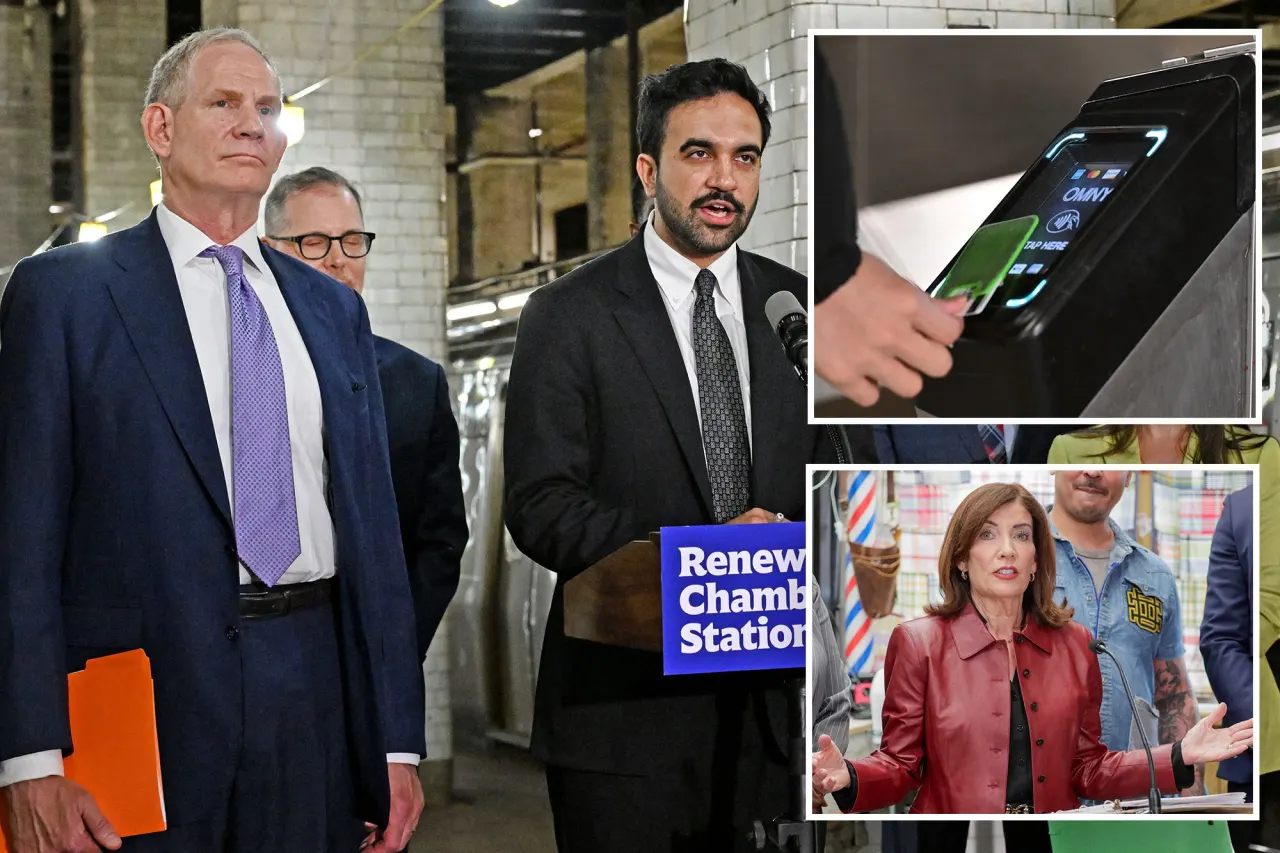
A new survey found that one in five New York City transit riders say they cannot afford the current $3 subway and bus fare, as the MTA plans another increase in March 2027. The proposed change is part of a plan to raise fare and toll revenue by 4%, but the agency has not set a specific fare and its board must approve any increase.
Nearly three in ten riders say they earn too much to qualify for the city’s half-price Fair Fares programme, which the Community Service Society recommends expanding to cover households earning up to 300% of the federal poverty level, from 200%. A state comptroller’s report warned the MTA could face a budget gap of nearly $900 million by 2030, despite planned fare rises in 2027 and 2029, and urged it to control costs, overtime and fare evasion. MTA leaders are also seeking federal support, but the agency has not said whether additional funding could avert the fare rise.
In short
- One in five riders say they cannot afford the current $3 fare.
- The MTA plans a revenue increase in March 2027.
- Advocates want wider access to half-price Fair Fares.
Steelman: both sides, in good faith
The strongest fair case each way — we don't pick a winner.
The case for
The MTA needs reliable revenue to operate and maintain a large transit system, and planned fare increases could help address a projected budget gap while limiting reliance on uncertain outside funding. Supporters may argue that modest, predictable rises are fairer to the wider public than allowing service or infrastructure to deteriorate, especially if the agency also controls costs and fare evasion.
The case against
A fare rise would burden riders who already say they cannot afford the current price, potentially making essential journeys less accessible. Critics may argue that the Fair Fares income limit excludes many financially stretched households, and that the MTA should first pursue broader discounts, cost controls and federal support before asking riders to pay more.