Culture news and discussion on TalkFuse.
10 Best Directors in Film History
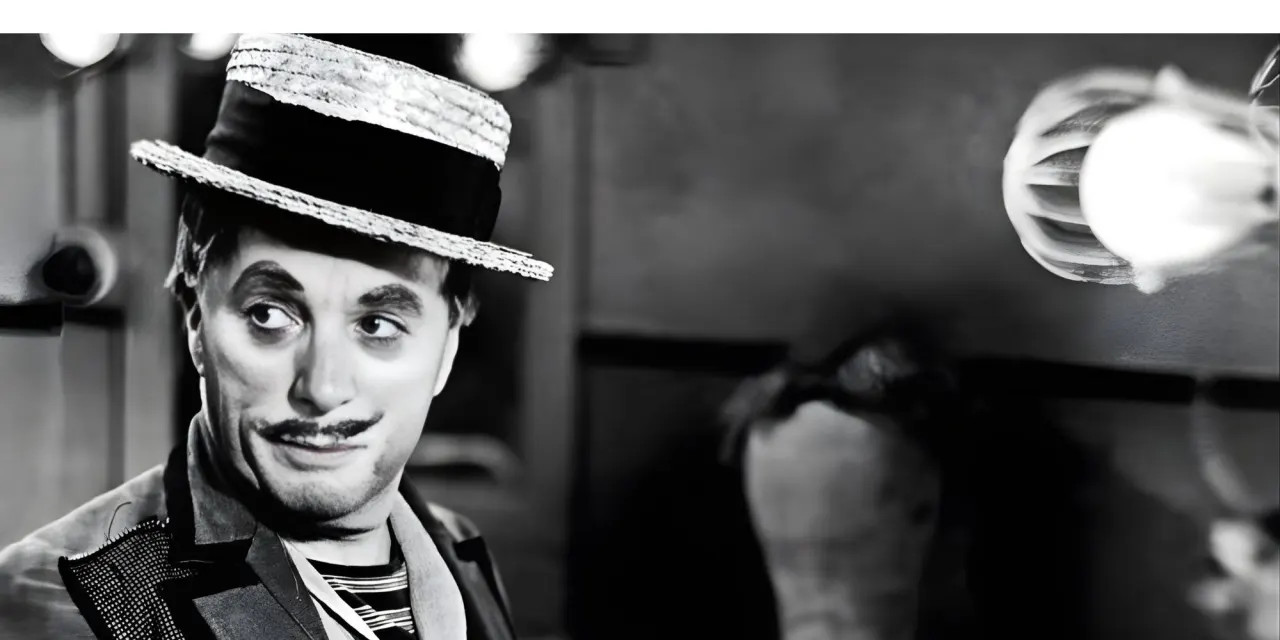
Collider presents a subjective ranking of cinema’s greatest directors, arguing that lasting influence and consistency matter more than current popularity. It highlights filmmakers whose work reshaped storytelling, visual style and the social role of film.
– Orson Welles is placed tenth for the lasting innovations of *Citizen Kane* and later films including *Touch of Evil*.– Charlie Chaplin ranks ninth for combining silent comedy with empathy and political critique in films such as *City Lights* and *The Great Dictator*.– David Lean ranks eighth, praised for his command of ambitious, large-scale historical epics.
In short
- The article ranks influential directors across film history.
- Welles is praised for formal innovation beyond *Citizen Kane*.
- Chaplin’s comedy is presented as emotionally and politically significant.
Explained simply
Film directors shape how a story is told on screen, from the performances and camera work to the pace and overall style. Their influence can extend beyond individual films, changing what audiences and other filmmakers expect cinema to do.
Orson Welles, Charlie Chaplin and David Lean are among the directors discussed here. Welles is known for films such as Citizen Kane and Touch of Evil; Chaplin combined physical comedy with human and political themes in films including City Lights and The Great Dictator; Lean became known for large-scale historical dramas.
Judging directors means weighing different kinds of achievement, including lasting influence and consistency across a career. Such rankings are subjective: filmmakers work in different eras and styles, so there is no single agreed measure of greatness.
Art Culture Entertainment Film