10 Canceled Games We’re Still Upset About Years Later
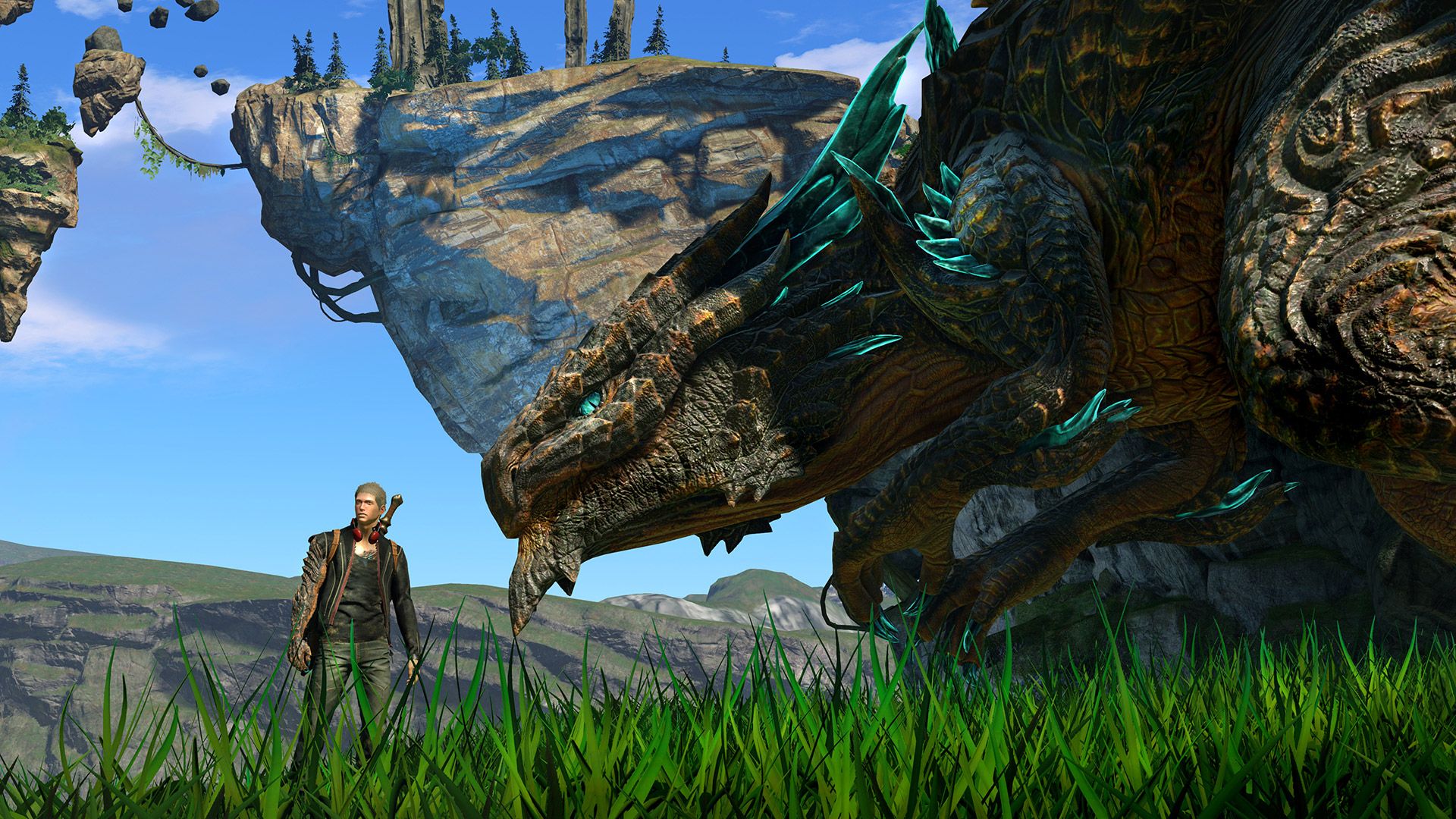
This is a Polygon listicle looking back at video games that were cancelled during development, exploring how each project's demise shaped its studio or franchise. The piece notes that some cancelled titles might have flopped anyway, while others could plausibly have become hits had they received more time and resources, comparing their fate to Schrödinger's cat.
Highlighted entries include StarCraft: Ghost, a shooter announced in 2002 by Nihilistic Software and shelved in 2006 largely because Blizzard redirected resources towards the booming World of Warcraft; Dead Space 4, which Visceral Games began developing in 2013 after Dead Space 3 underperformed, with the studio itself closing in 2017; Fable Legends, a multiplayer action-RPG from Lionhead Studios that was cancelled in 2016 just before its open beta, taking the 20-year-old studio down with it; and The California Raisins: The Grape Escape, a Capcom-published title from Radiance Interactive Designs that was pulled at the last minute before manufacturing.
- Polygon lists ten notable video games cancelled before release.
- StarCraft: Ghost was shelved as Blizzard prioritised World of Warcraft's success.
- Fable Legends' 2016 cancellation also ended developer Lionhead Studios.
New here? Start with this
StarCraft: Ghost, Dead Space 4, Fable Legends and The California Raisins: The Grape Escape are among video games that were shelved by their studios before release, sometimes at a very late stage of development. Cancellations like these happen for various reasons, including a game underperforming compared with expectations, a publisher shifting resources elsewhere, or a studio running into financial or organisational trouble.
These decisions can have consequences well beyond the games themselves. In some cases, a cancelled project contributed to the closure of the studio that made it, as happened with Lionhead Studios after Fable Legends and Visceral Games after its work on Dead Space 4. Other cancellations, such as StarCraft: Ghost, came about because a company chose to focus its efforts on a different, more successful product instead.
Because these games were never finished or released, it is impossible to know for certain whether they would have succeeded or failed. This uncertainty is part of why cancelled titles continue to generate interest among players years afterwards, as people speculate about what might have been.