10 Classic Thriller Movies That Are 10/10 Masterpieces
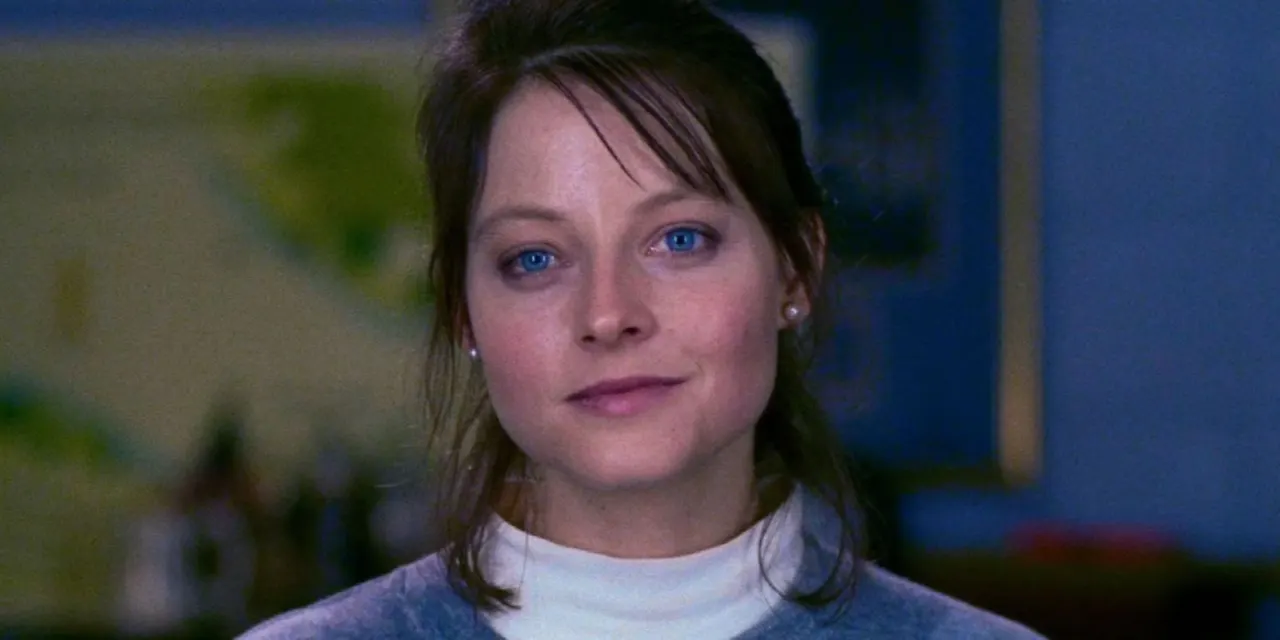
This Collider feature rounds up ten classic thriller films the outlet rates as perfect, 10/10 masterpieces, arguing that these earlier works laid the groundwork for the thrillers being made today. The list spans decades and subgenres, from Southern Gothic psychological terror to neo-noir crime drama to pioneering European sound cinema, highlighting how each film's craftsmanship, characters and twists left a lasting mark on the genre.
Featured titles include Martin Scorsese's 1991 remake of Cape Fear, starring Robert De Niro as a vengeful ex-convict terrorising Nick Nolte's family; Roman Polanski's Chinatown, with Jack Nicholson as a private eye uncovering municipal corruption in 1930s Los Angeles; and Fritz Lang's 1931 German classic M, starring Peter Lorre as a child killer hunted by both police and the criminal underworld. The article credits these films with shaping modern crime and psychological thrillers through their moral complexity, technical innovation and refusal of easy, happy endings.
- Collider names 10 classic thrillers it considers 10/10 masterpieces.
- Highlights include Cape Fear, Chinatown and Fritz Lang's M.
- Argues these films shaped the structure of modern thrillers.
New here? Start with this
Thrillers use suspense, danger and uncertainty to keep audiences guessing, and the genre includes crime stories, psychological dramas and tales of pursuit. Older films helped establish many of the techniques later filmmakers use, including unreliable appearances, morally complicated characters and endings that do not neatly resolve every problem.
The films highlighted include work by directors Martin Scorsese, Roman Polanski and Fritz Lang, with actors such as Robert De Niro, Jack Nicholson and Peter Lorre. Their stories range from a family threatened by a former prisoner to a private investigator probing corruption and a city searching for a child killer.
These films matter because they show how thrillers have changed across different eras and countries while returning to questions of power, justice and fear. Their influence can be seen in later crime and psychological films.