10 directors who bet their careers on one movie and won
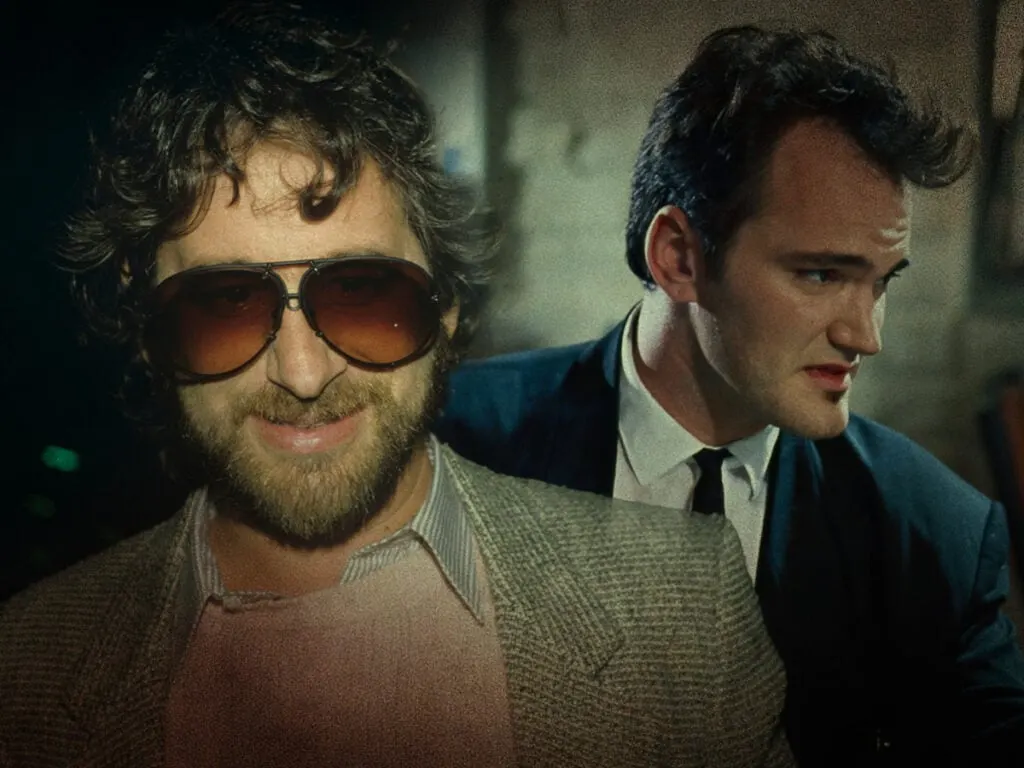
The article examines how directors sometimes stake their future in filmmaking on a single ambitious project, risking limited resources or the trust of studios and financiers. It argues that such gambles can pay off when a film establishes a distinctive voice, earns recognition or gives its director greater creative freedom.
It highlights Charlie Chaplin’s transition to sound and his anti-fascist satire *The Great Dictator*, Orson Welles’s creative control and experimentation in *Citizen Kane*, and Jean-Luc Godard’s unconventional production of *Breathless*. The article says these films strengthened their directors’ standing and influenced cinema, though the supplied text ends as it begins discussing Steven Spielberg.
In short
- Some directors risked their careers on ambitious films.
- *The Great Dictator* helped establish Chaplin as a serious filmmaker.
- *Citizen Kane* and *Breathless* expanded creative freedom and influenced cinema.
Explained simply
A director’s career can depend on whether producers, studios or financiers are willing to back a risky film. A project may require unusual creative freedom, limited resources or a departure from what audiences expect.
Charlie Chaplin, Orson Welles and Jean-Luc Godard each made films that marked a change in their work. Chaplin took on sound and political satire in The Great Dictator; Welles experimented with storytelling in Citizen Kane; and Godard made Breathless in an unconventional way.
Such films can shape how a director is regarded and open the door to more creative control. They can also influence other filmmakers, making their impact extend beyond the people who made them.