Entertainment news and discussion on TalkFuse.
10 documentary movies that got caught in a lie
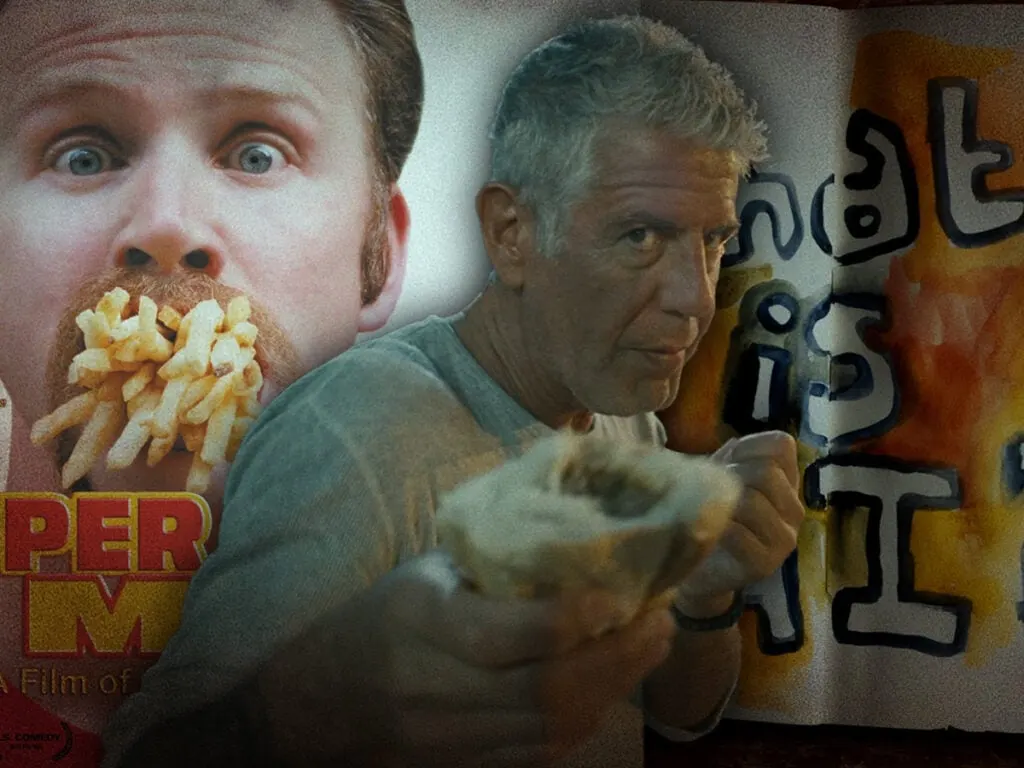
The article argues that documentaries carry a particular responsibility to represent facts accurately, because audiences expect non-fiction and misleading claims can damage trust in the form. It discusses films accused of distorting or omitting facts, including cases where filmmakers’ own claims became part of the controversy.
It highlights Morgan Spurlock’s *Super Size Me*, whose account of eating McDonald’s was later challenged over his undisclosed heavy drinking and estimates of his diet. It also points to disputed claims and missing context in Michael Moore’s *Fahrenheit 9/11*, which became a major commercial success and won the Palme d’Or before drawing criticism from journalists across the political spectrum. The article also raises concerns about the unsupported claims in *The Secret*.
In short
- Documentaries face scrutiny when they present disputed claims as fact.
- *Super Size Me* was criticised over Spurlock’s drinking and diet estimates.
- *Fahrenheit 9/11* and *The Secret* also drew criticism over their claims.
Explained simply
Documentaries use real people and events, but filmmakers still choose what to include and how to present it. Audiences often rely on them for accurate information, so disputed or unsupported claims can affect trust in the genre.
Morgan Spurlock’s Super Size Me examined the effects of eating McDonald’s meals; later scrutiny focused on his drinking and how he described his diet. Michael Moore’s Fahrenheit 9/11 explored US politics and became a major commercial success, while journalists from different political perspectives challenged parts of its account.
The Secret made claims about how people can influence events in their lives, which critics said were not supported by evidence. These films raise questions about how viewers can assess documentary claims and what responsibility filmmakers have to provide context.