Video games news, releases, esports and culture — all the biggest gaming stories in one place.
10 Game Cancellations That Are Still Devastating Years Later
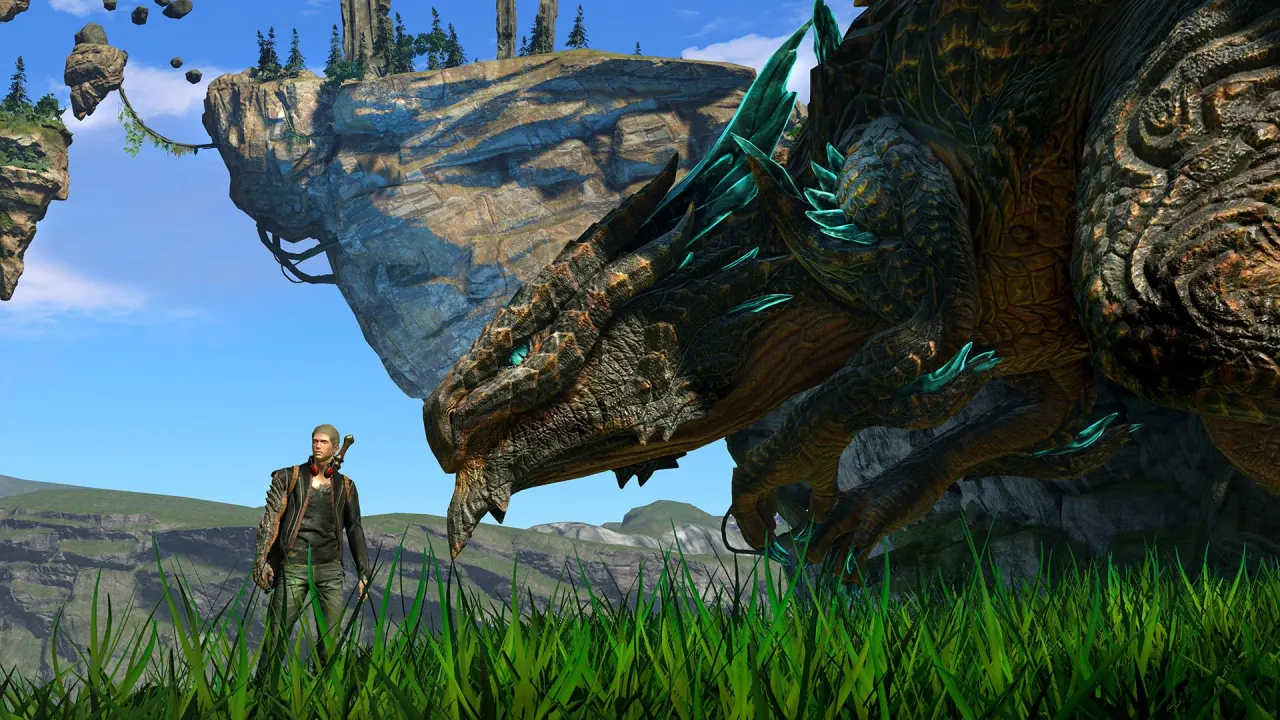
The article examines ten video games that were cancelled during development despite significant investment and fan anticipation, exploring why these lost titles continue to haunt the gaming community years later. Each cancellation represents squandered creative potential, whether due to strategic business decisions, resource reallocation, or poor performance of previous instalments in the franchise.
Notable casualties include StarCraft: Ghost, which spent four years in active development before Blizzard shelved it in 2006 to focus on the hugely successful World of Warcraft; Dead Space 4, which never received an official announcement but was quietly abandoned in 2013 before any playable content was built; Fable Legends, which had nearly completed development and was preparing for open beta when Microsoft cancelled it in 2016, precipitating the closure of developer Lionhead Studios; and The California Raisins: The Grape Escape, which progressed so far it was nearly sent to manufacturing before being cancelled due to fading cultural relevance and Capcom's competing priorities.
In short
- Many cancelled games had significant development investment and nearly reached completion
- Business decisions and resource reallocation towards more profitable projects drive cancellations
- Lost games represent unrealised potential that continues to disappoint fans
Steelman: both sides, in good faith
The strongest fair case each way — we don't pick a winner.
The case for
Game cancellations represent necessary strategic decisions that benefit the industry overall. Companies must allocate resources to their most promising ventures based on market conditions and performance data; Blizzard's choice to focus on the hugely successful World of Warcraft instead of StarCraft: Ghost proved commercially wise and ultimately benefited the gaming landscape. These cancellations, though disappointing, reflect responsible stewardship of finite development resources and allow studios to pivot toward projects with greater potential for success and player satisfaction.
The case against
Cancellations of titles far advanced in development, particularly Fable Legends which was approaching completion, represent catastrophic waste of years of creative labour and substantial financial investment. These decisions break faith with anticipating communities and devastate developers whose work evaporates; the pattern suggests systemic failures in planning and corporate decision-making rather than prudent business choices. Companies bear responsibility for projects they announce and cultivate fan expectations around, making mid-development cancellations feel like betrayals rather than sensible pivots.
Explained simply
Video games in development are sometimes cancelled when publishers decide to halt production due to changing business priorities, disappointing test results or resource constraints. These cancellations can range from projects that never reached playability to games that were nearly complete and ready for release.
When a game is cancelled, years of creative work and significant financial investment effectively disappear, leaving no finished product for either developers or fans. The impact can be especially pronounced for cancelled sequels in beloved franchises or for games that generated substantial anticipation before being shelved.
Gaming fans often continue to discuss and reminisce about cancelled titles long after their demise, wondering what those games might have become. These discussions reflect the emotional investment the gaming community has in these lost projects and broader frustrations with decision-making in the video game industry.