Culture news and discussion on TalkFuse.
10 Horror Books That Are Perfectly Written
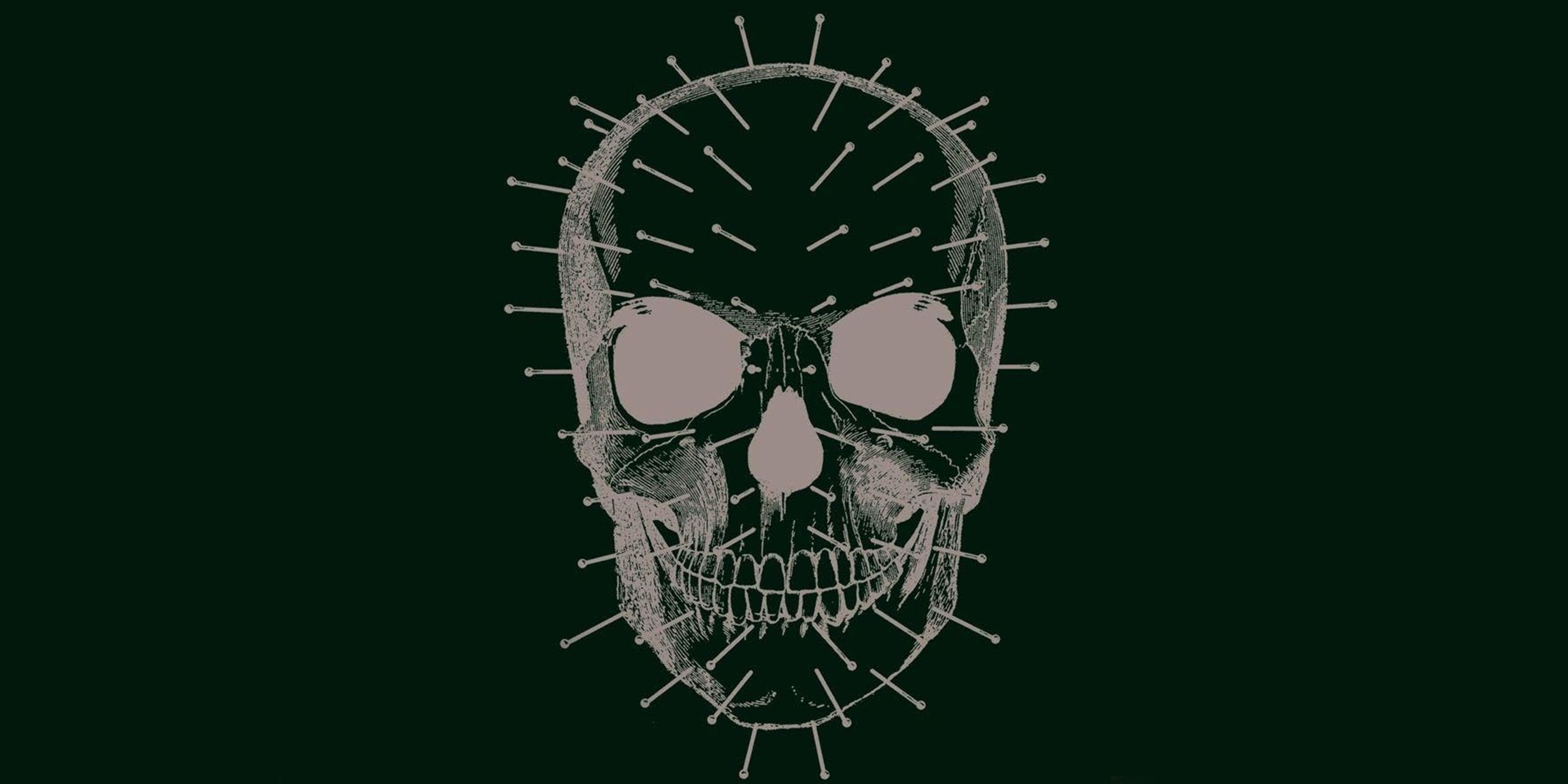
Collider has published a list of ten horror novels praised for their outstanding writing, arguing that these books transcend typical genre storytelling through their prose style, structure and thematic depth. The list, compiled by author Shawn Van Horn, highlights how horror fiction can blend visceral fear with weightier subjects such as trauma, grief, exploitation and social commentary, with many of the chosen titles having also inspired well-known film adaptations.
Ranked tenth is Clive Barker's 1986 novella "The Hellbound Heart," the source material for "Hellraiser," praised for its tight, immediate prose. Ninth is Mariana Enriquez's "Our Share of Night" (2019), a multi-decade Spanish-language novel translated by Megan McDowell, noted for its shifting timelines and bleak, violent style. Eighth is Tananarive Due's "The Reformatory" (2023), set in Jim Crow-era Florida and centred on a boy haunted by ghosts at an abusive reform school. The full article continues through further entries on the way to its top pick.
In short
- Collider ranks ten horror novels for exceptional writing quality.
- List includes Clive Barker's "The Hellbound Heart" at number ten.
- Mariana Enriquez and Tananarive Due also feature prominently.
Steelman: both sides, in good faith
The strongest fair case each way — we don't pick a winner.
The case for
Horror literature deserves serious critical recognition for genuine literary excellence. These selections demonstrate that genre classifications should not determine whether a work's artistic merit receives acknowledgement. When horror combines superlative prose style with thematic depth—exploring trauma, exploitation and social commentary—it achieves the same literary standards as any other fiction, and such accomplishments warrant equal critical standing and celebration.
The case against
Whilst well-written horror certainly exists, treating contemporary selections as possessing 'perfect' writing risks conflating current critical fashion with enduring literary merit. True canonisation typically requires sustained critical consensus built over years rather than immediate elevation to masterpiece status. Maintaining rigorous standards means distinguishing between horror that is competently written and thematically interesting, and the kind of universal stylistic excellence that justifies the highest praise.
Explained simply
Horror literature typically deals with fear and the supernatural, but the best works achieve excellence through their writing and thematic depth. Collider has published an article ranking ten such novels, celebrating how horror fiction can combine intense scares with meaningful exploration of serious subjects such as trauma, grief and social injustice.
These works demonstrate how horror serves as a unique literary medium for examining darker aspects of human experience and society. Many of the novels featured have also been adapted into films, showing the genre's cultural significance and influence beyond literature. Horror fiction thus bridges serious literary merit with entertainment value, appealing to both critics and general audiences.
The selections span different cultures, time periods and approaches to horror storytelling. Some are grounded in historical trauma and institutional abuse, whilst others blend supernatural elements with examinations of family dysfunction or personal violence.