10 movies where one actor shone and another flopped
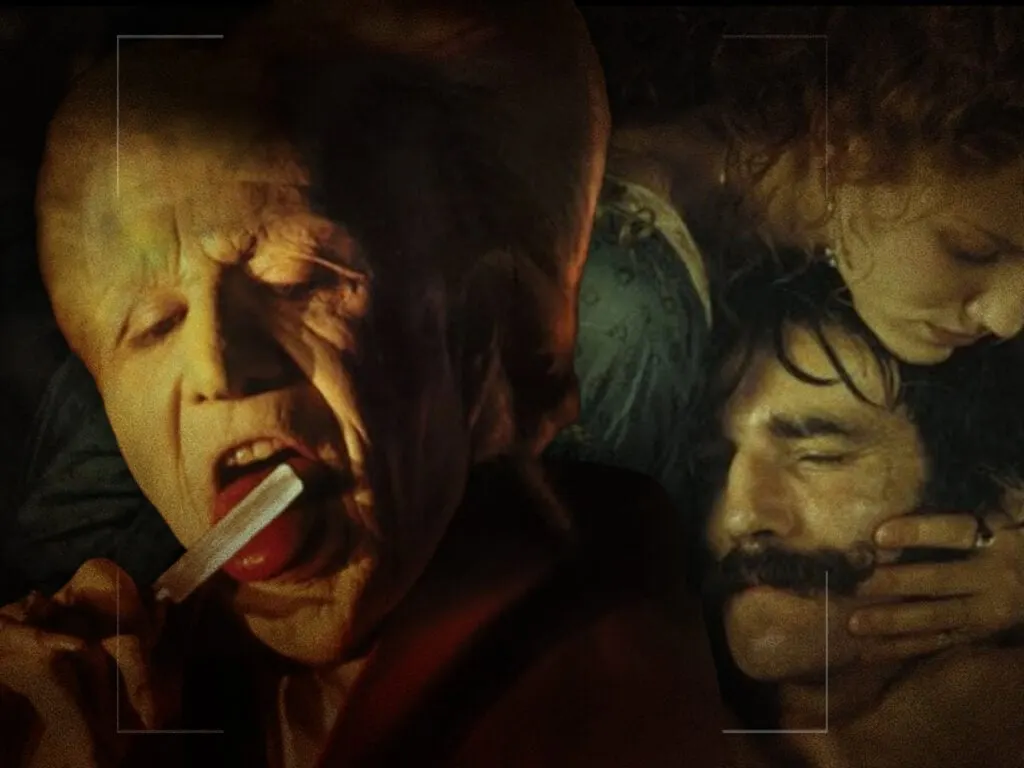
Film performances don't exist in isolation; a strong actor's work can be enhanced or compromised by their co-stars, with several acclaimed films demonstrating this dynamic.
– Wall Street: Michael Douglas won an Academy Award for his compelling portrayal of corporate raider Gordon Gekko, but Daryl Hannah's stiff performance as art designer Darien Taylor felt out of place, unable to match the film's rapid-fire dialogue. – Bram Stoker's Dracula: Gary Oldman's energetic, seductive vampire performance stands out, whilst Keanu Reeves' awkward English accent and stiff portrayal as Jonathan Harker feels entirely out of place in the period setting. – True Grit: John Wayne's Oscar-winning performance as Marshal Rooster Cogburn is undercut by Kim Darby's obnoxious child performance as a girl seeking revenge, with the character never feeling authentic in the role.
- Michael Douglas won an Oscar whilst Daryl Hannah struggled in Wall Street
- Gary Oldman shone in Dracula despite Keanu Reeves' poor English accent
- John Wayne excelled in True Grit but was undermined by Kim Darby's weak performance
New here? Start with this
Film performances are often analysed individually, but critics and audiences have long recognised that strong acting can be enhanced or compromised by the work of co-stars in the same film. A skilled performer might elevate a scene, whilst a miscast or unconvincing actor can undercut what would otherwise be compelling storytelling.
This article examines films where this dynamic is particularly pronounced: cases where one actor's acclaimed performance is notably contrasted with another's weaker showing in the same production. Such examples illustrate how acting talent is not the only factor in film success; chemistry between cast members and the quality of individual performances matter significantly to how viewers experience a film.
The analysis presented demonstrates this dynamic in practice, examining films where one actor's acclaimed work exists alongside another's less convincing performance. These examples show how the gap between actors' performances shapes how audiences experience and remember a film.
Both sides, in good faith
The strongest fair case each way — we don't pick a winner.
The case for
Film performances demonstrably vary in quality and effectiveness within the same production, as evidenced by divergent critical and audience reception. Comparing actors' work is legitimate film criticism that recognises meaningful differences in technical skill, emotional depth, and screen presence. Some performers more convincingly handle demanding material—complex dialogue, period accents, or nuanced characterisation—and it is neither unfair nor unreasonable to evaluate these observable distinctions.
The case against
Labelling a performance as having "flopped" oversimplifies the multifaceted nature of acting. What reads as stiff may reflect deliberate character choice, directorial vision, or appropriate restraint rather than poor skill. Different roles demand different approaches, and an actor's apparent shortcoming may stem from weak dialogue, inadequate direction, insufficient screen time, or character conception rather than incapacity. Performance quality is fundamentally subjective, and such comparative judgments risk dismissing work whose contextual purpose and effectiveness remain valid.