Entertainment news and discussion on TalkFuse.
10 Near-Perfect Space Opera TV Shows No One Remembers Today
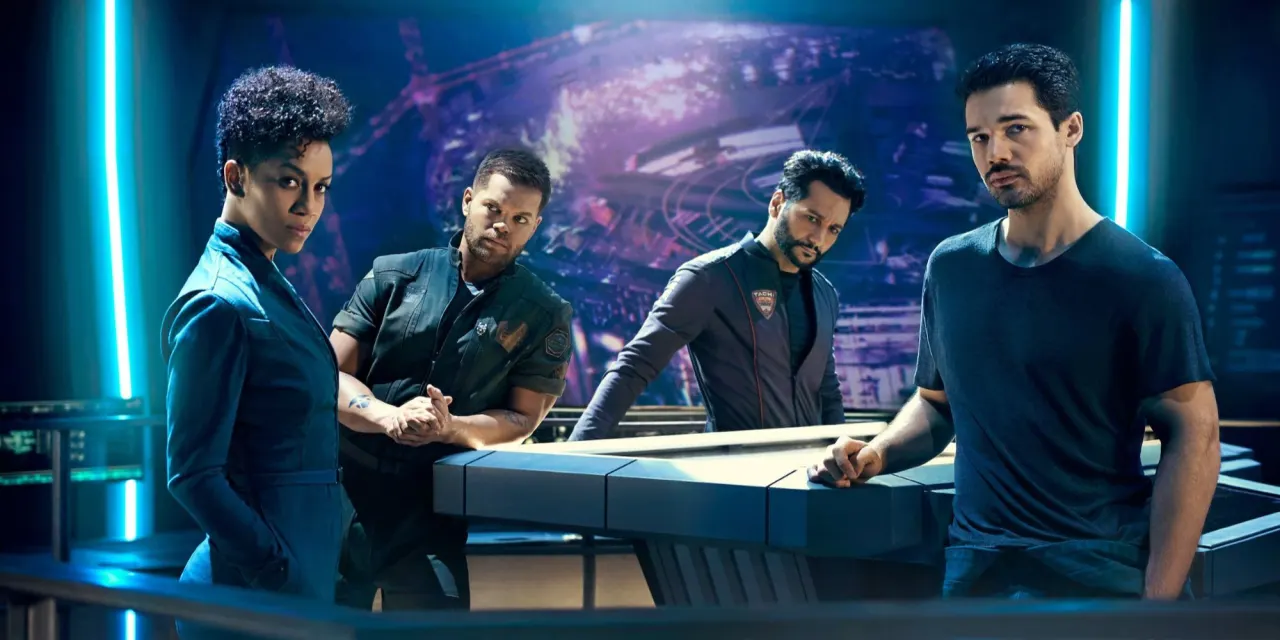
Collider has published a listicle highlighting ten space opera television series that critics regard as excellent but which have largely faded from public memory. The piece focuses on shows in the space opera tradition—epic, character-driven adventures set against interstellar conflict, rather than hard science fiction—arguing that despite the genre's popularity since Star Wars, many strong television entries have been overlooked.
Two of the featured shows illustrate the list's range: Buck Rogers in the 25th Century (1979–1981), a two-season NBC series following a 20th-century astronaut revived in the 25th century to defend Earth, praised for its pulpy, cinematic charm; and Dark Matter (2015–2017), based on Blake Crouch's novel, about a physicist (Joel Edgerton) navigating a multiverse of alternate lives to find his way home, noted here as a show many viewers never realised existed despite an upcoming second season.
In short
- Collider lists ten under-the-radar but acclaimed space opera TV series.
- Buck Rogers in the 25th Century (1979–81) is cited for pulpy, cinematic appeal.
- Dark Matter (2015–17) explores multiverse identity, with a new season coming.
Explained simply
Space opera is a type of science fiction built around large-scale adventures, memorable characters and conflicts between worlds or civilisations. It often gives more attention to those stories than to the scientific details of space travel, and became widely popular through works such as Star Wars.
Television has also used the style in shows ranging from Buck Rogers in the 25th Century, about an astronaut revived centuries after his own time, to Dark Matter, which follows a physicist facing different versions of his life. The genre spans different eras and approaches, so some series have reached audiences more widely than others.
Lists of overlooked shows draw attention to how television history can include programmes that are less familiar to today’s viewers. Their visibility may depend on when they aired, who watched them and whether they remained easy to find afterwards.
Entertainment Space Technology TV