Culture news and discussion on TalkFuse.
10 overlooked 1960s albums that should have topped the chart
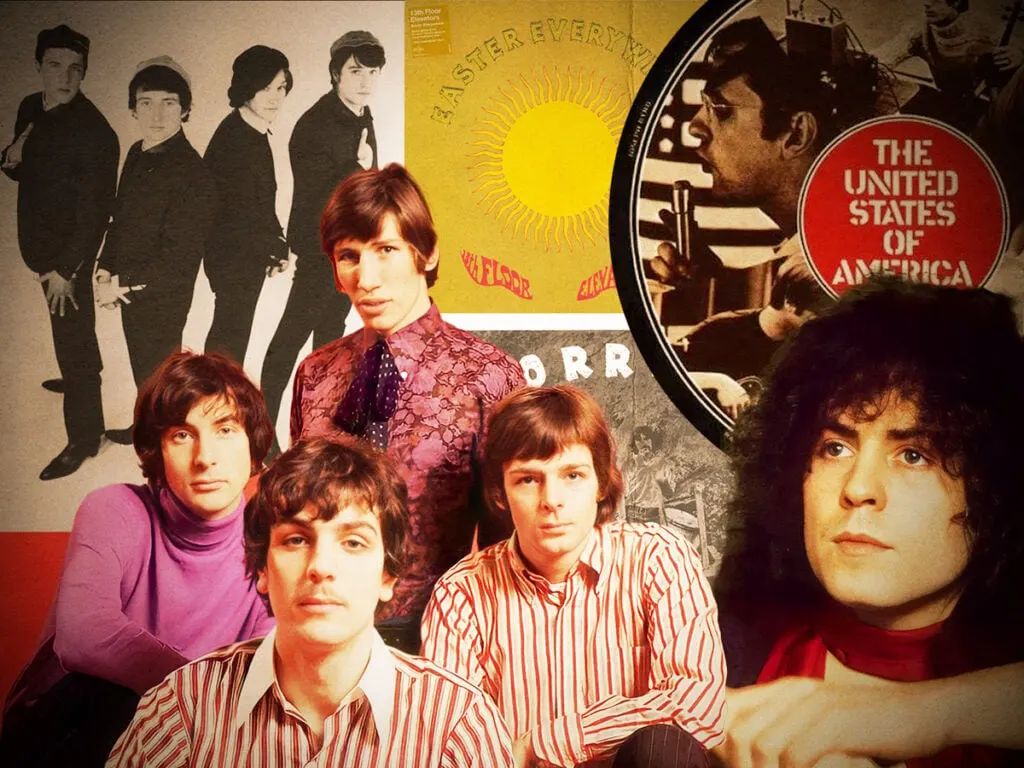
Far Out Magazine has put together a list of ten albums from the 1960s that the writers believe deserved to top the charts but were largely overlooked at the time. The piece argues that although the decade produced huge commercial successes, several genuinely excellent records were too experimental or ahead of their time to find a wide audience, and it aims to give these overlooked works belated recognition.
Among the albums highlighted are 13th Floor Elevators' "Easter Everywhere", praised for pioneering a psychedelic sound before the genre was properly defined; T Rex's "My People Were Fair and Had Sky in Their Hair… But Now They're Content to Wear Stars on Their Brows", noted for its gentler pre-glam rock style; and Lazy Smoke's "Corridor of Faces", which drew comparisons to the Beatles' Sgt. Pepper-era sound while still standing as its own distinct work. The article also references Jethro Tull's Ian Anderson discussing Led Zeppelin's influence on progressive rock, suggesting further entries explore similar cross-genre influences, though the full list extends beyond the albums detailed here.
In short
- Far Out lists ten underrated 1960s albums that deserved chart success.
- Highlights include 13th Floor Elevators, T Rex and Lazy Smoke records.
- Article frames these as ahead of their time and overlooked by audiences.
Steelman: both sides, in good faith
The strongest fair case each way — we don't pick a winner.
The case for
Artistic merit and commercial success remain distinct concepts; chart performance depends on numerous factors beyond quality, including radio access, marketing resources, and cultural timing. Many pioneering works initially fail to find audiences because they're too experimental or ahead of their era's commercial sensibilities. Critical reassessment with historical distance can reveal genuine artistry and innovation that contemporary audiences weren't ready to embrace. Recognising overlooked albums enriches our understanding of the 1960s' true creative achievement beyond mere commercial performance.
The case against
Chart success represented the authentic preferences of people who actually lived through the 1960s and made genuine choices about their music. Albums that didn't achieve commercial success may have deserved that outcome—whether through genuinely narrower appeal, less accessibility, or simply failing to connect with audiences. Retroactively declaring that modern critics understand better what deserved chart success than the people who lived through the era is presumptuous. We should respect historical market verdicts rather than constantly second-guess them with contemporary critical preferences.
Explained simply
The 1960s brought major changes in popular music, with rock expanding into psychedelic sounds, folk influences and longer, more experimental recordings. Albums could reach large audiences through radio, record shops and charts, but unusual or unfamiliar styles did not always attract broad attention when first released.
The artists mentioned include the American psychedelic band 13th Floor Elevators, the British group T. Rex before its later glam-rock success, and the little-known American band Lazy Smoke. Their records show how musicians were exploring new sounds alongside more commercially successful acts, including the Beatles.
The story looks back at how chart performance and lasting musical influence do not always match. Revisiting these albums offers a way to consider which records were missed by listeners at the time and how musical tastes can change.
Art Culture Entertainment Music