Entertainment news and discussion on TalkFuse.
10 Sci-Fi Movies That Looked So Good, But Were So Bad
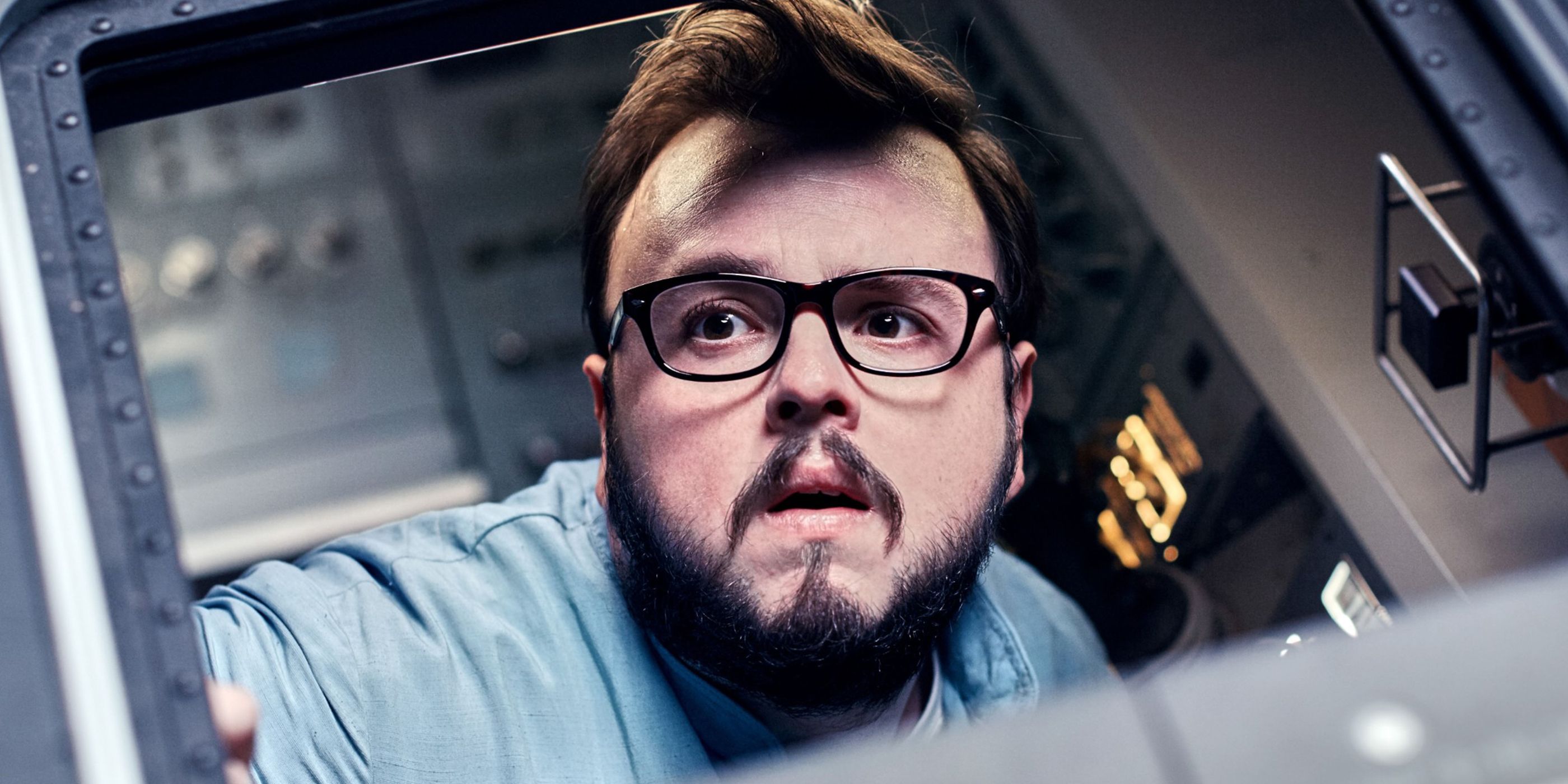
The entertainment industry regularly produces science fiction films that disappoint audiences despite sophisticated marketing campaigns. Trailers and promotional materials effectively highlight intriguing premises and visual effects, yet these often mask underlying problems with storytelling, character development, and screenplay quality. The article highlights a persistent pattern where audiences are drawn to high-concept ideas only to encounter films undermined by weak dialogue, narrative inconsistencies, and unconvincing performances.
Moonfall serves as a contemporary example of this mismatch. The 2022 disaster film presented an engaging scenario involving NASA personnel attempting to prevent Earth's collision with a displaced moon. Despite its visual ambition, the film settled into an unsatisfying middle ground—delivering neither the emotional intensity of comparable disaster films nor the scientific rigour of thoughtful science fiction. The resulting 130-minute experience provided sporadic action scenes interrupted by extended melodramatic passages, failing to honour the intellectual or visceral promises its promotional campaign implied.
In short
- Science fiction films frequently leverage impressive marketing and trailers to attract audiences despite significant execution failures
- Moonfall exemplifies this pattern: a premise about preventing lunar collision promised spectacle but delivered melodrama with occasional action sequences
- Poor dialogue, thin plots, and weak acting plague such productions, with promotional teams often more successful than the filmmakers themselves
Steelman: both sides, in good faith
The strongest fair case each way — we don't pick a winner.
The case for
These films make and break implicit promises. They market ambitious narratives and emotional engagement alongside visual spectacle, yet systematically deliver weak dialogue, narrative inconsistencies, and hollow character development. When audiences invest in a film promising both imaginative ideas and storytelling coherence, expecting competent narrative execution is reasonable rather than excessive. The misallocation of substantial resources toward effects at the expense of coherent plotting represents a genuine creative failure.
The case against
Critics persistently misjudge what these films attempt. Modern sci-fi spectacles legitimately prioritise visual innovation, world-building, and conceptual imagination over traditional dramatic structures—a choice worth defending rather than condemning. Films like Moonfall deliver distinct pleasures—imaginative scale, visceral wonder, compelling scenarios—that audiences genuinely value; demanding they also excel at dialogue and character arcs imposes standards from a different genre entirely. These films largely succeed at their actual purposes; calling them failures reflects critical bias rather than fair assessment.
Explained simply
Science fiction films often feature impressive visual effects and intriguing concepts that attract audiences. However, many of these films ultimately disappoint because their stories, characters, and dialogue fail to match the quality promised by their trailers and marketing campaigns.
This happens because studios market films based on their strongest visual elements and high-concept ideas. When audiences actually watch them, they frequently discover that weak storytelling and poor character development undermine what initially seemed like an exciting premise.
The 2022 film Moonfall illustrates this pattern. Despite presenting an ambitious scenario about NASA trying to prevent a displaced moon from colliding with Earth, the film failed to deliver a compelling experience, shifting between action scenes and melodrama without finding a satisfying tone.
Entertainment Film Space Technology