World news and discussion on TalkFuse.
10 Sci-Fi Movies That Will Make You See the World Differently
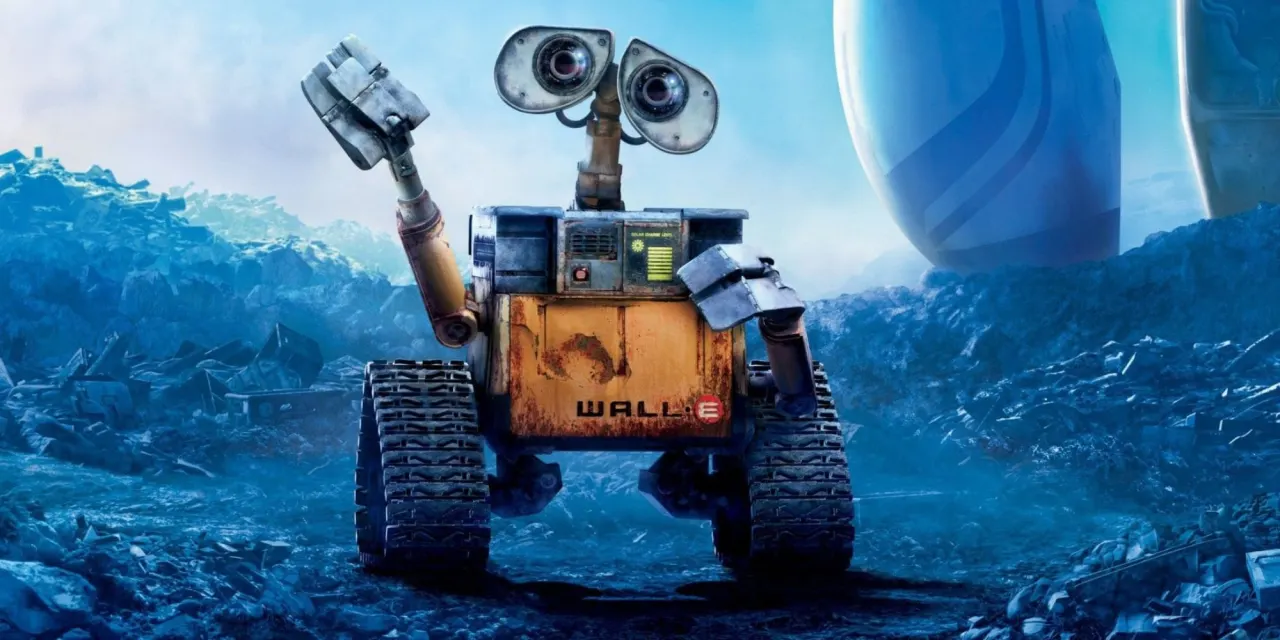
Collider has published a list of ten science fiction films chosen not just for their entertainment value but for their capacity to change how viewers see the world, whether through ideas about communication, technology or humanity's future. Written by Michael Block, the piece argues that while sci-fi is often discussed purely as art or spectacle, certain standout films transcend genre to prompt genuine philosophical reflection in audiences.
The countdown opens with Stanley Kubrick's "2001: A Space Odyssey" (1968), praised for its visual metaphors on human evolution and artificial intelligence, its eerily accurate technological predictions, and its enduring HAL 9000 storyline questioning whether AI serves or threatens humanity. Second on the list is Denis Villeneuve's "Arrival" (2016), noted for its exploration of language and communication with alien life. The article, published on 4 August 2026, continues through eight further entries examining similarly thought-provoking sci-fi titles.
In short
- Collider ranks ten sci-fi films noted for reshaping viewers' worldviews.
- "2001: A Space Odyssey" tops the list for its AI and evolution themes.
- "Arrival" ranks second for its focus on alien communication.
Explained simply
Science fiction uses imagined technologies, futures or encounters with unfamiliar life to explore questions about society and human nature. Its stories can range from space journeys to life on Earth shaped by new inventions.
Stanley Kubrick’s 2001: A Space Odyssey and Denis Villeneuve’s Arrival are two well-known examples. They look at questions such as how technology might affect people and how language shapes communication.
These films matter to viewers and filmmakers because they can make abstract questions easier to consider through story and images. Their ideas also connect with real debates about artificial intelligence, human progress and contact with life beyond Earth.
Americas Entertainment Film Space Technology World