World news and discussion on TalkFuse.
10 ways the UK-EU ‘reset’ leaves Brits ‘worse off’ – full list
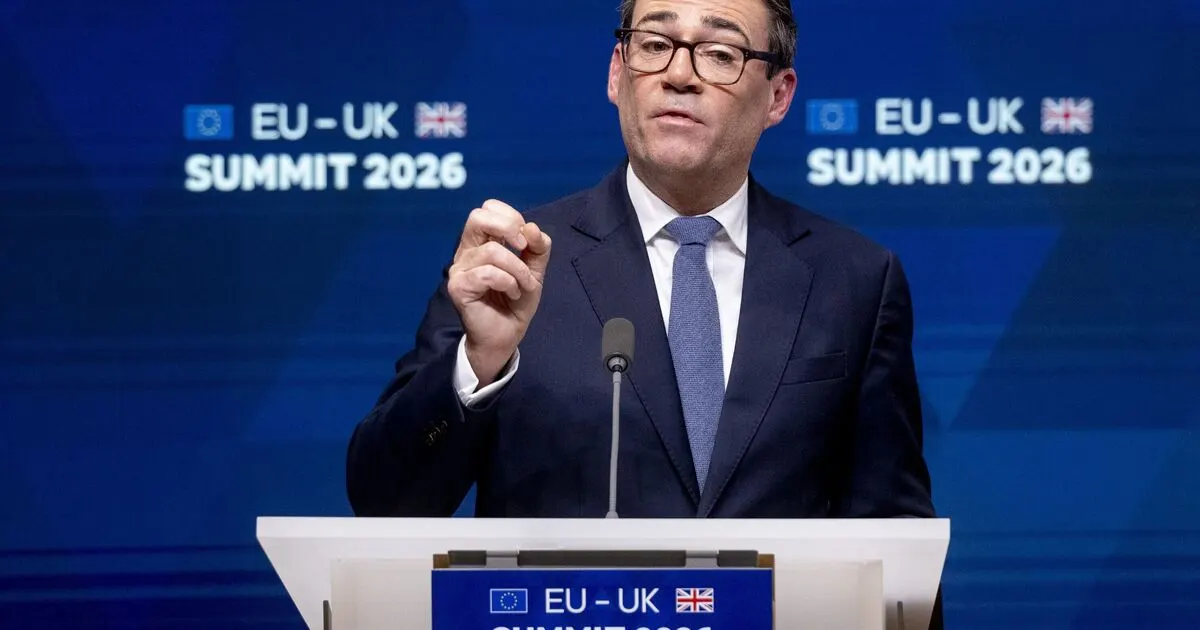
Britain Unbound says the UK-EU reset could increase costs for households, businesses and taxpayers, and reduce the UK’s freedom to set its own rules. Its criticism contrasts with the Government’s claims that the agreements will lower living costs, ease business and expand opportunities for young people.
The group’s concerns include new compliance rules for food producers, risks from removing some import checks, and possible higher energy costs from linking emissions schemes. It also questions the proposed youth exchange scheme, potential tuition-fee costs for universities, and unresolved plans on European industry and electricity. The article mentions an extension of EU fishing rights in British waters to 2038; its text cuts off before the group’s full assessment of that deal.
In short
- Britain Unbound warns the reset could raise costs.
- Concerns include food rules, energy charges and student fees.
- EU fishing rights in British waters extend to 2038.
Steelman: both sides, in good faith
The strongest fair case each way — we don't pick a winner.
The case for
Critics argue the reset could impose new compliance costs on food producers, expose the UK to risks if import checks are removed, and raise energy costs through closer links between emissions schemes. They also say uncertainty over youth exchanges, university fees, industrial policy and electricity arrangements could leave households, businesses and taxpayers paying more while limiting Britain’s freedom to set rules. The extension of EU fishing rights to 2038 adds to their concern about the terms of the agreements.
The case against
Supporters argue that closer cooperation with the EU could reduce barriers for businesses and help lower living costs, while giving young people more opportunities through exchange programmes. Common arrangements on food, energy and emissions could also make trade and planning more predictable, with any new compliance costs offset by smoother market access. They may see the agreements as practical cooperation that preserves meaningful UK choices while addressing issues that are difficult to manage across borders.
Europe Geopolitics Government Politics UK World