10 Worst Changes ‘The Godfather’ Movies Made From the Books, Ranked
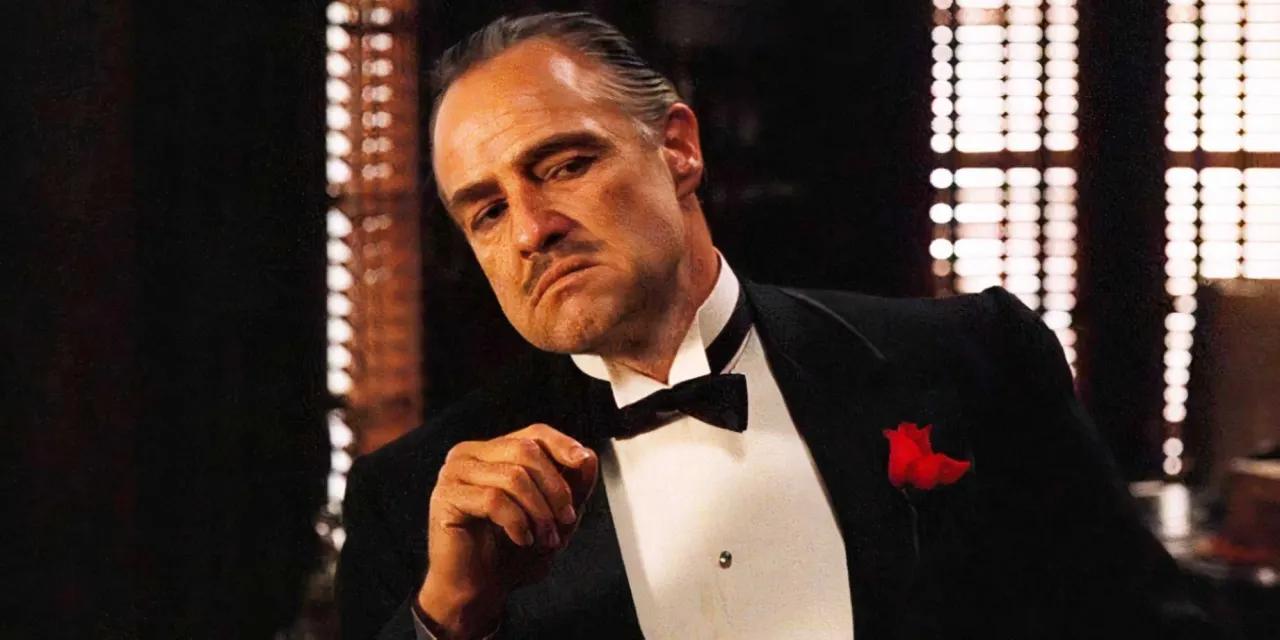
The article ranks changes made when adapting Mario Puzo’s novel The Godfather for Francis Ford Coppola’s films. It argues that some omitted or altered scenes would have added depth to the characters and their relationships, despite the films’ acclaim.
Examples include a deleted scene in which Carmela Corleone calmly asks Sonny whether Vito has died after being shot, revealing her strength as the family matriarch. The novel also includes a disturbing story about Luca Brasi killing his newborn child and the child’s mother, which the article says would have clarified his reputation for cruelty; it also notes that Kay seeks Michael out after his return to the United States.
- The article ranks ten changes between the Godfather novel and films.
- A deleted scene gives Carmela greater depth.
- Puzo’s novel reveals the full extent of Brasi’s cruelty.
New here? Start with this
Mario Puzo’s novel The Godfather, published in 1969, follows the Corleone family, a powerful Italian-American crime family, and its move from father Vito’s leadership to son Michael’s. Francis Ford Coppola adapted the story into films released in the 1970s, which became widely acclaimed.
Adapting a novel for film often means changing or removing scenes. The article compares the two versions, including scenes involving Vito’s wife Carmela, the feared enforcer Luca Brasi and Michael’s relationship with Kay Adams.
These differences matter because a brief scene can shape how viewers understand a character or a relationship. The article argues that some material left out of the films would have added detail, though readers and viewers may differ on which changes mattered most.