10 Worst ‘The Twilight Zone’ Episodes, Ranked
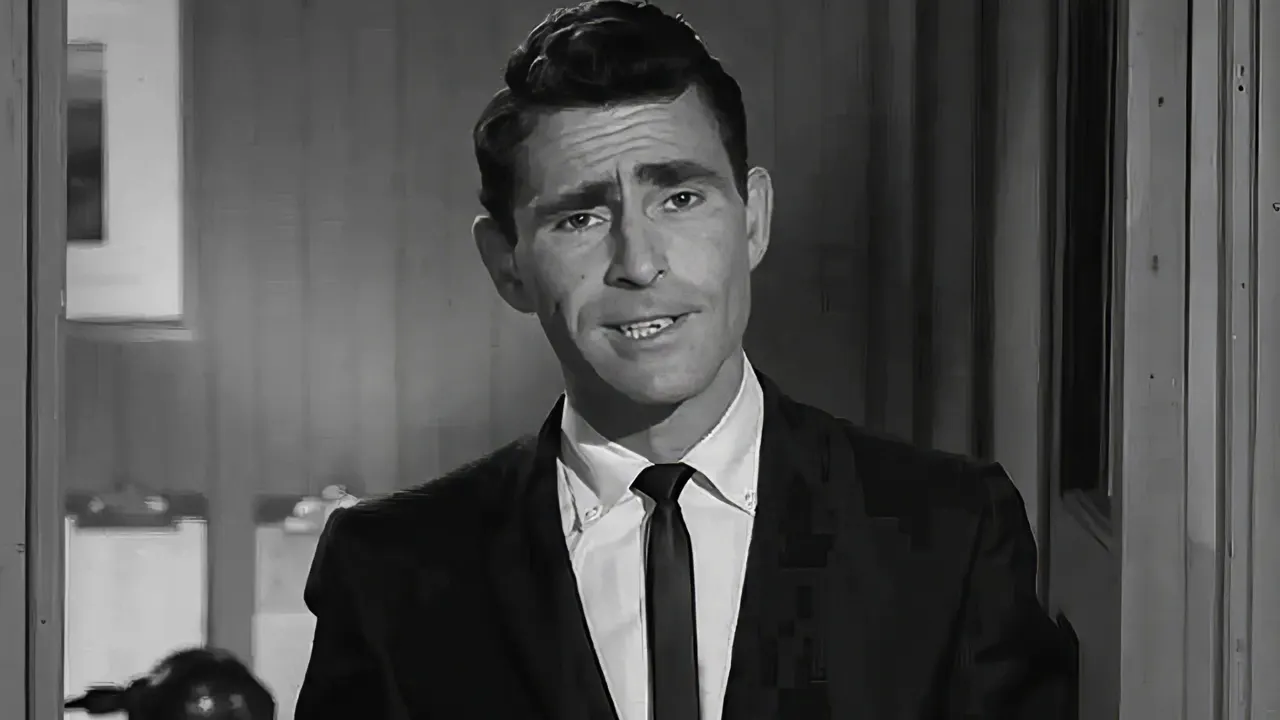
The article ranks ten episodes of *The Twilight Zone* that it considers weaker than the series’ best, arguing that their shortcomings are often slow pacing, overlong running times or stories that do not fully deliver on their premises. It notes that even these episodes may have redeeming qualities, reflecting the difficulty of choosing outright failures from the influential anthology series.
Among the examples discussed, the series finale, “The Bewitchin’ Pool”, is faulted for production problems: outdoor audio had to be re-recorded, and June Foray replaced Mary Badham’s voice because Badham had returned home and was too expensive to bring back. “The Lateness of the Hour” is described as slow despite a strong final twist, while “Jess-Belle” is criticised for its drawn-out runtime and uneven sequence of events. The article also includes “An Occurrence at Owl Creek Bridge” in its ranking.
- The ranking identifies ten weaker episodes from the classic anthology series.
- “The Bewitchin’ Pool” was affected by audio problems and a voice replacement.
- Slow pacing and overlong stories are recurring criticisms.
New here? Start with this
The Twilight Zone is an American television anthology series created by Rod Serling, first shown from 1959 to 1964. Each episode tells a separate story, often using fantasy, science fiction or suspense to explore human choices and fears.
Serling introduced many episodes, but the series also drew on other writers, directors and performers. Its stories varied in length and style, and some episodes faced practical production constraints, including changes to voice recordings.
The series became influential, so assessments of its weaker episodes sit alongside its reputation for memorable storytelling. “An Occurrence at Owl Creek Bridge” is an unusual entry in the ranking: it began as a French short film before being shown as an episode.
Both sides, in good faith
The strongest fair case each way — we don't pick a winner.
The case for
A ranking of the series’ weakest episodes can help viewers navigate a landmark show, and the article gives concrete reasons for its choices, including slow pacing, overlong stories and production problems. Even a classic anthology can have episodes whose ideas or execution fall short, while still retaining moments worth watching.
The case against
Calling these episodes among the show’s worst is necessarily subjective, and a focus on pacing or production flaws may undervalue their atmosphere, experimentation or individual strengths. In a series known for ambitious, varied storytelling, episodes that do not satisfy every premise may still be meaningful or rewarding to some viewers.