10 Years Ago, PlayStation Almost Changed Gaming Forever
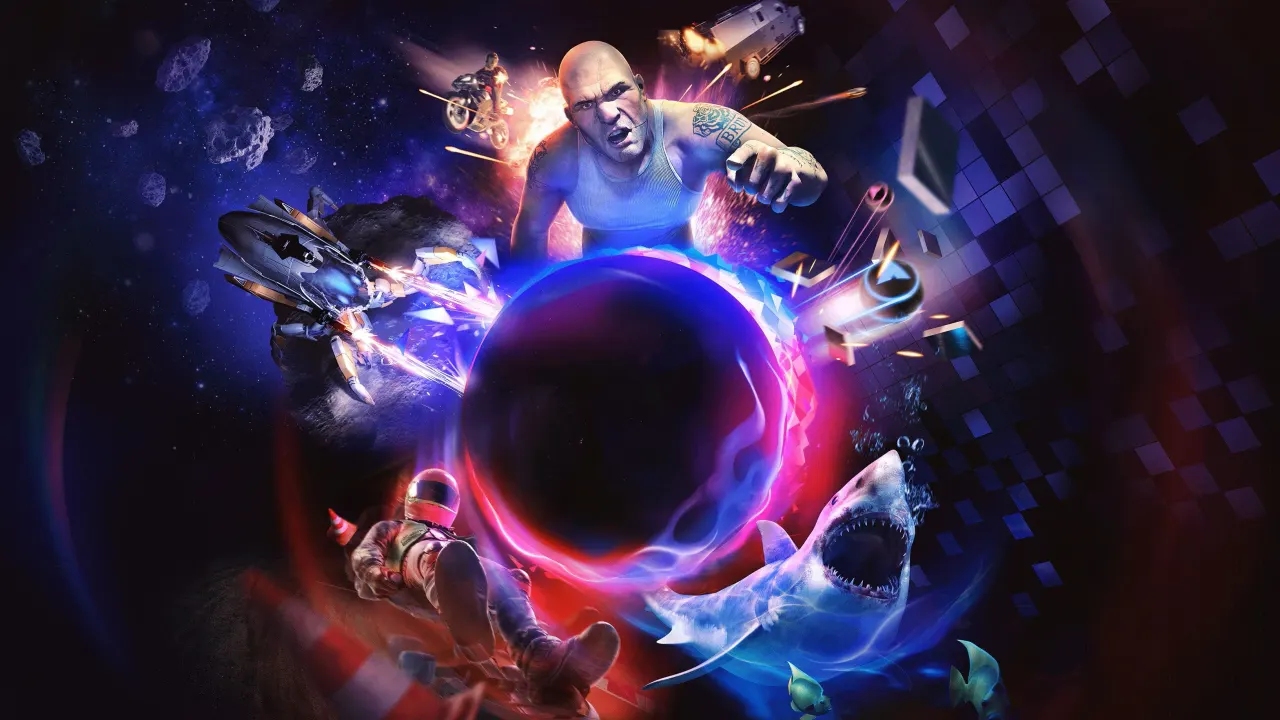
PlayStation VR launched on 13 October 2016, offering console owners a more accessible route into virtual reality than headsets that required a gaming PC. A decade later, a retrospective sees it as a sign of how quickly VR’s promise faded: what once looked like a mainstream turning point now appears to be a struggling corner of gaming.
The original headset gained momentum in 2018, when games including Tetris Effect, Moss and Astro Bot: Rescue Mission helped it reach three million sales by August. Its fortunes then weakened as newer technology and games such as the Quest 2 and Half-Life: Alyx drew attention elsewhere. Sony’s 2023 PSVR2 brought major technical improvements, but arrived after mainstream interest had waned, and the article says Sony soon appeared to withdraw support.
- PSVR made VR easier to access for PlayStation 4 owners.
- Strong games helped the headset reach three million sales by August 2018.
- Its successor struggled as mainstream interest in VR faded.
New here? Start with this
Virtual reality uses a headset to place players inside a digital world, often with controllers that track their movements. Before PlayStation VR, many headsets needed a powerful gaming PC, which made them costly and complicated to set up. Sony’s 2016 headset worked with the PlayStation 4, giving console owners a simpler way to try VR.
Games such as Tetris Effect, Moss and Astro Bot: Rescue Mission showed how familiar genres could be adapted for a headset. Later, standalone headsets such as Meta’s Quest 2 and PC games such as Half-Life: Alyx brought new competition and attention to VR. Sony released a more advanced headset for the PlayStation 5 in 2023, as questions grew about how many players wanted to keep investing in VR.
Both sides, in good faith
The strongest fair case each way — we don't pick a winner.
The case for
PlayStation VR made virtual reality more accessible by bringing it to console owners without requiring a gaming PC, and its early sales and acclaimed games showed that it could offer distinctive experiences to a wider audience. From this perspective, its legacy is a meaningful step towards mainstream VR, even if the market and technology were not yet mature enough to sustain that momentum.
The case against
The headset’s early promise did not translate into lasting mainstream demand: interest shifted to newer hardware and games, while Sony’s more capable PSVR2 arrived after enthusiasm had faded and received limited apparent support. From this perspective, the story shows that accessibility and technical advances alone cannot make VR a lasting part of gaming if its audience, software and ongoing investment remain limited.