Politics news and discussion on TalkFuse.
100 days until midterms and Democrats are winning because they actually have a message
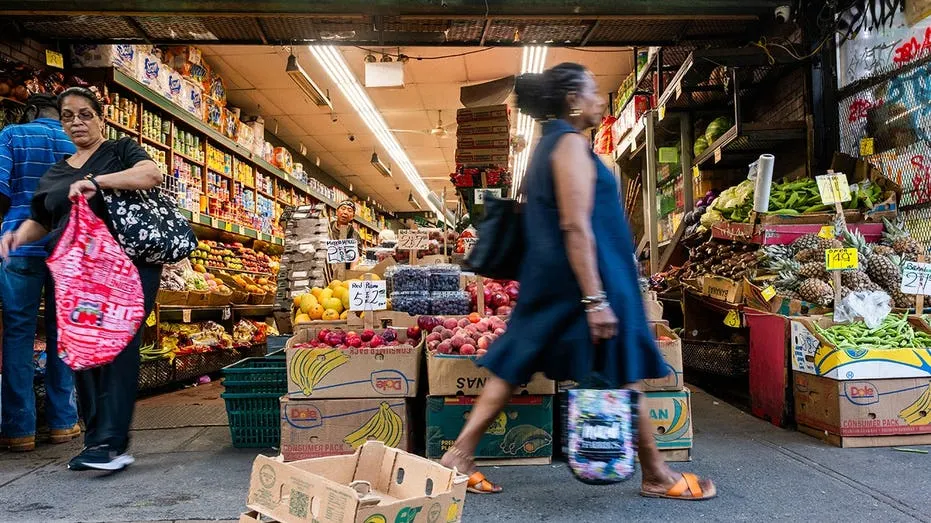
With 100 days until the US midterm elections, the opinion article argues that Democrats have gained an advantage by centring their campaign message on affordability, while Republicans have not settled on an equally clear narrative. It says this matters because voters may respond more strongly to a simple story about everyday costs than to a wider set of separate policy proposals.
The article points to rising grocery and other household costs as the backdrop for Democrats’ approach, citing data that more Americans are using credit cards and other methods to pay for food. It maintains that Republicans have issues that could appeal to voters, but argues their challenge is to present them as a coherent message rather than disconnected policies.
In short
- Democrats are focusing their midterm message on affordability.
- The article says Republicans lack a clear campaign narrative.
- Rising food costs are presented as key voter context.
Steelman: both sides, in good faith
The strongest fair case each way — we don't pick a winner.
The case for
A unified message centring on affordability directly addresses voters' everyday financial anxieties about grocery prices and rising debt. Voters respond more effectively to a single, coherent narrative that frames their struggles than to a collection of separate policy proposals, giving Democrats a messaging advantage—particularly when Republicans have not articulated an equally clear counter-narrative that consolidates their own economic arguments into a comparable force.
The case against
Republicans also campaign on economic issues and can argue their policies better serve affordability and growth; the assertion that they lack a coherent message may itself reflect partisan framing. More fundamentally, electoral outcomes turn primarily on voters' lived experience of economic conditions rather than message clarity—if costs remain elevated, no message can fully overcome voter frustration with the incumbent administration, nor can superior messaging guarantee success independently of economic reality.
Explained simply
US midterm elections take place halfway through a president’s four-year term. Voters choose all members of the House of Representatives and some senators, and the results can affect which party controls Congress and how easily the president can pass laws.
The Democratic and Republican parties are competing to persuade voters that they can address concerns such as the cost of food and other household expenses. Campaigns often use a central message to connect their policies with voters’ everyday experiences.
The outcome matters because control of Congress shapes lawmaking and oversight of the president. Economic pressures can also influence how voters judge the party in power and the alternatives offered by its rivals.