Video games news, releases, esports and culture — all the biggest gaming stories in one place.
15 years before Dishonored, Thief devs considered letting Garrett shrink himself rat-sized so he could scurry through drains and mouse holes
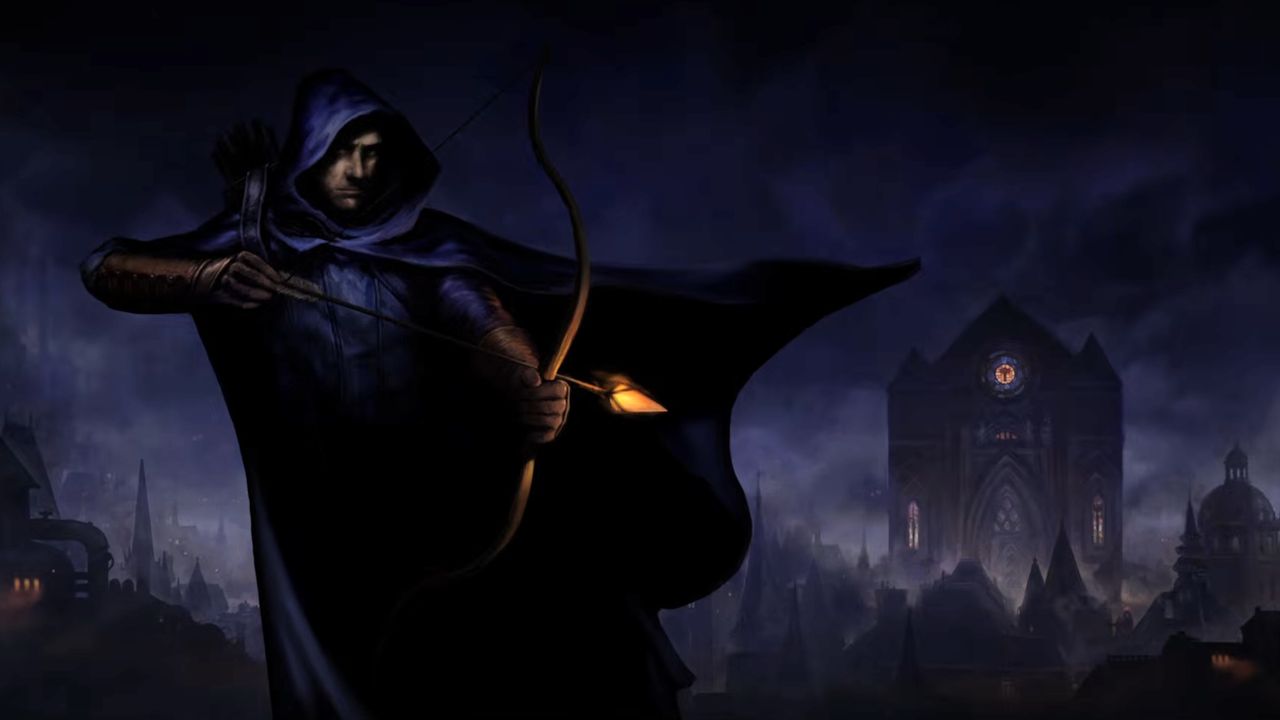
A newly surfaced detail from the development history of the Thief stealth series reveals that, around 15 years before Arkane's Dishonored was released, the original Thief's developers explored giving protagonist Garrett a rat-sized shrinking ability. The idea would have let the master thief scurry through drains, mouse holes and other tiny gaps to evade guards and reach hidden areas, offering a fresh angle on the stealth-and-infiltration gameplay the series was known for.
The concept links two influential stealth titles: Looking Glass Studios' Thief, which helped define the immersive-sim genre in the late 1990s, and Arkane's Dishonored, released in 2012, which similarly toyed with rat-related supernatural powers such as possessing and swarming as rats. The report highlights how the shrinking mechanic was ultimately not implemented in Thief, but shows the creative overlap and shared design lineage between the two games' approaches to unconventional, size- and creature-based traversal.
In short
- Thief devs once considered a rat-sized shrinking ability for Garrett.
- Idea predates Dishonored's own rat-themed powers by 15 years.
- The mechanic was ultimately never implemented in Thief.
Explained simply
Thief is a video game series created by Looking Glass Studios in the late 1990s that helped establish a particular style of gameplay. The game casts players as a master thief named Garrett who completes missions through stealth, sneaking and using special abilities to evade guards.
Dishonored, released in 2012 by Arkane Studios, follows a similar stealth-focused approach but incorporates supernatural powers. Among its distinctive features is the ability to possess rats, transform into them or summon them in swarms, allowing players creative ways to navigate and avoid enemies.
Both games exemplify a particular design philosophy in stealth games: giving players creative and unconventional ways to navigate levels and complete objectives. This shared approach to game design is useful context for understanding why different studios might explore similar mechanical ideas.