World news and discussion on TalkFuse.
1,800-year-old Roman toddler’s grave found frozen in time — and it still had toys inside
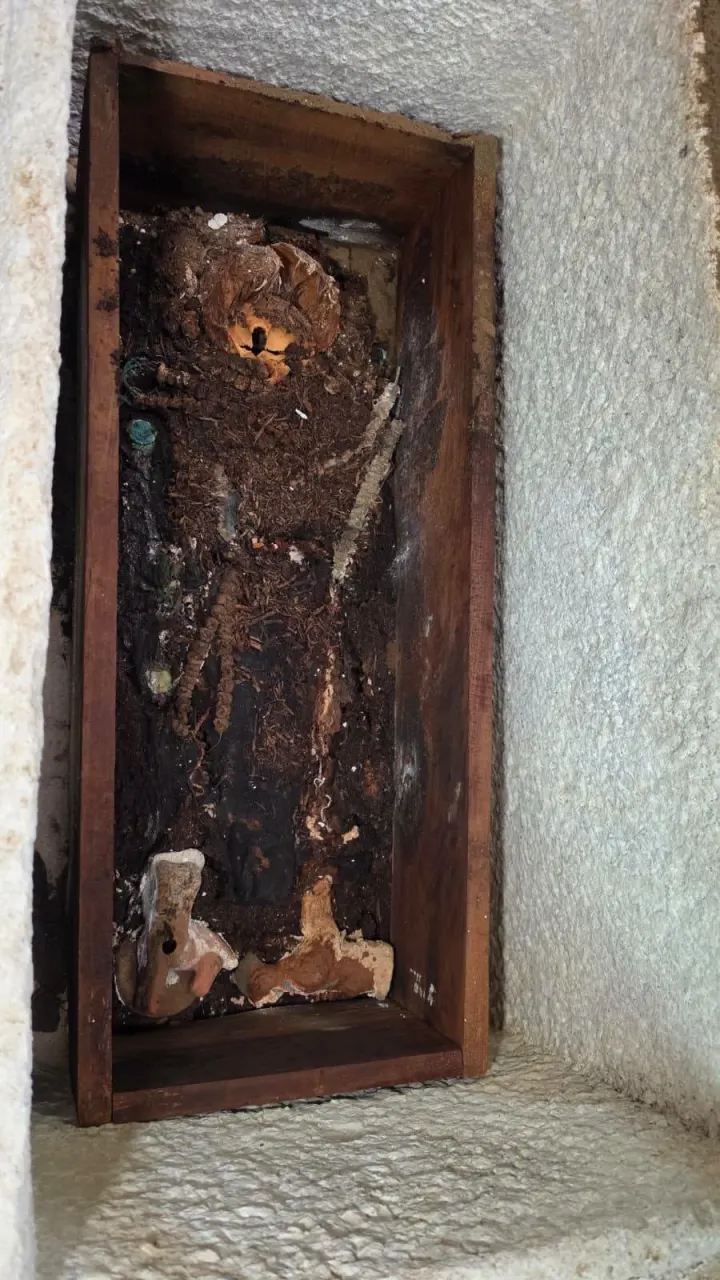
Archaeologists in Constanța, Romania, opened an intact Roman sarcophagus containing the remains of a toddler and a carefully prepared burial. The unusually well-preserved grave offers a rare glimpse of childhood and funerary practices in ancient Tomis.
The burial dates to the second or third century AD, and the child was estimated to have been between one and three years old. Alongside the 63-centimetre skeleton, wrapped in textiles, were painted clay toys, flower garlands, bronze bracelets and protective amulets; officials say the child’s identity and cause of death are unknown.
In short
- An intact Roman child’s grave was found in Constanța.
- The toddler was buried with toys, flowers and amulets.
- The sealed sarcophagus preserved fragile materials for study.
Explained simply
Tomis was an ancient port city on the Black Sea, on the site of today’s Constanța in south-eastern Romania. It was part of the Roman world during the second and third centuries AD, when Roman customs and local traditions shaped life and burial.
Families in Roman times buried children with objects that reflected care, status or beliefs about protection and the afterlife. Toys, jewellery, flowers and amulets can help archaeologists understand those practices, though they cannot establish who a child was or how they died.
Intact burials are uncommon, and textiles and other fragile materials rarely survive for so long. Their preservation can offer evidence about how the child was dressed and laid to rest, as well as the objects placed with them.