2 Driverless Cars Crashed Going 155 mph. That Could Be a Good Thing
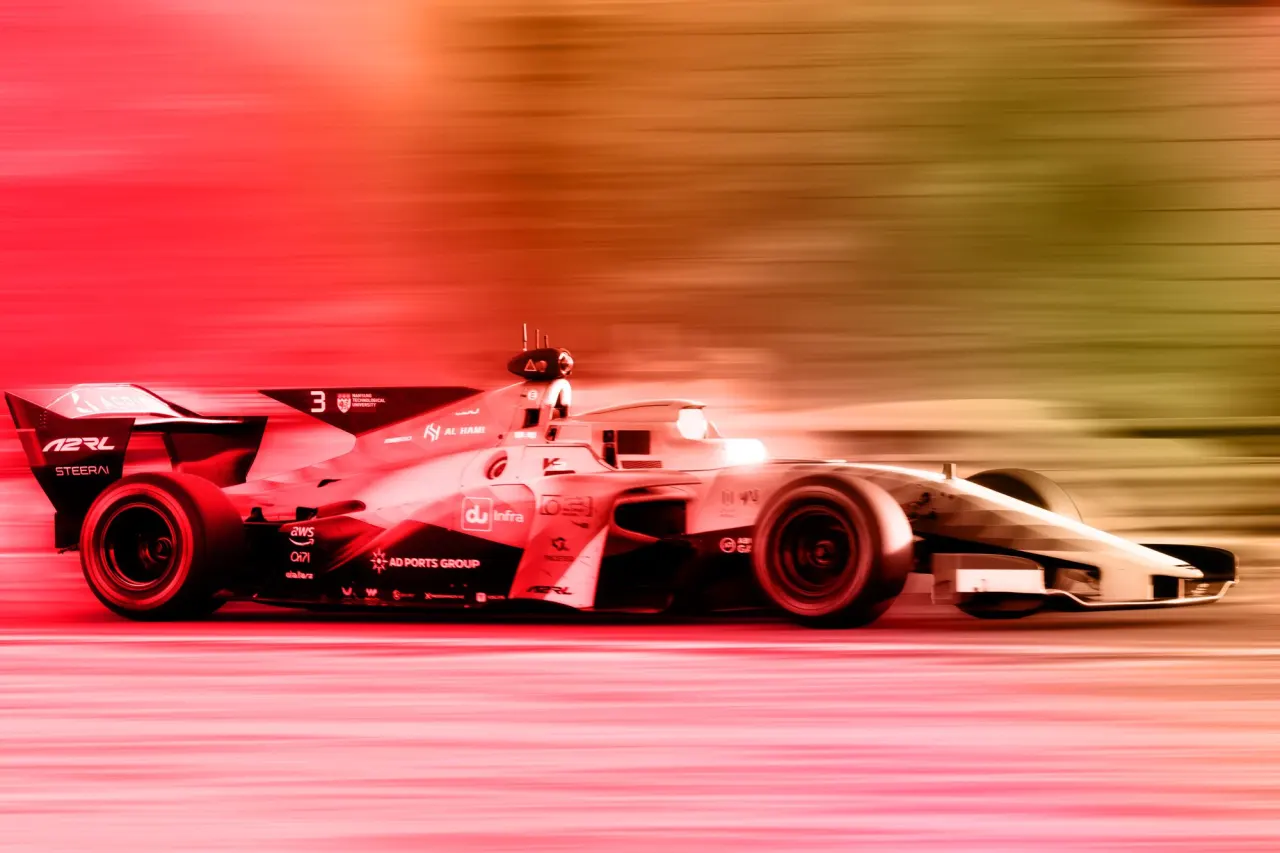
Two autonomous racing cars collided at Italy's Imola circuit during the Autonomous Racing League's final, a controlled testing environment designed to push self-driving technology to its limits. The incident revealed critical gaps in how autonomous vehicles perceive, predict, and respond to emergencies at extreme speeds—insights that directly inform improvements in real-world driverless car safety without risking human lives.
Of five competitors, only two completed the race. Unimore's Gianna lost all lidar and radar sensor data and initiated an emergency stop; PoliMove's Eva, travelling behind, detected the braking but could not avoid collision within a 1.5-second reaction window despite attempting evasive manoeuvres. The teams had just nine days of physical testing before the race at this notoriously difficult track, encountering rain and hail—their first international competition away from their usual testing base in Abu Dhabi.
- Autonomous racing serves as controlled laboratory for testing self-driving vehicle safety at extreme speeds
- Collision exposed sensor limitations and reaction-time gaps that affect real-world autonomous vehicle development
- Race revealed critical gaps in perception, prediction, and emergency response that designers must address