20 Years of MacBook: How Apple shaped the laptops we use today
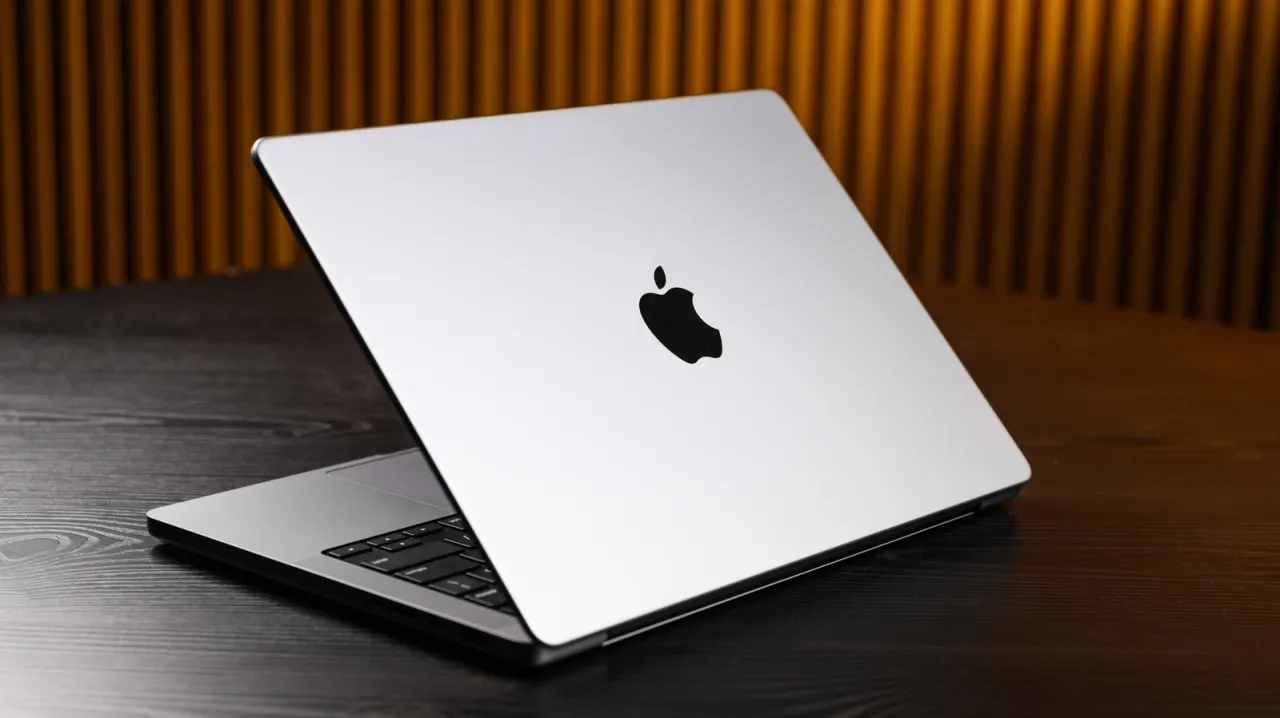
Apple’s PowerBooks, iBooks and MacBooks helped turn laptops into sleek, portable devices aimed at a broad market. Since the MacBook Pro arrived in 2006, Apple’s designs have influenced rival manufacturers, especially through thinner cases, premium materials and ultraportable shapes.
The article traces that influence from the 16-pound Macintosh Portable in 1989 to the PowerBook, colourful iBook and Intel-based Macs of 2006. Apple’s 2008 unibody aluminium cases helped set a new design standard, while the wedge-shaped MacBook Air redesign of 2010 inspired competing ultraportables. The article also notes Apple’s missteps, including an initially slow MacBook Air and the removal of ports from later MacBook Pros.
In short
- MacBooks have shaped laptop design for two decades.
- Unibody aluminium cases influenced rival manufacturers.
- The MacBook Air helped define ultraportable laptops.
Steelman: both sides, in good faith
The strongest fair case each way — we don't pick a winner.
The case for
Apple’s laptop designs helped make portable computers lighter, more refined and appealing to a wider range of people. The PowerBook, unibody MacBook and MacBook Air introduced or popularised forms and materials that competitors adopted, helping set expectations for the laptops people use today.
The case against
Apple’s influence on laptops can be overstated: sleek cases and ultraportable designs also reflect wider advances in components and manufacturing, and other makers contributed to their development. Apple’s pursuit of thinness sometimes came at the expense of practicality, as the removal of ports from later MacBook Pros showed, so design influence is not the same as unqualified progress.
Explained simply
Apple has made portable computers since the late 1980s, when laptops were heavier and less common than they are today. Its PowerBook and iBook lines helped bring portable Macs to more people, with designs ranging from business machines to colourful home computers.
The MacBook Pro joined the range in 2006, followed by design changes such as aluminium cases and a thinner MacBook Air. Other laptop makers adopted some similar features, while Apple’s choices—such as removing ports from some models—also drew criticism. The story matters because Apple’s products helped shape what laptop makers and buyers came to expect from portable computers.