Entertainment news and discussion on TalkFuse.
23 Years Before Nolan’s ‘The Odyssey,’ This Oscar-Winning Film Already Modernized the Ancient Epic
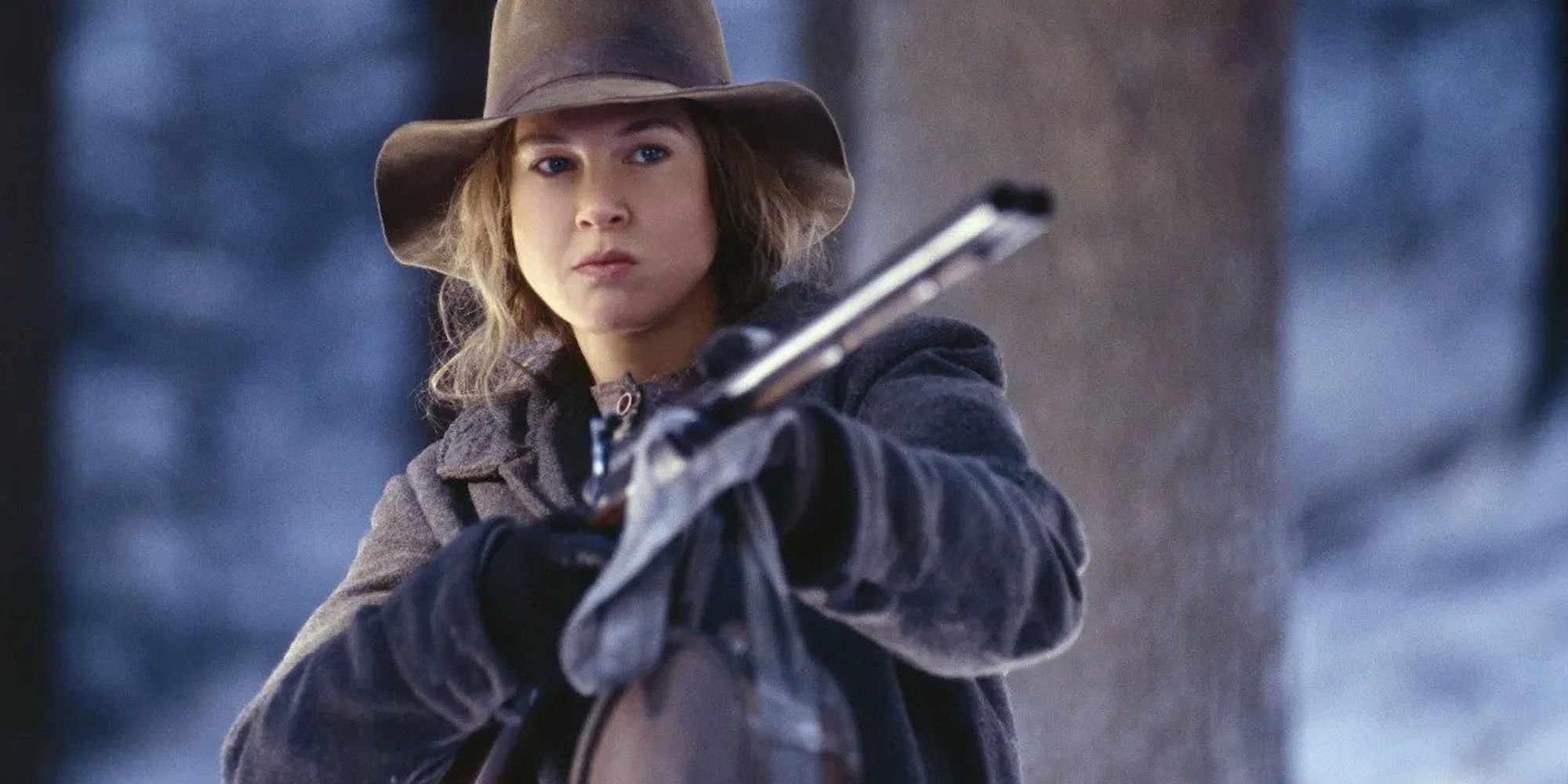
The article argues that long before Christopher Nolan's upcoming adaptation of "The Odyssey," 2003's Oscar-winning "Cold Mountain" had already reimagined Homer's ancient epic in a new setting. Directed by Anthony Minghella and based on Charles Frazier's 1997 novel, the film transposes the story of Odysseus onto the American Civil War, predating the Coen brothers' "O Brother, Where Art Thou?" as an example often cited when discussing modern retellings of the Greek classic. The piece highlights how deeply embedded the parallels are, suggesting the connection deserves wider recognition as anticipation builds for Nolan's take on the same source material.
The "hard R" film follows Confederate deserter W.P. Inman, played by Jude Law, as he journeys home to his love Ada Monroe (Nicole Kidman) in Cold Mountain, North Carolina, echoing Odysseus's long voyage back to Penelope. Along the way, Inman and a disgraced reverend (Philip Seymour Hoffman) encounter figures mirroring the sirens, a Cyclops-like Confederate Home Guard, a Circe-esque widow (Natalie Portman), and other classical archetypes, while Ada is aided by Ruby Thewes (Renée Zellweger, who won Best Supporting Actress) in a role paralleling Odysseus's loyal ally Eumaeus. The article notes the adaptation is not a strict one-to-one retelling but draws clear thematic and structural inspiration from Homer's epic.
In short
- "Cold Mountain" (2003) reimagined "The Odyssey" as a Civil War tale.
- Jude Law's Inman mirrors Odysseus; Kidman's Ada mirrors Penelope.
- Predates other Odyssey-inspired films ahead of Nolan's new adaptation.
Steelman: both sides, in good faith
The strongest fair case each way — we don't pick a winner.
The case for
Cold Mountain demonstrates substantial structural and thematic parallels to The Odyssey—a protagonist undertaking an arduous homeward journey to his beloved, encountering figures that mirror classical archetypes including sirens, a Cyclops-like antagonist, and a Circe figure, whilst a devoted companion aids the female lead. These resemblances appear deliberately woven throughout the narrative and warrant recognition as a modernisation of Homer's epic, enriching our understanding of how classical literature continues to structure contemporary storytelling.
The case against
Cold Mountain remains fundamentally Charles Frazier's Civil War novel adapted to film, not a reimagining of Homer. Whilst any journey narrative contains archetypal elements found across The Odyssey and countless other stories, loose resemblance to universal motifs does not constitute deliberate artistic adaptation. The film's artistic power derives from its specific historical setting and exploration of Civil War trauma, not from Homeric parallels, and conflating archetypal coincidence with intentional modernisation mischaracterises the work.
Explained simply
Homer's "The Odyssey" is an ancient Greek epic poem about a warrior's long journey home after war, during which he faces various mythological obstacles. The tale has proved endlessly adaptable, with storytellers across centuries finding ways to retell it in different settings and time periods.
The 2003 film "Cold Mountain," directed by Anthony Minghella and based on Charles Frazier's novel, sets this ancient narrative during the American Civil War, following a Confederate deserter named Inman as he travels home to reunite with his love, Ada. The film mirrors classical elements from Homer's epic, with his journey encountering figures and situations echoing mythological beings like sirens and a Cyclops-like adversary.
As filmmaker Christopher Nolan prepares his own "Odyssey" adaptation, earlier modern retellings like "Cold Mountain" are receiving fresh attention. This illustrates how the ancient story remains a compelling template for exploring human perseverance and longing across different historical periods.