25 years after 9/11, New York fire chief who risked his life that day warns of the terrorism dangers of Britain’s ‘idiotic’ migrant open-door policy
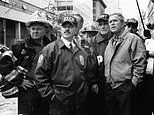
Thomas von Essen, New York City's fire commissioner during the 9/11 attacks, has marked the 25th anniversary by recalling the horrors of that day and warning that Britain's current border and migration policies risk creating conditions similar to those that enabled the 2001 terror attacks. Von Essen, now 80, told the Daily Mail that governments must not forget the lessons of 9/11 and criticised what he called the UK's "idiotic" open-door approach to migration, arguing it poses a terrorism risk. His comments carry weight given his direct experience commanding the response to the deadliest terror attack in modern history.
Von Essen lost 343 firefighters under his command when the Twin Towers were struck and collapsed on 11 September 2001, an attack that killed almost 3,000 people in total. He described the confusion of the morning, from initially believing a small plane had hit the North Tower to the realisation, after the South Tower was struck at 9:03am, that America was under coordinated attack. He recounted witnessing one of an estimated 200 to 300 people who jumped from the towers rather than face the flames, and credited the bravery of the FDNY with helping an estimated 15,000 to 18,000 people escape, while reflecting with lasting regret on the initial decision to keep South Tower occupants in place following 1993 bombing protocols.
In short
- Ex-NYC fire chief recalls 9/11 horrors 25 years on
- Lost 343 firefighters; witnessed people jumping from towers
- Warns UK's migration policy risks enabling similar terrorism
Steelman: both sides, in good faith
The strongest fair case each way — we don't pick a winner.
The case for
Those who share von Essen's concern argue that lessons from 9/11 showed how gaps in border screening and immigration oversight can be exploited by people wishing to do harm, and that a government's first duty is to protect its citizens. They contend that robust vetting, secure borders and the ability to track who enters a country are not about hostility to migrants but about basic risk management, and that policymakers who dismiss such warnings from experienced security professionals risk repeating avoidable mistakes. For them, taking a cautious, security-first approach to migration is a reasonable and prudent response to a real, if statistically rare, threat.
The case against
Critics of this framing argue that conflating broad migration policy with terrorism risk unfairly stigmatises the overwhelming majority of migrants and asylum seekers, who are fleeing danger themselves rather than posing any threat. They point out that terrorist attacks, including 9/11, have been carried out by people who entered countries through many different routes, including legally, so tightening general immigration policy is a blunt instrument that may not address the specific intelligence and security failures actually responsible for such attacks. They also emphasise Britain's obligations under international refugee law and the values of compassion and due process, arguing that sound counter-terrorism policy should rely on targeted intelligence work rather than broad-brush restrictions on migration.
Explained simply
Thomas von Essen was New York City's fire commissioner on 11 September 2001, when hijacked planes were flown into the World Trade Center's Twin Towers, killing almost 3,000 people. He was in charge of the Fire Department of New York during the response, in which 343 firefighters under his command died. Now 80, he has spoken to mark the attacks' 25th anniversary, drawing on his first-hand experience of that day.
The 9/11 attacks were carried out by hijackers linked to the al-Qaeda terrorist network and remain the deadliest terror attack in modern history. They led to major changes in security, policing and immigration policy across Western countries, as governments sought to prevent similar plots. The anniversary is often used by former officials and commentators to reflect on whether those lessons have been retained.
Migration policy in Britain has become a prominent and contested political issue in recent years, with debate centred on how the UK manages asylum claims, border controls and the arrival of migrants, including by small boat. Critics and supporters disagree over the security, economic and humanitarian implications of current arrangements, making the topic one that regularly draws comment from figures both within and outside the UK.
Art Culture Entertainment Government Horror Politics UK World