26 Years Later, Anime’s Most Influential Vampire Movie Deserves Another Shot
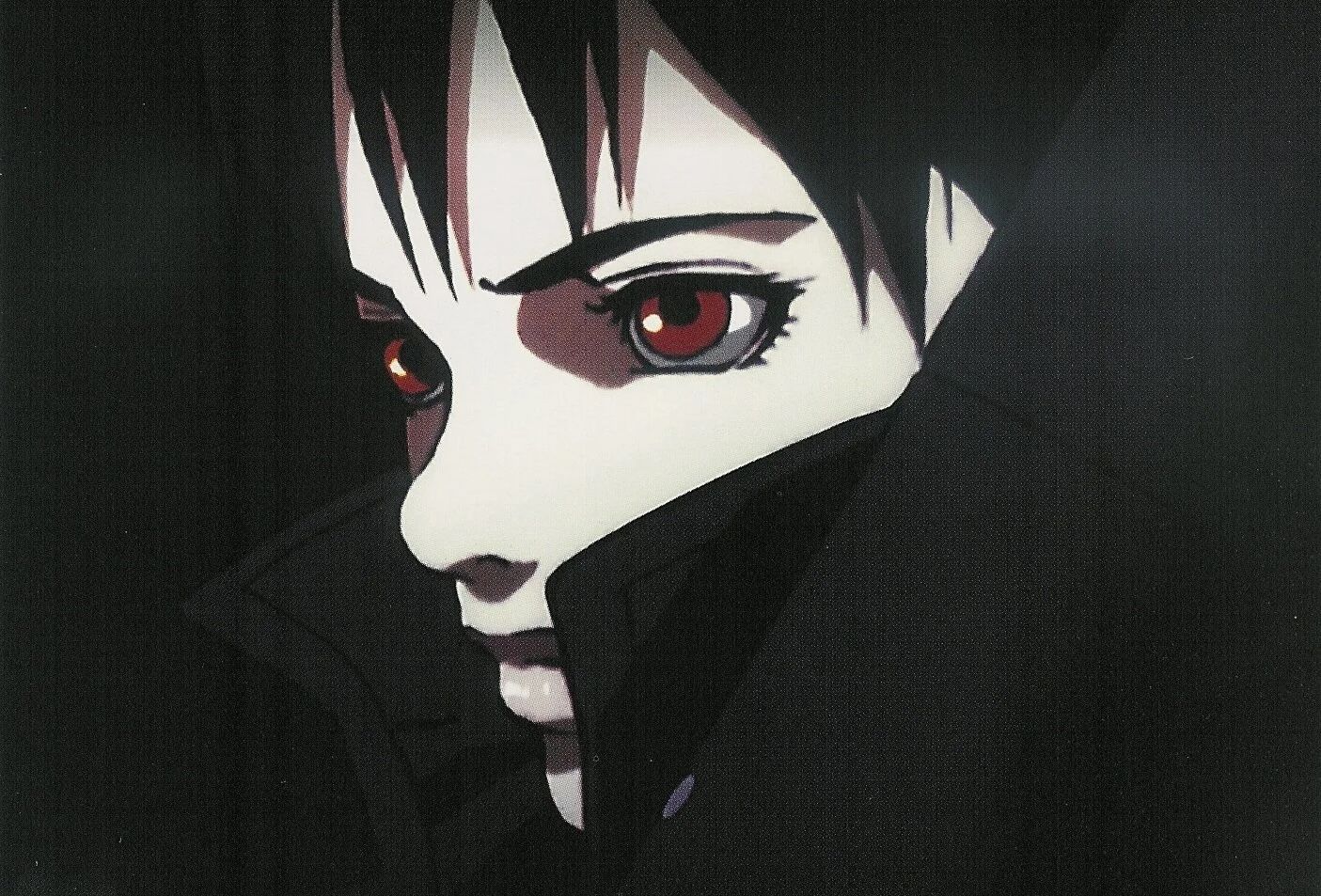
Polygon revisits Blood: The Last Vampire, a 2000 anime film that helped reshape how vampires are portrayed in animation and influenced a generation of action anime. Though frequently overlooked compared with better-known titles such as Vampire Hunter D and Hellsing Ultimate, the film brought together key creative figures from Production I.G.'s most celebrated era, including Ghost in the Shell's Mamoru Oshii, director Hiroyuki Kitakubo and writer Kenji Kamiyama, and is credited with pioneering the "girls with guns" archetype later seen in shows like Noir and Gunslinger Girl.
Set on a US military base on the eve of the Vietnam War, the 48-minute film abandons traditional gothic vampire imagery in favour of tense, precise violence and stark lighting, following Saya, a centuries-old vampire posing as a schoolgirl while working for a secretive American agency to hunt "Chiropterans" — bat-like creatures that can pass as human. Voiced by Youki Kudoh, Saya is depicted as a ruthless but fallible predator driven by instinct rather than heroism, a portrayal the article argues felt strikingly fresh in 2000 and remains tense and effective today.
- Blood: The Last Vampire (2000) shaped anime's vampire and "girls with guns" genres.
- Made by Ghost in the Shell talents Oshii, Kitakubo and Kamiyama.
- Follows Saya, a vampire hunting bat-like creatures on a US military base.
New here? Start with this
Blood: The Last Vampire is a short anime film released in 2000, running less than an hour, that told a stripped-down vampire story with none of the usual gothic trappings. It was made by Production I.G, the studio behind Ghost in the Shell, and drew on several of the same creative team, including director Mamoru Oshii's collaborators Hiroyuki Kitakubo and Kenji Kamiyama. The film centres on Saya, a vampire who looks like a schoolgirl but works for a shadowy American organisation hunting creatures called Chiropterans on a US military base just before the Vietnam War.
Despite its brief runtime, the film is widely seen by anime fans and critics as a turning point for how vampires and action heroines were portrayed on screen, favouring cold, realistic violence over romance or horror cliché. It is often credited with laying the groundwork for the "girls with guns" style later picked up by anime such as Noir and Gunslinger Girl, even though it is less well known today than contemporaries like Vampire Hunter D or Hellsing Ultimate.
The renewed attention comes from a retrospective piece marking the film's legacy roughly 26 years on, making the case that it remains an overlooked but important entry in anime history worth rediscovering.