28 Years Ago, ‘Buffy’s Darkest Villain Got a Perfect Introduction
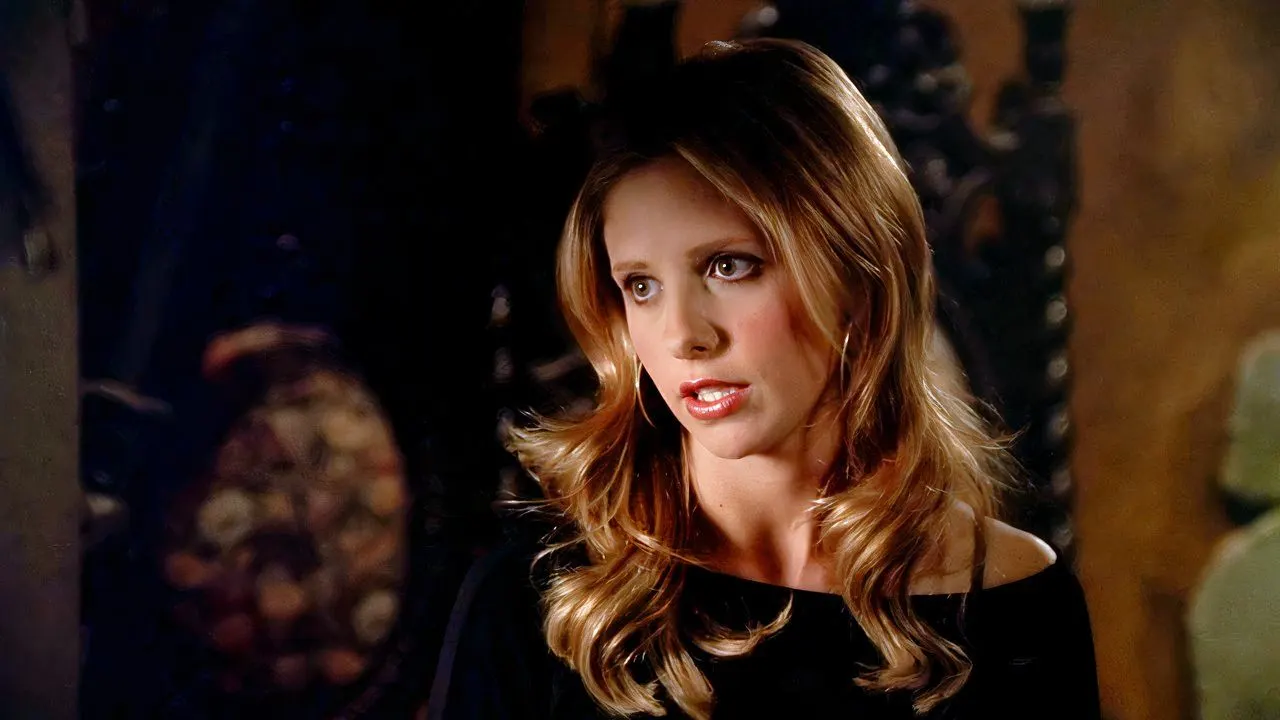
Faith Lehane’s first appearance in *Buffy the Vampire Slayer* introduced a Slayer whose approach sharply contrasts with Buffy’s sense of duty. The episode, “Faith, Hope & Trick”, first aired in 1998 and set up a darker conflict by showing Faith’s unpredictability and appetite for the fight.
At the Bronze, Faith kills a vampire before Buffy can intervene, then joins the group as a newly arrived Slayer. On patrol, she focuses on attacking one vampire while Buffy is overwhelmed by others, hinting at her lack of teamwork. Faith later avenges her former Watcher by killing Kakistos, but his henchman Mr Trick escapes; the episode also begins to establish Faith as Buffy’s shadow and a force in the season’s growing conflict.
- Faith’s 1998 debut set her up as Buffy’s darker foil.
- She relished the fight and often ignored teamwork.
- Her choices foreshadowed a major season three conflict.
New here? Start with this
Buffy the Vampire Slayer follows Buffy Summers, a teenager chosen to fight vampires and other supernatural threats in the town of Sunnydale. She is supported by friends and a Watcher, an adviser appointed to train and guide Slayers.
Faith Lehane is another Slayer, called to the role after the previous Slayer died. She arrives in Sunnydale carrying the loss of her former Watcher and has a more impulsive approach to fighting than Buffy.
Their contrasting ideas about how to use their power shape their relationship and the series’ wider story. Faith’s choices raise questions about responsibility, teamwork and what happens when a Slayer acts without the same rules Buffy follows.