Entertainment news and discussion on TalkFuse.
29 Years Ago, ‘Buffy’ Introduced Its Best Villain. He Was Never Meant to Last.
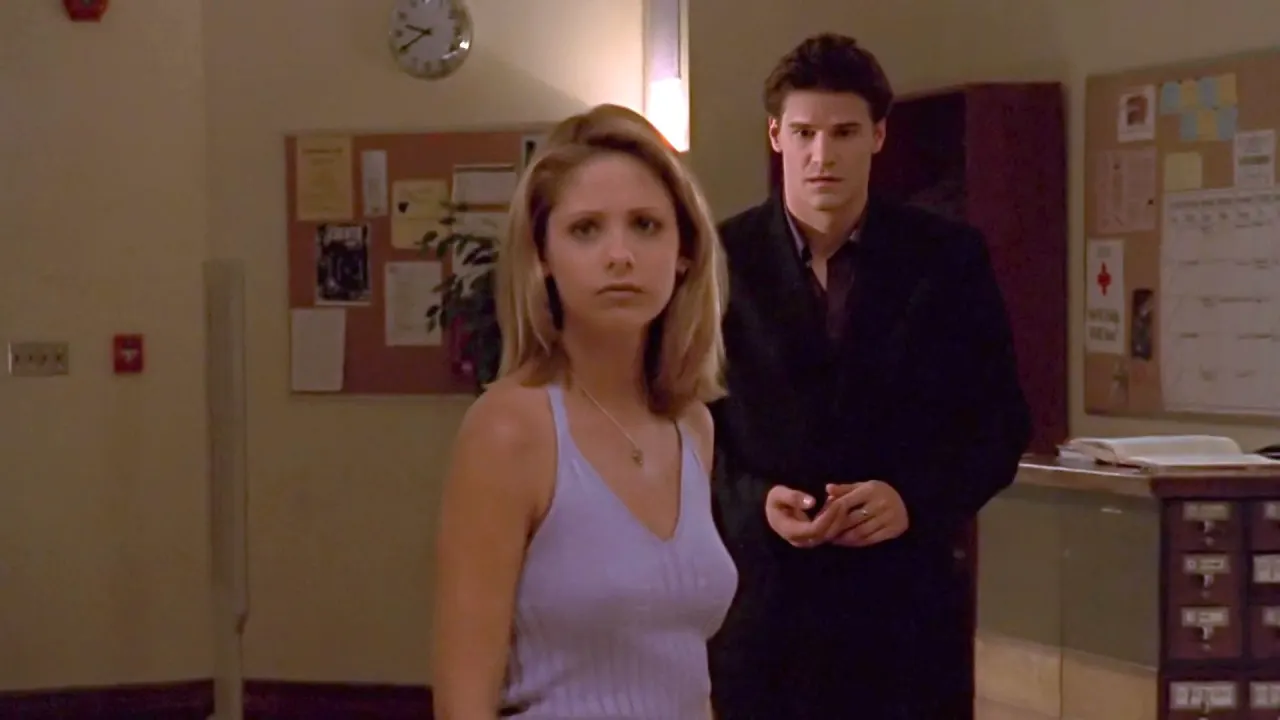
“School Hard”, which introduced Spike, aired in the second season of *Buffy the Vampire Slayer* 29 years ago. The episode puts Buffy under pressure as she tries to stop a vampire attack during parent-teacher night while hiding her Slayer identity from her mother. Its siege-style plot and Spike’s memorable entrance helped mark a turning point in the show’s early run.
Spike, played by James Marsters, arrives with his girlfriend Drusilla and boasts that he has already killed two Slayers. Though he was originally meant to die later that season, audience enthusiasm helped keep him in the series, where he became a complicated villain and eventual reluctant ally. The episode also gives Joyce a more active role: she defends Buffy to Principal Snyder and strikes Spike as he threatens her daughter.
In short
- “School Hard” introduced Spike and became a turning point for the series.
- Spike was originally planned to die later in season two.
- Joyce steps in to defend Buffy during the school siege.
Explained simply
"Buffy the Vampire Slayer" was a television series that ran from 1997 to 2003, following a teenage girl chosen to fight vampires and demons whilst balancing her supernatural responsibilities with high school life. A retrospective article marks the twenty-nine-year anniversary of "School Hard", an episode from the show's second season that introduced the character Spike. The episode centres on Buffy attempting to thwart a vampire attack whilst keeping her identity secret from her mother and school.
Spike, a vampire played by James Marsters, was introduced in this episode as a boastful antagonist claiming to have already killed two Slayers. Though the character was originally planned to die within the same season, audience enthusiasm persuaded the show's creators to keep him alive and develop him further. He eventually became one of the series' most important figures, transforming from a straightforward villain into a complex and conflicted character.
The retrospective marks an anniversary and examines how Spike's character came to have such importance despite being designed as temporary. It serves as an example of how audience response can influence the creative direction of television programmes.