Culture news and discussion on TalkFuse.
3 Best Smart Ring Models: Oura, RingConn, and Samsung (2026)
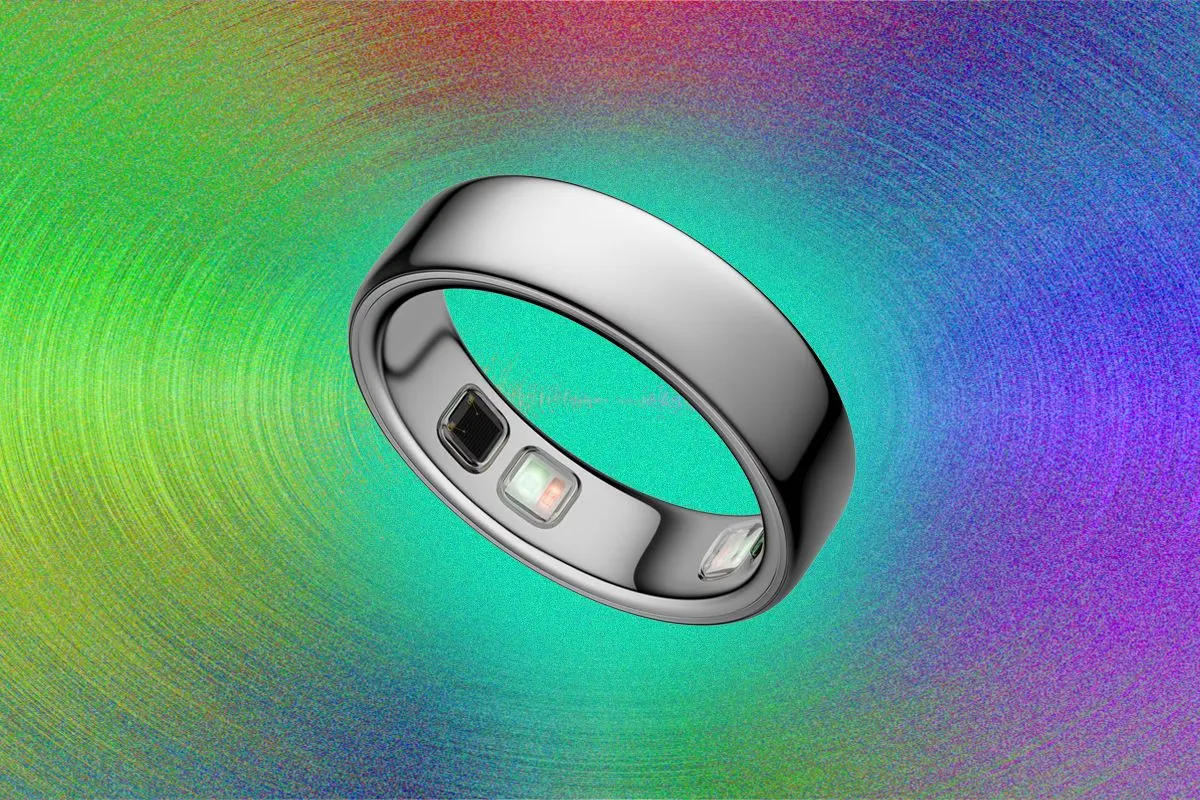
Smart rings have transitioned from premium wellness gadgets into more accessible consumer products, offering activity and health monitoring without the screen distractions and charging demands of traditional smartwatches. Three models represent the current landscape: Oura's Ring 4 at the premium tier, the subscription-free RingConn Gen 2 Air at a mid-range price, and Samsung's Galaxy Ring targeting the company's device ecosystem. Prices now range from $199 to $400, reflecting broader market adoption.
Oura established the smart ring category and maintains its position as the market leader, with the Ring 4 delivering notable sensor accuracy for heart rate, body temperature, and blood oxygen tracking alongside emerging features like AI meal analysis. However, the competitive environment has shifted significantly as manufacturers including RingConn, Amazfit, Samsung, and Ultrahuman have entered the space, giving consumers multiple options. Despite this increased competition, Oura's track record in health tracking accuracy and research partnerships continues to differentiate it from newer entrants.
In short
- Smart rings now offer affordable fitness and health tracking in minimalist form, priced from $199–$400
- Oura Ring 4 remains the market leader despite new competition from RingConn, Samsung, and others
- The category has expanded beyond niche wellness devices to mainstream consumer products
Explained simply
Smart rings are small devices worn on the finger that track health metrics such as heart rate, body temperature, sleep patterns and activity levels. Unlike smartwatches, they have no screen and require less frequent charging, appealing to people who want health monitoring without constant distractions from notifications and alerts.
For years, interest in wearable health technology has grown as people seek better ways to understand their fitness and wellbeing. Smart rings offer an alternative to traditional smartwatches, providing similar health tracking data but in a less intrusive form factor that users wear continuously throughout the day.
The smart ring market was historically dominated by a single established manufacturer, but has recently become more competitive as several other technology companies have launched their own models. This expansion, combined with declining prices, suggests the technology is moving beyond a niche gadget into a product category with genuine mainstream appeal.