Entertainment news and discussion on TalkFuse.
3 Fantasy Movies That Are Unironically Better Than The Lord of the Rings
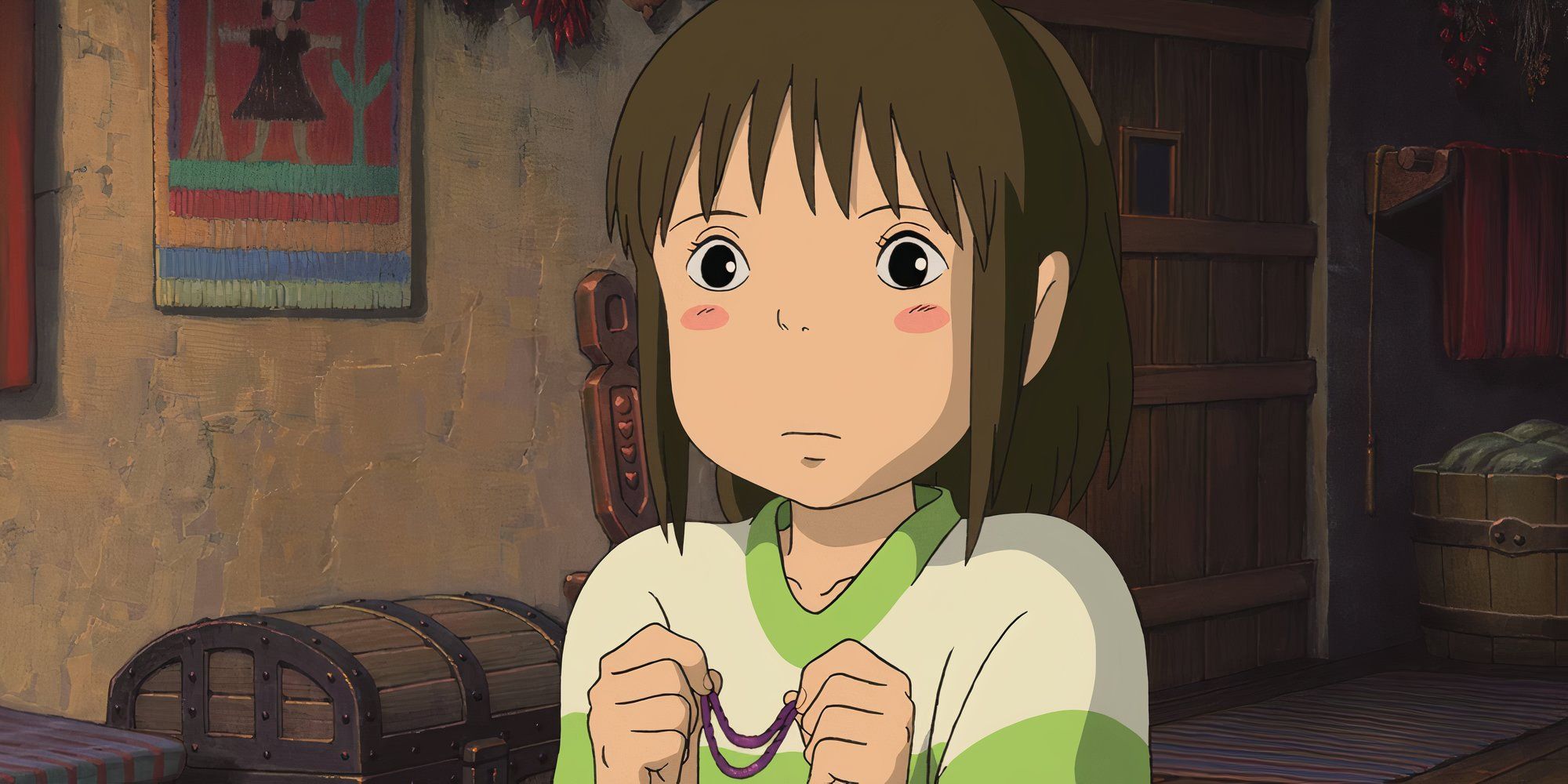
This Collider opinion piece argues that three fantasy films surpass The Lord of the Rings, challenging the widely held view of Peter Jackson's trilogy as the untouchable pinnacle of the genre. The author contends that films offering more morally complex characters, unconventional structures and grounded emotional stakes can outdo LOTR's traditional battle between clear-cut good and evil, making the case for reassessing what makes fantasy storytelling truly effective.
The article highlights Spirited Away (2001), praised for abandoning traditional villains in favour of personal, psychological conflict as Chihiro navigates an unpredictable spirit world. It also cites Pan's Labyrinth (2006), which embeds its fantasy elements within the brutal reality of post-Civil War Spain, with young Ofelia's defiance against her fascist stepfather driving a raw and tragic narrative. The piece states there are three films in total, though only these two are detailed in the excerpt provided.
– Spirited Away praised for ditching clear villains for personal, psychological storytelling. – Pan's Labyrinth blends fantasy with brutal historical reality for emotional impact. – Article argues these films beat LOTR through richer character arcs and endings.
Steelman: both sides, in good faith
The strongest fair case each way — we don't pick a winner.
The case for
The case for these films surpassing LOTR rests on rewarding artistic innovation and emotional depth over scope and worldbuilding scale. These works abandon the simplistic good-versus-evil binary to explore morally complex characters within richly detailed, often deeply personal narratives – Spirited Away's psychological journey and Pan's Labyrinth's haunting blend of fantasy and historical trauma create intimate emotional stakes that resonate more profoundly than LOTR's archetypal struggle. By prioritising character discovery and thematic sophistication over plot mechanics and spectacle, these films demonstrate that truly effective fantasy storytelling transcends the traditional mythological framework that, whilst culturally significant, ultimately constrains the genre's artistic potential.
The case against
LOTR's enduring excellence stems from its achievement in adapting dense source material whilst maintaining narrative coherence, thematic depth and cultural resonance across three films of unprecedented scale. The trilogy's clear moral framework is not a limitation but a deliberate artistic choice reflecting Tolkien's mythopoeic tradition – this clarity enables the exploration of sacrifice, fellowship and courage at epic scale, values intrinsic to the storytelling ambition itself. Whilst these alternative films excel in intimate character study and contextual specificity, comparing them as categorically superior overlooks how LOTR's technical innovation, worldbuilding scope and cultural impact represent a different but equally valid form of excellence; suggesting that moral ambiguity and small-scale narratives inherently surpass mythological clarity reflects personal aesthetic preference rather than objective critical judgment.
Explained simply
The Lord of the Rings trilogy, released in the early 2000s, is widely regarded as the gold standard for fantasy cinema. Peter Jackson's films set an extremely high bar that most fantasy filmmakers have measured themselves against ever since.
A new opinion piece from Collider challenges this consensus, arguing that three other fantasy films actually surpass The Lord of the Rings. The article contends that films with morally complex characters, unconventional storytelling, and grounded emotional weight can outperform LOTR's traditional battle between clear-cut good and evil.
The piece cites Spirited Away and Pan's Labyrinth as examples, saying these films achieve greater depth by abandoning traditional villainy and embedding fantasy within harsh historical realities. This offers an alternative vision of what fantasy cinema can be.