Entertainment news and discussion on TalkFuse.
3 Folk Songs From the 1960s That Were Too Strange To Become Protest Anthems
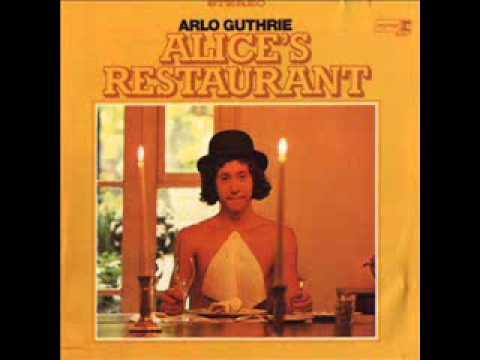
The article examines three folk songs from the 1960s that contained protest messages but failed to gain the iconic status of better-known anthems from the era. These compositions stood out for their unconventional and stylistically ambitious approaches to addressing social and political issues, which may have limited their broader cultural resonance and lasting influence.
The three works employ notably different creative strategies: Arlo Guthrie's extended talking blues narrative frames a mundane littering charge as an oblique commentary on Vietnam War draft policy; Bob Dylan's surreal dream-sequence depicts navigating a post-nuclear-war landscape consumed by paranoia and social distrust; and Pete Seeger's environmental piece anthropomorphizes highway construction as a destructive creature devouring natural resources and forests. Rather than direct political statements, each song relies on metaphor, narrative abstraction, and unusual structure to convey its critique.
In short
- Three unconventional 1960s protest songs never achieved mainstream anthem status despite artistic merit
- Songs used surreal or creative devices (extended monologue, dream narrative, metaphor) to critique Vietnam War draft, nuclear threat, and environmental destruction
Steelman: both sides, in good faith
The strongest fair case each way — we don't pick a winner.
The case for
Protest music's central purpose is mobilising public opinion and inspiring collective action, which arguably requires accessible, emotionally direct communication to reach broad audiences effectively. Songs relying heavily on surrealism, fragmented narrative, and dense metaphor may satisfy intellectually engaged listeners but could alienate those seeking clearer messages and immediate emotional resonance. The most culturally transformative protest anthems have typically combined moral conviction with straightforward delivery, allowing diverse audiences to grasp meaning quickly and feel united in common cause.
The case against
Artistic sophistication and unconventional approaches can enhance rather than diminish protest music's effectiveness by engaging listeners intellectually and creating works of greater endurance and nuance. These songs' relative obscurity may reflect commercial gatekeeping, radio programming decisions, and market forces rather than any fundamental limitation of unconventional style. Furthermore, these compositions did succeed in reaching discerning audiences who valued their substance, and such culturally sophisticated work often proves more influential over time as historical perspective and listener sophistication deepen.
Explained simply
The 1960s saw folk music become a powerful tool for protest and social change. Artists like Bob Dylan, Pete Seeger and Arlo Guthrie used their music to critique war, inequality and political corruption. Some of these songs, such as Dylan's "Blowin' in the Wind," became iconic anthems that defined the era and remain celebrated today.
Three notable folk songs from that period contained sharp political and social commentary but never achieved such iconic status. Rather than delivering straightforward protest messages, these works employed unusual approaches including metaphor, surreal imagery, narrative abstraction and unconventional structures. The result was music that was artistically ambitious but perhaps less immediately accessible to listeners seeking clear statements against the injustices of the day.
Understanding why some protest songs resonate widely whilst others remain lesser known offers insight into how art shapes and reflects social movements. These three compositions demonstrate the diverse creative strategies available to artists wishing to challenge the status quo through music.
Entertainment Music Offbeat Weird & Viral