Culture news and discussion on TalkFuse.
3 Futuristic Songs From the 80s That Proved Artists Were Visionaries
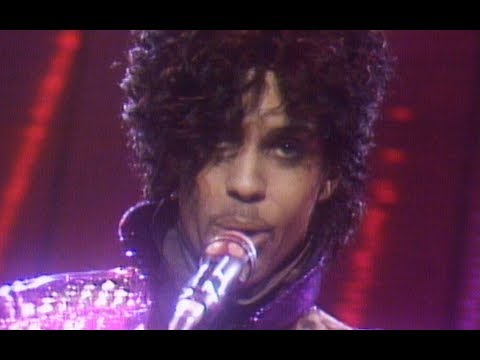
During the 1980s, three musical acts released tracks that proved remarkably prophetic about technological change. Prince's "1999" emerged from Cold War anxieties with apocalyptic themes, The Buggles' "Video Killed The Radio Star" directly addressed how emerging video technology threatened traditional broadcast media (notably becoming MTV's inaugural music video), and Kraftwerk's "Computer Love" explicitly explored how digital connection and isolation would reshape romance—foreshadowing the rise of online dating decades later.
These compositions demonstrated how certain artists possessed intuitive grasp of technological trajectories reshaping society. Rather than simply observing current trends, these songwriters understood deeper implications of computerisation and media transformation, articulating both optimism and concern about humanity's digital future. Their work captured a critical moment when established cultural structures were fundamentally giving way to new technological frameworks.
In short
- Three 1980s songs explored technological transformation with notable accuracy about media shifts and digital futures
- Prince, The Buggles, and Kraftwerk demonstrated intuitive understanding of how technology would reshape culture and human connection
- These works captured a transitional era when established frameworks were being replaced by emerging digital paradigms
Explained simply
In the 1980s, computers and music videos were becoming more visible in everyday life, while the Cold War between the United States and the Soviet Union kept fears of nuclear conflict in public view. Musicians responded to these changes in different ways, using songs to explore uncertainty about the future.
Prince’s “1999” drew on fears of global catastrophe; The Buggles’ “Video Killed the Radio Star” reflected the shift from radio towards music television; and Kraftwerk’s “Computer Love” imagined people seeking romance through computers. Their songs offer a snapshot of how artists considered technology’s effects on culture and relationships.
Art Culture Entertainment Music UK World