Entertainment news and discussion on TalkFuse.
3 Self-Titled Debut Albums That Shaped 1970s Rock Music
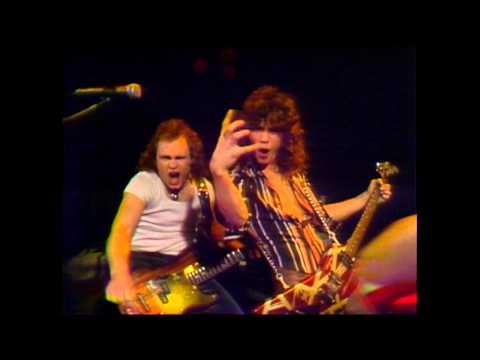
Three self-titled rock debuts from the 1970s became touchstones of the era. Van Halen's release showcased Eddie Van Halen's groundbreaking guitar techniques and the band's commitment to replicating studio recordings authentically in live performances. The Cars merged rock fundamentals with new wave elements whilst employing sardonic, self-conscious lyrics. Boston's debut album topped charts, built on memorable tracks produced through an unusual method—Tom Scholz recorded much of it secretly in his home studio, then combined those recordings with professional LA sessions to create a commercially dominant record.
Each album embodied different philosophical choices about rock production. Van Halen deliberately rejected studio over-production to maintain energy and accuracy on stage. The Cars acknowledged their evolution from straightforward rock toward more experimental artistry. Boston's Scholz engineered a covert recording strategy that ultimately deceived his record label about where the album was actually made, yet produced one of the era's best-selling debuts. Together, these records demonstrate how varied approaches to songwriting, recording, and performance shaped 1970s rock.
In short
- Three self-titled rock debuts from the 1970s—Van Halen, The Cars, and Boston—achieved lasting cultural and commercial significance through distinct creative approaches
- Van Halen prioritised live authenticity, The Cars blended rock with new wave irony, and Boston achieved chart success via unconventional home-and-studio hybrid recording
Explained simply
In the 1970s, rock bands were experimenting with how guitars, keyboards and studio recording could shape their sound. A self-titled debut is a band’s first album, named after the band, and it can introduce both its music and its approach to performing and recording.
Van Halen, The Cars and Boston each made a widely recognised debut in this period. Guitarist Eddie Van Halen became known for his distinctive playing; The Cars blended rock with the newer sounds of new wave; and Boston’s Tom Scholz recorded much of the band’s album in a home studio before combining it with work done in Los Angeles.
Their different methods reflect a broader question in rock: how closely should a record match the energy of a live performance, and how much should musicians shape their sound in the studio? These albums are often discussed as examples of the range of styles and recording choices that helped define 1970s rock.