3 Years After Being Shelved, ‘Coyote vs. Acme’ Officially Hits Theaters This Week
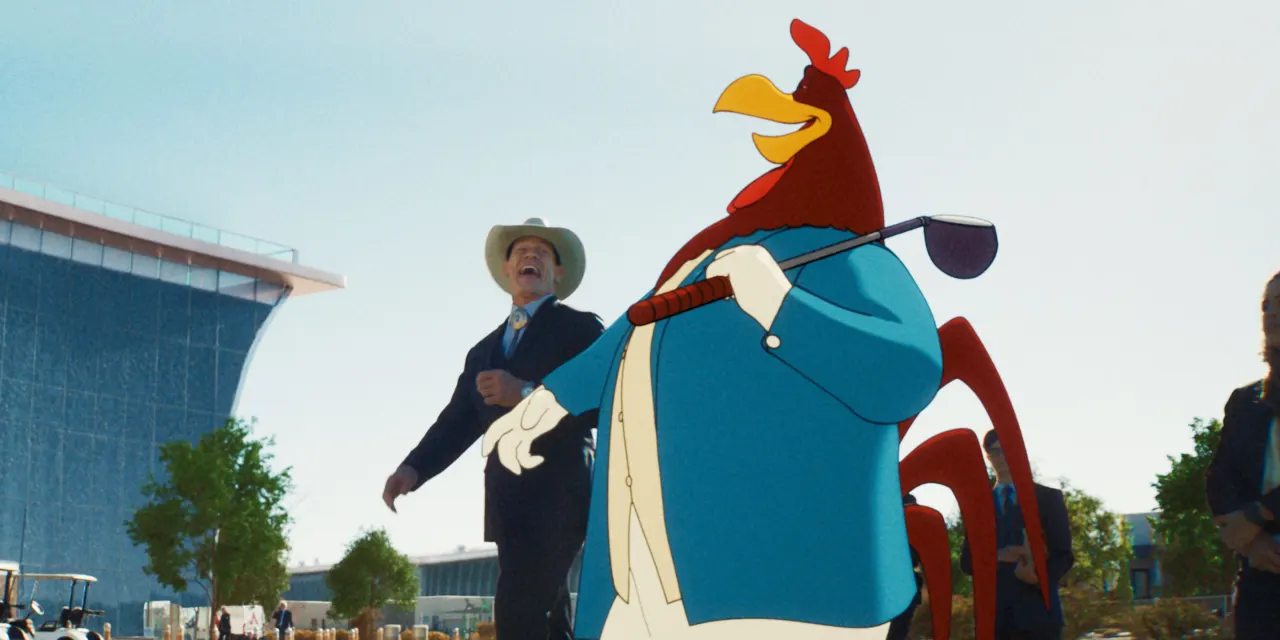
After being shelved by Warner Bros. three years ago as part of a tax write-off, the live-action/animation film ‘Coyote vs. Acme’ is finally due to reach cinemas this week. Its release is significant because the decision to abandon the film drew strong criticism from audiences and industry figures, becoming a prominent example of concerns over Warner Bros.’ treatment of completed films.
Warner Bros. had also shelved ‘Batgirl’ and ‘Scoob! Holiday Haunt’, neither of which has been released. Following public support, the studio reportedly allowed ‘Coyote vs. Acme’ to be offered to other distributors, but negotiations stalled over cost before Ketchup Entertainment acquired domestic distribution rights; the film was directed by Dave Green.
- ‘Coyote vs. Acme’ reaches cinemas after a three-year shelving.
- Warner Bros. had originally written the completed film off for tax purposes.
- Ketchup Entertainment acquired its domestic distribution rights.
New here? Start with this
Coyote vs. Acme is a film combining live action and animation, directed by Dave Green. Warner Bros. originally shelved it as part of a tax write-off, meaning the studio chose not to release the completed film and used its costs to reduce its taxable income.
The decision drew criticism from audiences and people in the film industry. Warner Bros. also shelved Batgirl and Scoob! Holiday Haunt, which have not been released.
After public support for Coyote vs. Acme, Warner Bros. allowed other distributors to consider it. Talks reportedly stalled over the cost before Ketchup Entertainment acquired the US distribution rights, making the film a prominent case in debate over how studios handle completed films.
Both sides, in good faith
The strongest fair case each way — we don't pick a winner.
The case for
Warner Bros. operates within complex business realities requiring difficult decisions about commercial viability, production costs, and strategic portfolio management. Tax incentive frameworks are legitimate business instruments, and shelving decisions may reflect genuine concerns about a project's market prospects or brand positioning. The studio, as property owner and investor, has the right and responsibility to make such determinations based on its assessment of circumstances and business obligations.
The case against
A completed film represents substantial creative investment by hundreds of filmmakers whose work deserves public engagement. Audiences demonstrated clear interest in seeing it, creating both market viability and recognition of the artists' efforts. Shelving finished creative work when audiences and creators have invested in its completion feels wasteful and disrespectful to the artistic profession.