Weird & Viral news and discussion on TalkFuse.
30 years later, Namco’s weirdest racing game is finally coming to consoles
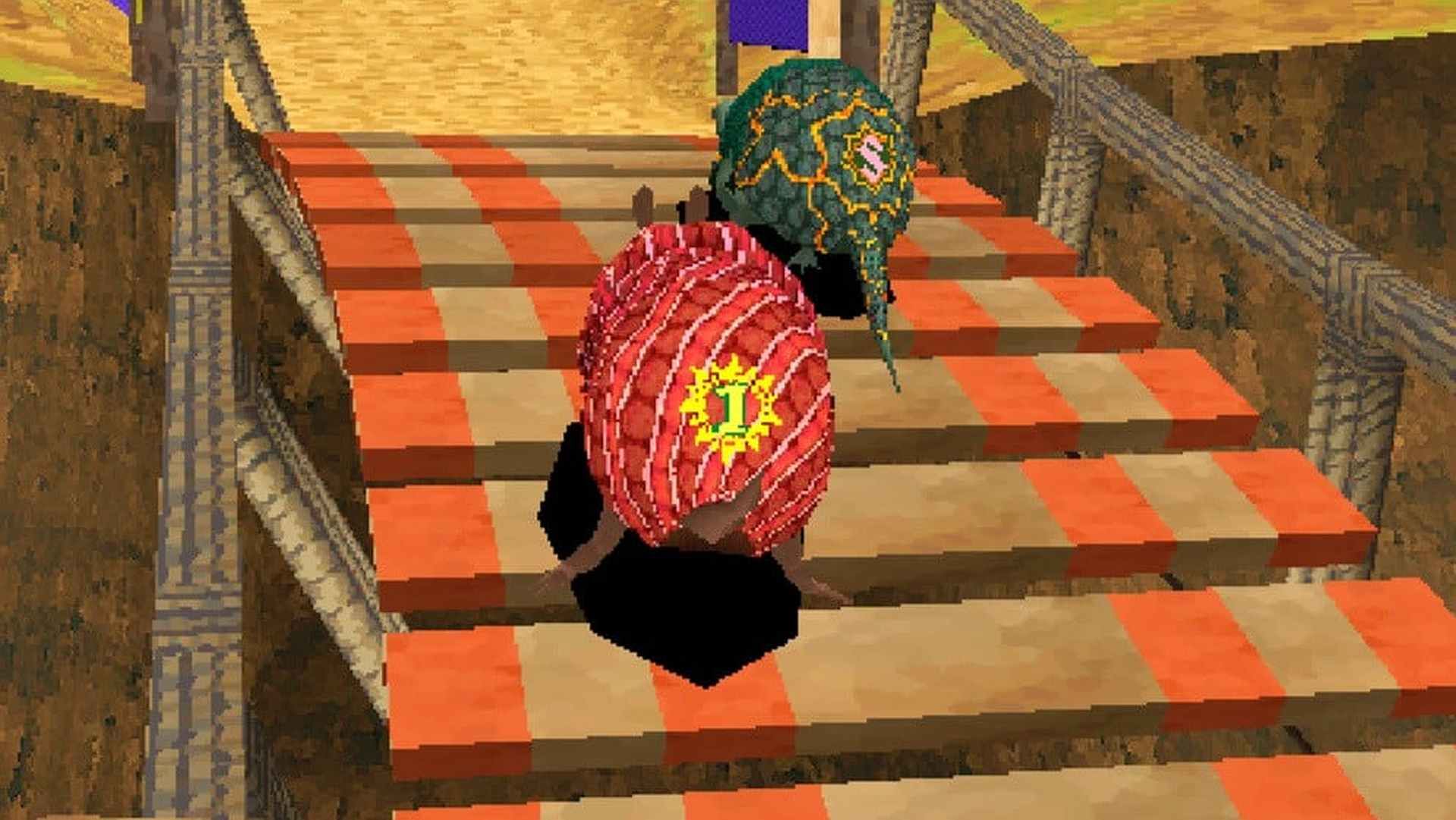
Bandai Namco's 1997 arcade oddity Armadillo Racing is finally getting a home release for the first time, nearly 30 years after it first appeared in arcades. The game, in which players race a rolling armadillo through obstacle-filled or sprint courses, is being brought to modern platforms by Hamster Corporation as part of its Arcade Archives series, which specialises in preserving lesser-known Japanese arcade titles. Ryoichi Kaku of Bandai Namco Research Institute, who worked on the original arcade version, said the re-release holds personal significance for him.
The original cabinet used a trackball control scheme, and while the new release supports a standard controller, players can also plug in a USB trackball to replicate the intended experience. Armadillo Racing launches on 23 July as an Arcade Archives release on Nintendo Switch and PlayStation 4 for $14.99, and as an Arcade Archives 2 release on Nintendo Switch 2, PlayStation 5 and Xbox Series X/S for $16.99, with a discounted $2.99 upgrade path between the two versions. It is the eighth Namco System 22/Super 22 arcade title Hamster has ported, following releases such as Ridge Racer and the arcade version of Tekken.
In short
- Namco's 1997 armadillo racing arcade game gets first-ever home release
- Launches 23 July on Switch, PS4, Switch 2, PS5 and Xbox Series X/S
- Supports USB trackball to recreate original arcade controls
Explained simply
Armadillo Racing is a Japanese arcade game first released in 1997 by Namco, now part of Bandai Namco. Players guide a rolling armadillo around obstacle courses or sprint tracks, using a trackball built into the arcade cabinet.
The home version is being handled by Hamster Corporation, which brings older arcade games to modern consoles through its Arcade Archives series. It will support ordinary controllers as well as a USB trackball, and adds the game to Hamster’s growing collection of Namco arcade releases.
The release gives players a way to try a lesser-known game from the era, while preserving its distinctive control style. Ryoichi Kaku, who worked on the original, has said the return is personally meaningful to him.