Video games news, releases, esports and culture — all the biggest gaming stories in one place.
33 Years Ago, Anime’s Mecha Sci-Fi Masterpiece Was Ahead of Its Time in One Disturbing Way
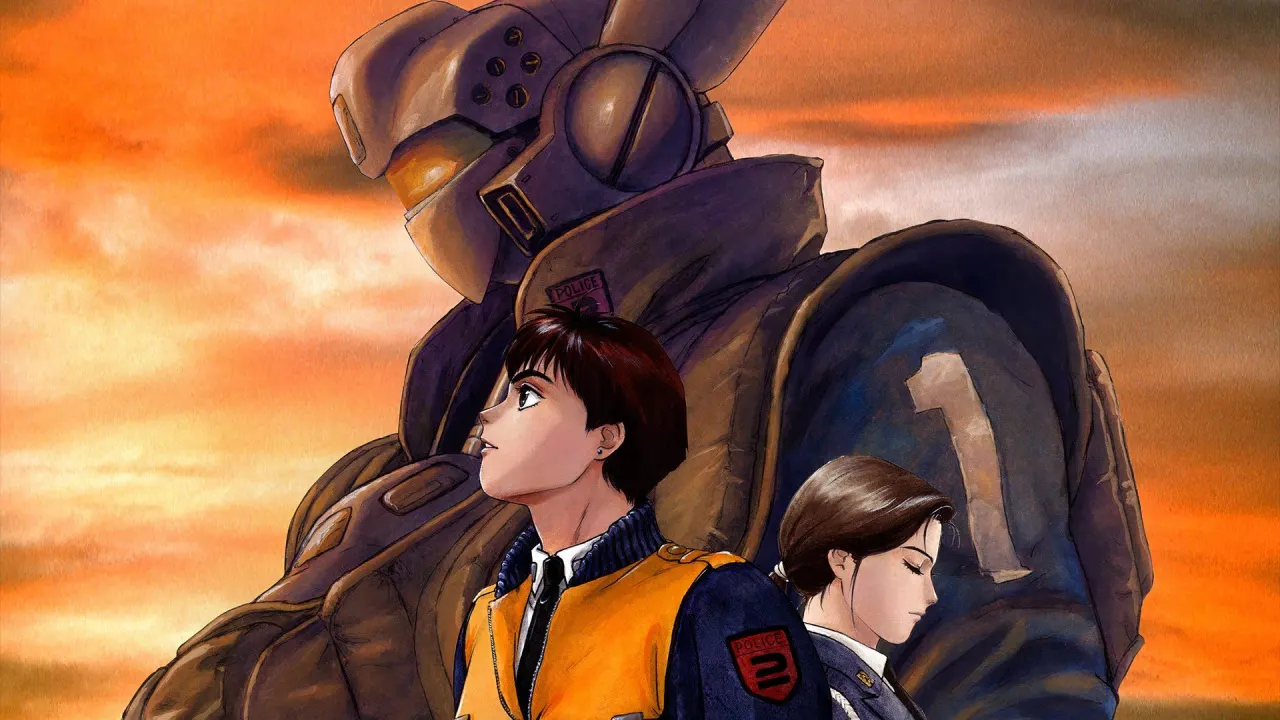
Mamoru Oshii’s 1993 film Patlabor 2: The Movie is presented as the high point of the Mobile Police Patlabor franchise, using its mecha setting for a political thriller about military power, public fear and fragile peace. Its renewed relevance lies in its depiction of a Tokyo destabilised by a military takeover and disinformation, rather than a conventional focus on robot action.
Set in 2002 and following the 1989 film, the story begins after a missile destroys Yokohama Bay Bridge, with the Japan Air Self-Defense Force blamed amid protests and growing chaos. Police officers Kiichi Goto and Shinobu Nagumo investigate terrorist threats, while the film critiques Japan’s post-war “pseudo-peace”, bureaucratic corruption and proxy conflicts; it is now difficult to access legally outside physical Blu-ray releases.
In short
- Patlabor 2 turns a mecha franchise into a prescient political thriller.
- It examines militarisation, misinformation and Japan’s uneasy post-war peace.
- The 1993 film remains largely unavailable on mainstream streaming services.
Explained simply
Patlabor is a Japanese science-fiction series set in a world where people use large robots, called Labors, for construction and other work. Its police officers use their own machines to deal with crimes involving them; director Mamoru Oshii’s 1993 film shifts the focus towards politics and security.
The film follows police officers Kiichi Goto and Shinobu Nagumo as they investigate a missile strike on a bridge and the crisis that follows. The armed forces are blamed, while public fear and political confusion grow.
The story touches on Japan’s post-war approach to military power and the tension between civilian government and the armed forces. Its robot setting provides a way to explore how a society can respond when trust and a sense of peace are shaken.