Four Ray-Ban Meta controls can limit listening and data sharing
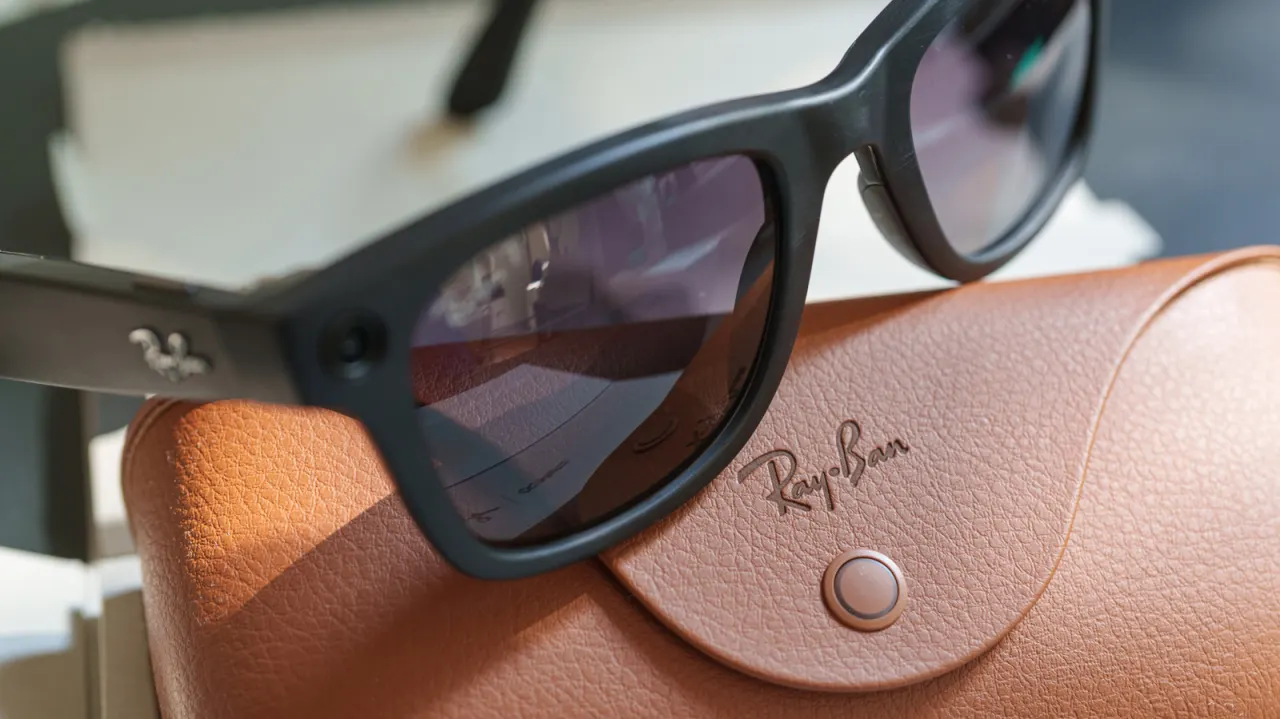
The article explains four Ray-Ban Meta settings that users can review to limit how much the glasses listen to, upload or share. The choices involve trade-offs with convenience and do not prevent all data processing, so the article encourages users to understand what each setting controls.
Users can turn off the “Hey Meta” wake phrase, disable Cloud media, and opt out of sharing additional usage data. Gallery photos normally stay on the glasses until imported, but Cloud media can keep copies on Meta’s servers for up to 30 days; disabling it also removes some cloud features. Meta says ordinary gallery captures are not used for AI training or adverts, though images sent to the assistant for visual questions follow different rules. Users can delete voice recordings and, as of September 2026, Meta introduced an option to prevent visual data from glasses interactions being used for AI training.
In short
- Review privacy settings before wearing the glasses widely.
- Cloud media can store copies for up to 30 days.
- Disabling optional sharing does not stop all data collection.
Steelman: both sides, in good faith
The strongest fair case each way — we don't pick a winner.
The case for
These controls give users meaningful ways to reduce listening, cloud storage and data sharing while keeping the features they value. Reviewing them is a practical privacy safeguard, especially for people who want to use connected glasses but limit what leaves the device.
The case against
The controls involve real costs in convenience and functionality: turning off the wake phrase or Cloud media can make features less seamless or unavailable. They also do not stop all data processing, so users may reasonably question whether the choices offer enough privacy or clarity to justify relying on them.
Explained simply
Ray-Ban Meta glasses combine sunglasses with a camera, microphones and Meta’s voice assistant. Meta is the technology company behind the glasses and services such as Facebook and Instagram; people can use the assistant by speaking to it or asking about what the camera sees.
The glasses can store photos and video on the device, while some features send media or voice recordings to Meta’s servers for processing. Settings control different kinds of listening, storage and data sharing, and turning them off can limit some features or make them less convenient.
A gallery photo kept on the glasses is treated differently from an image sent to the assistant for a question. Knowing which settings apply helps users understand where their recordings may go and how Meta says it may use them.
Read the full article at the source →
Originally published by Engadget as “4 Ray-Ban Meta privacy settings you should change before wearing them”.