Politics news and discussion on TalkFuse.
4 takeaways from election night
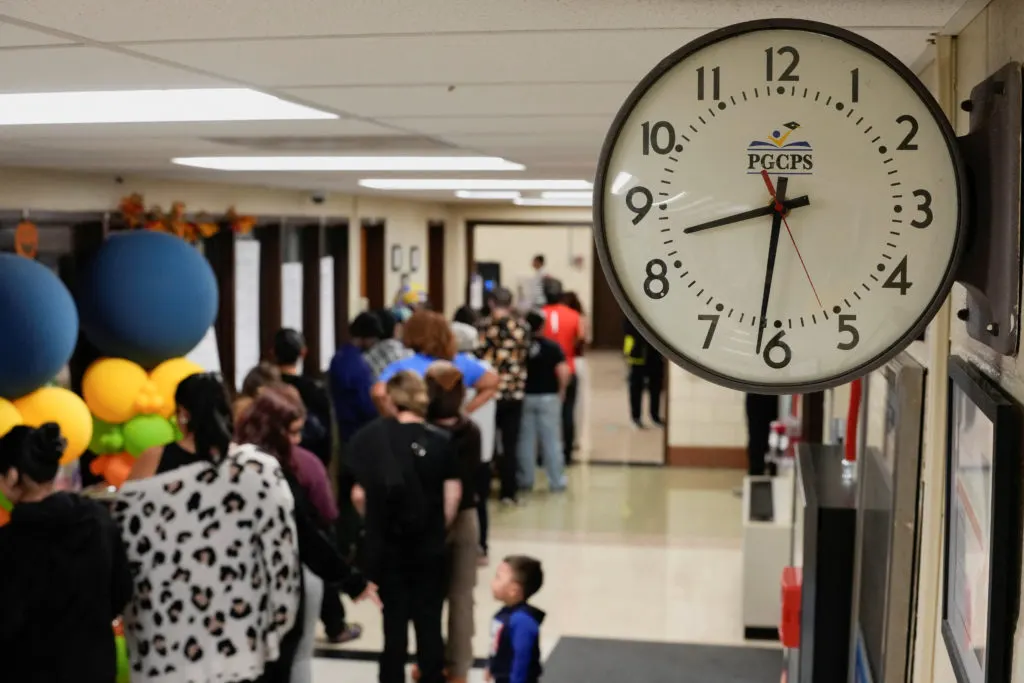
President Donald Trump urged voters to treat the 2026 midterm elections as a judgement on him, and voters delivered major victories to Democrats across several swing states and Republican strongholds. The results point to widespread dissatisfaction with Trump and his party, and could give Democrats control of Congress, increasing scrutiny of the president.
The AP Voter Poll found roughly three-quarters of voters were angry or dissatisfied with the country’s direction, about six in ten disapproved of Trump’s performance, and most blamed his policies for higher prices. It also indicated a shift among younger and Hispanic voters: around seven in ten voters under 30 backed their local Democratic House candidate, while about six in ten Hispanic voters did so. The article says Democrats won governorships in Georgia and Texas, with Keisha Lance Bottoms and Gina Hinojosa making history.
In short
- Democrats scored major midterm victories across several states.
- Voters expressed broad dissatisfaction with Trump and rising costs.
- Young and Hispanic voters shifted towards Democratic candidates.
Steelman: both sides, in good faith
The strongest fair case each way — we don't pick a winner.
The case for
Democrats can argue that the results were a clear public judgement on the Trump administration: many voters were unhappy with the country’s direction, disapproved of his performance and blamed his policies for higher prices. Their gains among younger and Hispanic voters, alongside victories in key states, suggest a broad coalition seeking change and stronger congressional scrutiny of the president.
The case against
Republicans can argue that midterm results reflect a mix of local concerns and candidate-specific contests, so they do not necessarily amount to a settled verdict on the administration or its entire agenda. The reported dissatisfaction is real, but voters may disagree about its causes and about whether Democratic control would address prices or other concerns; the results alone do not establish a mandate for any particular alternative.
Explained simply
Midterm elections take place halfway through a US president’s four-year term. Voters choose members of Congress, which makes federal laws and oversees the government, as well as some state officials such as governors.
The main parties are the Democrats and Republicans. Donald Trump is a Republican president; Keisha Lance Bottoms and Gina Hinojosa are Democratic candidates for governor in Georgia and Texas, where voters also choose state leaders. Control of Congress matters because it can affect what laws pass and how closely the president’s administration is examined.