
42 years ago, Hayao Miyazaki gave The Odyssey’s overlooked princess the epic adventure she deserves
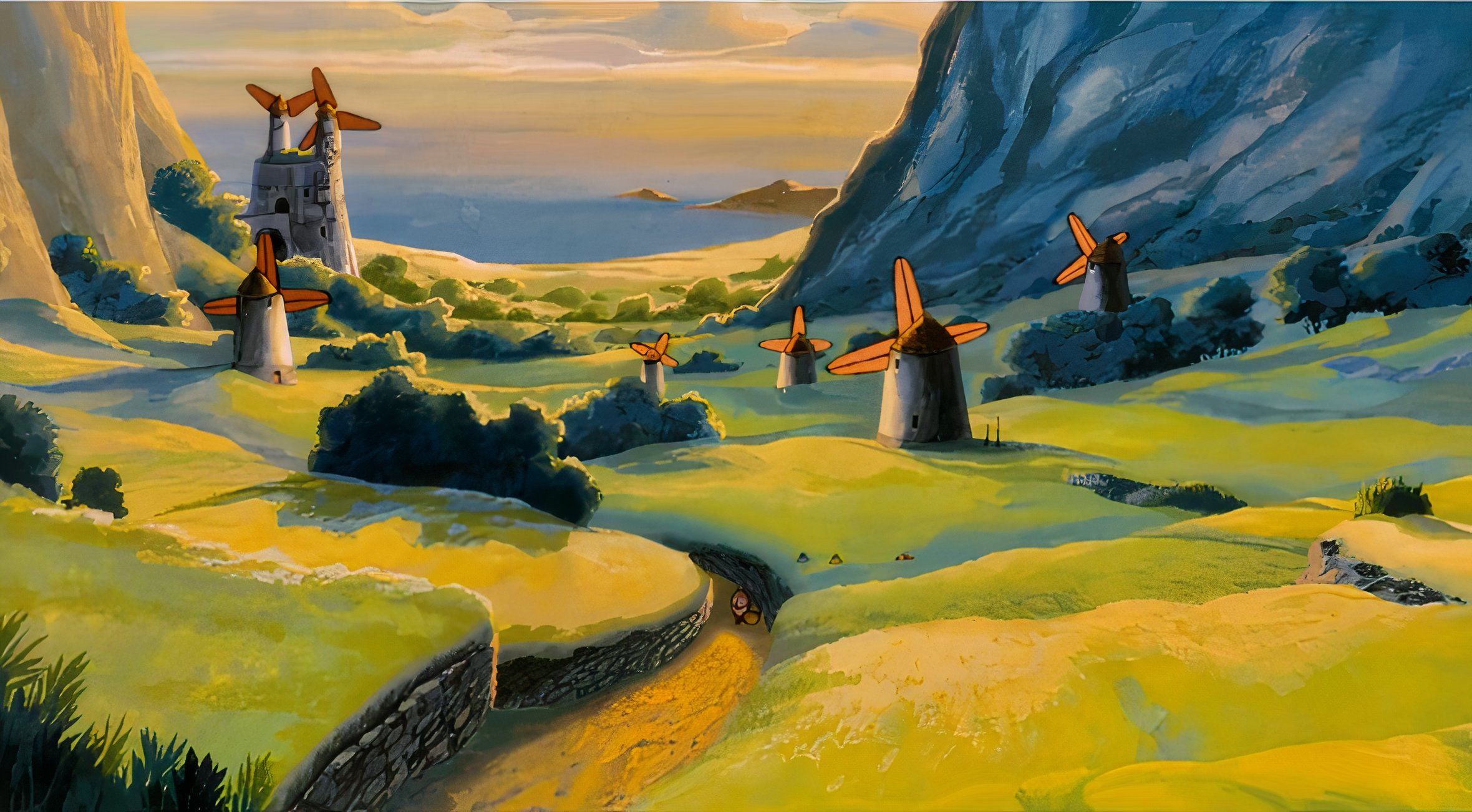
With Christopher Nolan's new film adaptation of The Odyssey now in cinemas, Polygon revisits a very different take on Homer's epic: Hayao Miyazaki's 1984 anime Nausicaä of the Valley of the Wind. Made by Topcraft, the studio that preceded Studio Ghibli, the film drew inspiration from the Phaeacian princess Nausicaä, a minor figure in The Odyssey who helps the shipwrecked hero, and reimagined her as the protagonist of an epic journey across a war-ravaged, ecologically devastated world. The comparison matters because it shows how a 3,000-year-old story continues to inspire strikingly different works, and how Miyazaki used it as a springboard to explore themes of empathy and humanity's relationship with nature that would later define films such as Princess Mononoke, Porco Rosso and Spirited Away.
Like Odysseus, Miyazaki's Nausicaä is defined by curiosity and empathy rather than physical strength, navigating hostile kingdoms and the brutal conflict between Pejite and Tolmekia while surviving repeated near-catastrophes. The film also draws on the 12th-century Japanese folktale The Lady Who Loved Insects, informing Nausicaä's fascination with the giant Ohmu creatures she refuses to fear. Where The Odyssey frames Odysseus's trials as tests set by the gods, Miyazaki instead asks whether humanity is responsible for its own suffering: the toxic, expanding "Sea of Corruption" initially appears to be the world's greatest threat, but is later revealed to be quietly healing a planet poisoned by industrial-scale warfare.
- Nolan's Odyssey prompts a look back at Miyazaki's 1984 Nausicaä of the Valley of the Wind
- Miyazaki expanded a minor Odyssey character into an epic protagonist
- Film blends Homer's myth with Japanese folklore and ecological themes later seen in Ghibli films