5 Books That Are Far More Disturbing Than Their Movie Adaptations
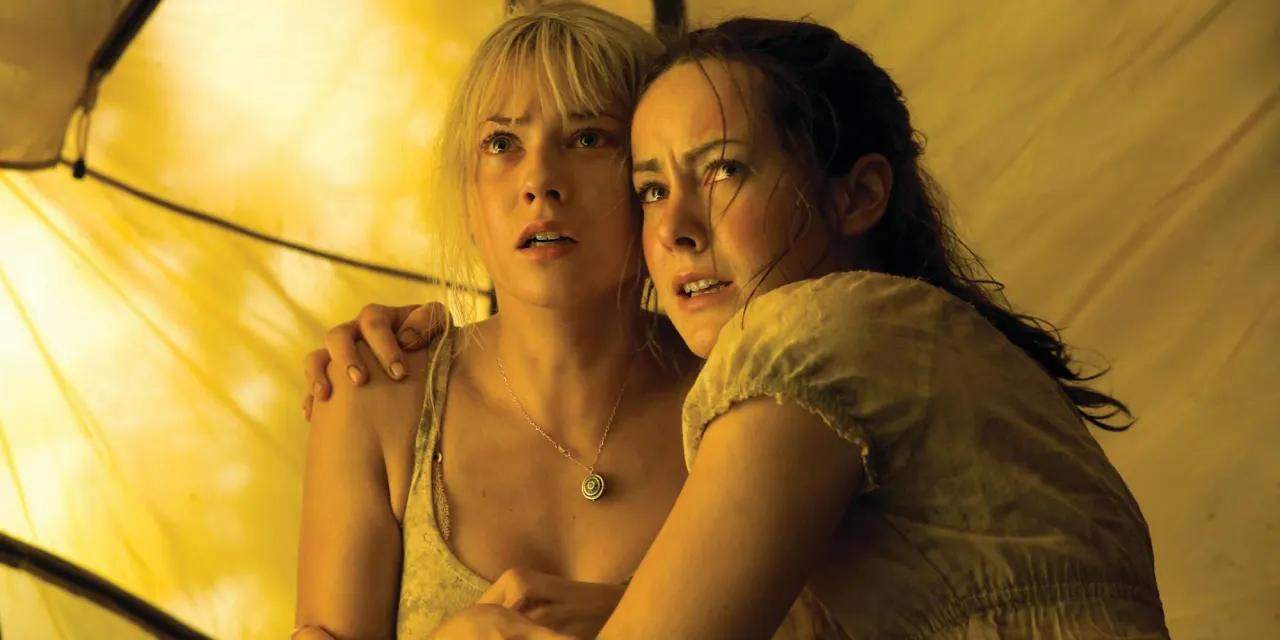
The article argues that five horror novels are more disturbing than their film adaptations, because the books can preserve psychological ambiguity, inner thoughts and unsettling details that films may simplify or omit. It presents the novels as examples of how adaptation can soften a story’s most affecting horror, even when the film succeeds visually or atmospherically.
Among the examples discussed are Andrew Michael Hurley’s *Starve Acre*, where the novel gives more weight to grief and a couple’s growing distress than the 2023 film, and Jeff VanderMeer’s *Annihilation*, about four scientists exploring the mysterious Area X. The article highlights how the books’ slow-building dread and psychological depth can make them more unsettling than their screen versions.
In short
- Five horror novels are said to out-disturb their film adaptations.
- Films can lose ambiguity, inner thoughts and nightmarish details.
- *Starve Acre* and *Annihilation* are among the examples.
Steelman: both sides, in good faith
The strongest fair case each way — we don't pick a winner.
The case for
Novels can be more disturbing because readers spend time inside characters’ thoughts and encounter ambiguity, gradual dread and unsettling details that a film may have to compress or leave out. In stories such as Starve Acre and Annihilation, that sustained access to grief and psychological unease can make the horror feel more personal and linger longer.
The case against
Film adaptations can create forms of horror that prose cannot, using images, sound, performance and atmosphere to make fear immediate and memorable. Compression or changes in emphasis need not weaken a story: a film may preserve its central unease while giving it a distinct, effective impact.