Video games news, releases, esports and culture — all the biggest gaming stories in one place.
5 Classic Anime That Will Never Need Remakes
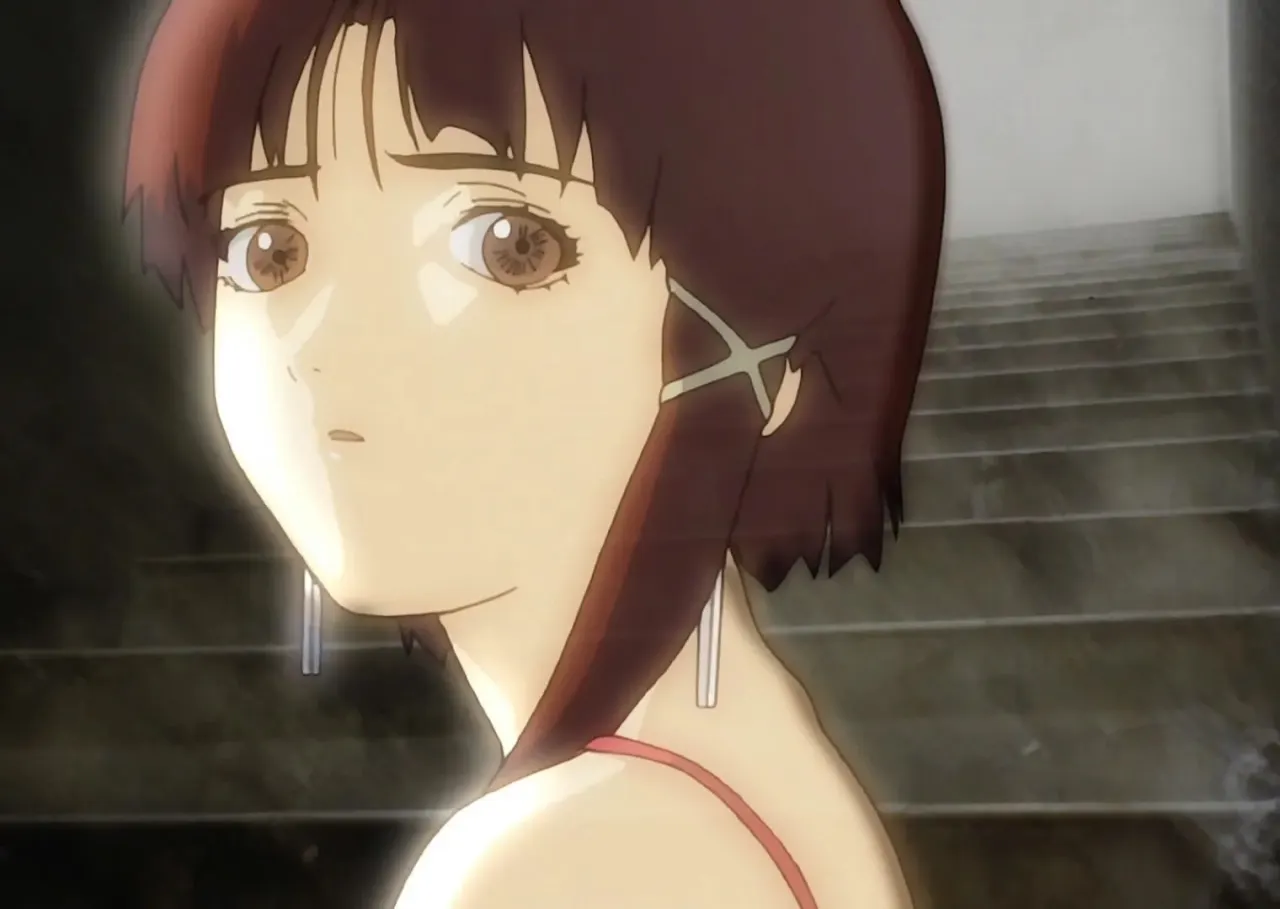
Polygon has published a list highlighting classic anime series that the outlet argues should never receive remakes, arguing that while many older anime have benefited from updated adaptations, a handful of shows are so tied to their original creative circumstances that revisiting them would risk diluting what made them special. The piece contrasts successful remakes such as Fullmetal Alchemist: Brotherhood and Hunter x Hunter with titles it considers untouchable classics.
– Cowboy Bebop (1998): praised for its self-contained 26-episode structure, genre-blending jazz and cyberpunk style, and Shinichirō Watanabe's distinctive direction, which Netflix's live-action version failed to replicate – Steins;Gate (2011): the 24-episode anime is considered the definitive adaptation of the 2009 visual novel, condensing its complex time-travel plot into a cohesive story – Further entries in the list (not fully detailed in the available text) continue the theme of one-of-a-kind classics unlikely to be improved by a remake
In short
- Polygon lists classic anime the outlet says shouldn't be remade
- Cowboy Bebop cited for its unique, self-contained style and tone
- Steins;Gate seen as the definitive, unimprovable adaptation of its source
Steelman: both sides, in good faith
The strongest fair case each way — we don't pick a winner.
The case for
The strongest case is that certain creative works achieve such a perfect synthesis of vision, circumstance and execution that remaking them risks dilution rather than enhancement. Works like Cowboy Bebop represent the complete realisation of a singular creative vision—Watanabe's distinctive direction married to 26 perfectly-crafted episodes in a specific technological and cultural moment. The failed Netflix adaptation demonstrates that even substantial resources cannot recreate that alchemy; some artistic achievements stand best left intact as monuments to their creators' genius and their era.
The case against
The strongest case is that remakes and new adaptations need not compete with or diminish originals—they can offer genuinely worthwhile alternative interpretations. Multiple successful literary adaptations coexist happily; anime remakes could similarly allow fresh creative voices to approach beloved source material with new perspectives and modern techniques. A single failed adaptation proves only that execution matters, not that remakes are fundamentally wrongheaded. Categorically dismissing the possibility prevents the chance of creating something equally rewarding but different, simply honouring rather than copying the original.
Explained simply
Cowboy Bebop and Steins;Gate are two long-running Japanese animated series, or "anime", that fans and critics widely regard as landmark shows in the medium. Cowboy Bebop, first broadcast in 1998, follows a crew of bounty hunters in a stylised future and is known for blending jazz music, film noir and science fiction under director Shinichirō Watanabe. Steins;Gate, from 2011, is a time-travel drama based on a 2009 video game and is often cited as one of the best adaptations of its kind.
The wider context is a trend of older anime being reworked with modern animation and pacing, such as Fullmetal Alchemist: Brotherhood and Hunter x Hunter, both of which improved on earlier versions of the same stories. This has led to ongoing debate among fans about which classic shows would benefit from a similar refresh and which are better left untouched.
The entertainment website Polygon has weighed in on that debate with a list of anime it believes should never be remade, arguing that certain shows are so closely tied to the particular creative team, era or format that produced them that a new version could not improve on the original and might even diminish it. Cowboy Bebop and Steins;Gate feature among its examples, alongside further titles the outlet considers similarly untouchable.