Entertainment news and discussion on TalkFuse.
5 Classic Crime Shows That Are Still Better Than Most New Series
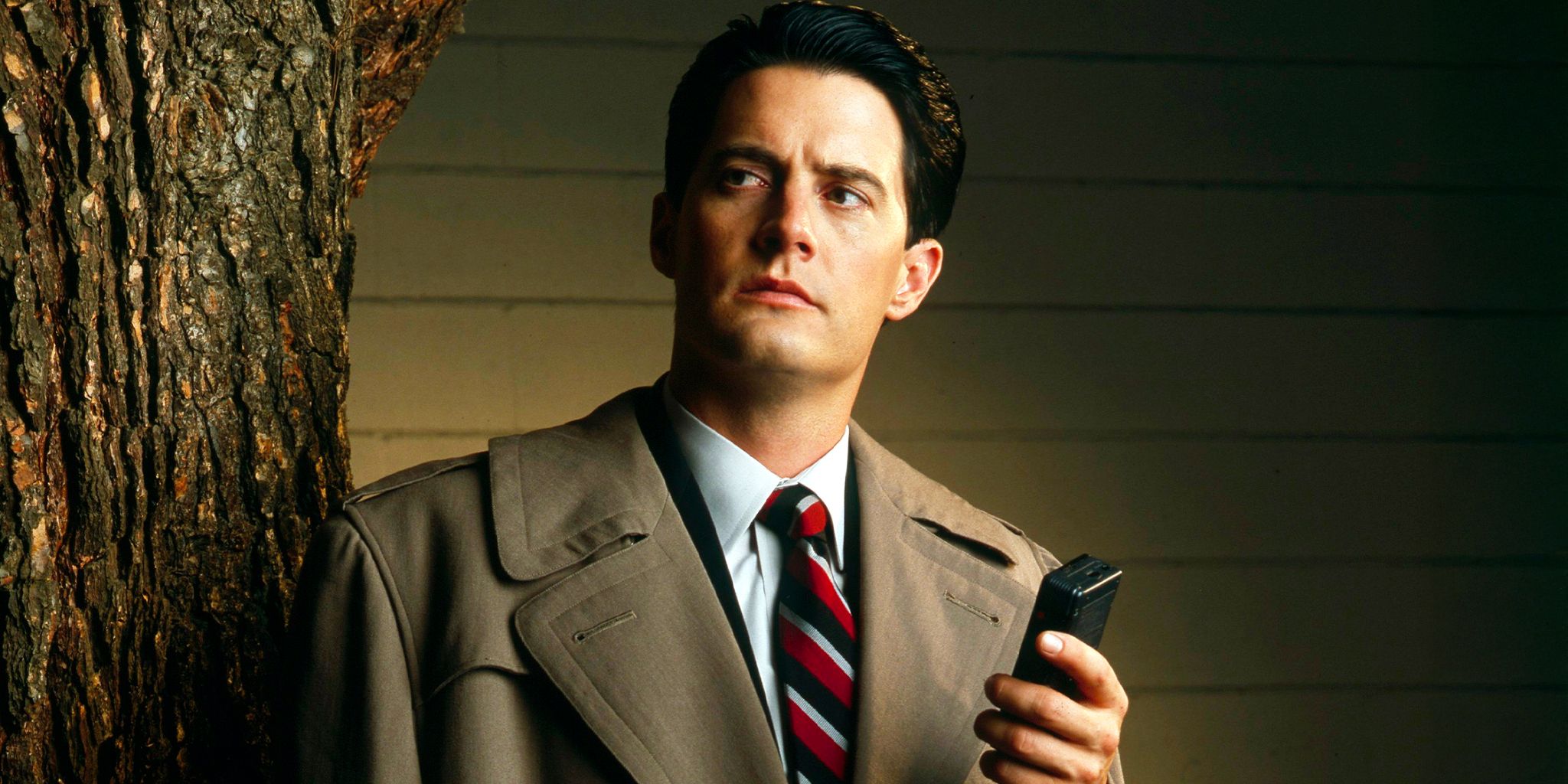
Collider has published a list ranking five classic crime television series that it argues remain superior to much of today's output, despite the huge budgets and starry casts now common in the streaming era. The piece argues that increased spending and marketing on new shows has not necessarily translated into better quality, and makes the case for revisiting older series that shaped the genre.
The list is led by David Lynch's Twin Peaks (1990–2017), described as the most influential show in television history for moving beyond the "case of the week" crime procedural format to explore how violence affects an entire community, centred on the mystery of who killed Laura Palmer. The article notes the show sparked one of TV's first major fandoms before its cancellation after two seasons, prompting Lynch to continue the story with the prequel film Twin Peaks: Fire Walk with Me. The remaining four shows on the list were not detailed in the available text.
In short
- Collider ranks five classic crime shows above most modern series.
- Twin Peaks (1990–2017) tops the list for its influence.
- Article argues bigger streaming budgets haven't improved quality.
Steelman: both sides, in good faith
The strongest fair case each way — we don't pick a winner.
The case for
The piece argues that classic crime shows fundamentally reshaped television by transcending formulaic 'case of the week' procedurals to explore the deeper human impact of crime and violence. Twin Peaks exemplifies this shift—its genuine innovation, cultural influence, and commitment to narrative risk-taking established a template that modern shows inherit without necessarily matching. Even with today's vastly larger budgets and access to acclaimed talent, contemporary crime dramas often prioritise production spectacle and marketing reach over the creative constraints that historically forced writers to develop more compelling characters and mysteries, suggesting that increased investment has not reliably translated to artistic quality.
The case against
Modern crime dramas benefit from decades of established narrative techniques proven through shows like Twin Peaks, whilst enjoying dramatically superior technical capabilities in cinematography, sound design, and effects that enhance storytelling. Streaming platforms have removed traditional format constraints, allowing for innovative season structures and narrative flexibility that earlier shows could not achieve. Contemporary crime series are increasingly recognised by audiences and critics as artistically accomplished, and substantial budgets enable production ambition that ambitious older shows sometimes lacked—suggesting that nostalgia may obscure genuine creative achievements in contemporary television rather than proving older programmes were inherently superior.
Explained simply
Crime television dramas have long followed familiar patterns, with traditional shows presenting a new mystery each week for detectives to solve. The format proved commercially successful, establishing conventions that dominated television production across networks and generations.
Twin Peaks, created by David Lynch in 1990, fundamentally changed crime television by abandoning the weekly case format to pursue a single murder mystery across an entire season. The show became one of television's first major cultural phenomena, generating devoted audiences before its early cancellation, though Lynch later continued the story through a prequel film.
Modern television production now involves vastly larger budgets and investments than earlier shows received, particularly as streaming platforms compete to attract audiences with expensive new dramas. Comparing contemporary series with classic shows raises questions about whether increased resources automatically translate to superior storytelling.