Culture news and discussion on TalkFuse.
5 Fantasy Book Masterpieces Better Than The Lord of the Rings
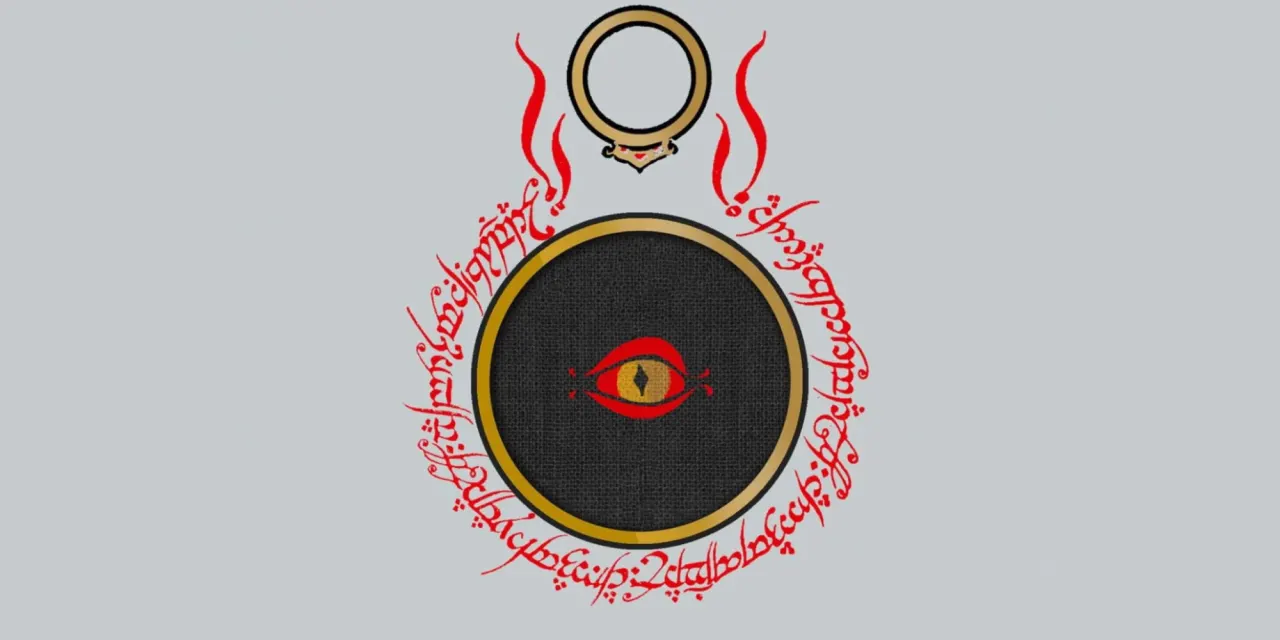
A Collider feature argues that several fantasy novels surpass J.R.R. Tolkien's The Lord of the Rings, contending that while Tolkien's work is a landmark, it is slow in places, underdeveloped in its female characters and morally straightforward compared with what the genre can achieve. The piece matters as a talking point for fantasy readers, since it challenges the near-universal assumption that Tolkien's trilogy represents the genre's ceiling, instead highlighting books that use magic and myth to explore religion, war, memory and the nature of evil in ways Tolkien did not attempt.
The list ranks five works, including Ursula K. Le Guin's The Earthsea Cycle (1968–2001), C.S. Lewis's The Chronicles of Narnia (1950–1956), T.H. White's The Once and Future King (1958), and Philip Pullman's His Dark Materials (1995–2000), with a fifth title cut off in the supplied text. Each entry highlights a distinct achievement, such as Le Guin's concise worldbuilding and reversal of racial norms in fantasy, Narnia's willingness to take narrative risks despite inconsistent lore, and White's bleaker, war-era reflection on the corruption of noble ideals compared with Tolkien's more triumphant battles.
In short
- Article ranks five fantasy novels said to outshine The Lord of the Rings.
- List includes Earthsea, Narnia, The Once and Future King, His Dark Materials.
- Argues these books explore themes and risks Tolkien's saga avoided.
Steelman: both sides, in good faith
The strongest fair case each way — we don't pick a winner.
The case for
Tolkien's The Lord of the Rings, whilst foundational, contains genuine limitations that later fantasy authors addressed more successfully. Works such as Le Guin's Earthsea and Pullman's His Dark Materials explore moral and philosophical complexity—religion, the nature of evil, and war's corrupting effects—with greater nuance than Tolkien's more straightforward moral framework. The characterisation of women in Tolkien remains underdeveloped compared with what the genre subsequently achieved, and the trilogy's pacing occasionally strains modern readers' patience. These later works demonstrate that fantasy literature can accomplish sophistication and depth that Tolkien, despite his genius, did not attempt.
The case against
Tolkien's pre-eminence reflects not mere nostalgia but genuine achievement that later authors have not surpassed. He invented the modern fantasy genre and created unprecedented worldbuilding depth through invented languages, genealogies, and mythic histories that give his work singular scope and cohesion. Criticising him for underdeveloped female characters or straightforward morality applies modern expectations anachronistically to a work of the 1950s; judged by the standards of its era, The Lord of the Rings represented extraordinary achievement. His influence on the entire genre means later works build upon rather than eclipse his accomplishment, making 'better than Tolkien' a category error.
Explained simply
J.R.R. Tolkien’s The Lord of the Rings helped shape modern fantasy, with its invented languages, imagined history and struggle against a great evil. Its influence has made it a common point of comparison, though readers disagree about whether it is the genre’s greatest achievement.
Other writers have used fantasy to explore different ideas. Ursula K. Le Guin’s Earthsea books centre on magic, balance and identity; C.S. Lewis’s Narnia stories draw on Christian themes; T.H. White retells the King Arthur legends; and Philip Pullman’s His Dark Materials examines authority and belief.
Comparisons between these works often turn on what readers value: sweeping adventure, memorable characters, imaginative worlds or questions about morality and power. The debate matters because fantasy has grown into a varied genre, and no single series needs to define its limits.