5 Historical Fiction Books Perfect for Fans of Shōgun
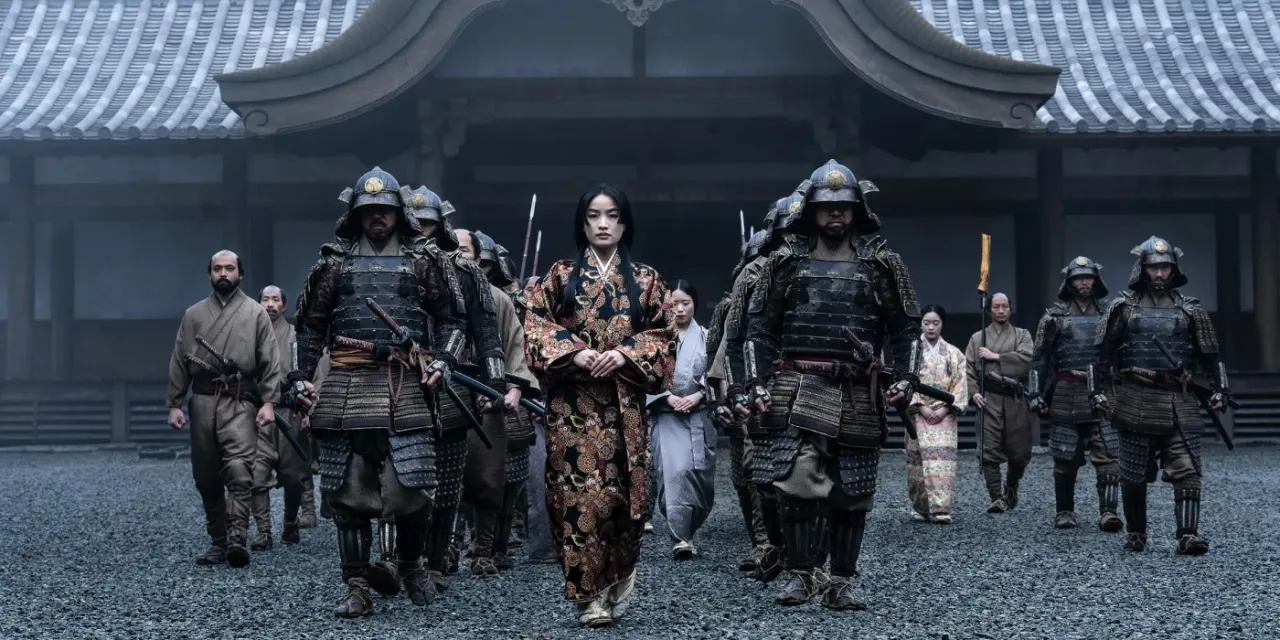
Collider has published a list of historical fiction novels recommended for fans of the hit FX series Shōgun, which is based on James Clavell's 1975 novel and follows an English pilot navigating political intrigue in 17th-century Japan. The list highlights books that share Shōgun's themes of power, culture clashes and personal identity across different historical settings.
– Pachinko by Min Jin Lee — spans nearly eight decades from 1910s Korea to 1989 Japan, following a family's struggles with war, poverty and identity – Musashi by Eiji Yoshikawa — set immediately after the 1600 Battle of Sekigahara (the same period as Shōgun), tracing a young samurai's journey to become Miyamoto Musashi – The Thousand Autumns of Jacob de Zoet by David Mitchell — depicts political upheaval in 17th-century Japan (article text cuts off before further detail) – Two further titles are included in the full list but were not detailed in the available text
- Collider lists historical fiction books for Shōgun fans
- Recommendations include Pachinko and Musashi
- All explore power, culture and identity across history
New here? Start with this
Shōgun is a story set in 17th-century Japan, a time of political rivalry and shifting power. Its central character is an English pilot caught up in struggles among Japanese leaders, as he encounters a society and customs unfamiliar to him.
The novels mentioned alongside it explore similar questions about power, cultural encounters and identity in other periods and places. Pachinko follows a Korean family through decades of change in Korea and Japan, while Musashi begins after the 1600 Battle of Sekigahara and follows a young samurai’s path.
The Thousand Autumns of Jacob de Zoet also takes place in 17th-century Japan amid political upheaval. Together, these settings show how historical fiction can explore the effects of conflict and social change on people’s lives.