5-year-old autistic boy asked to leave Sheffield trampoline park over bite
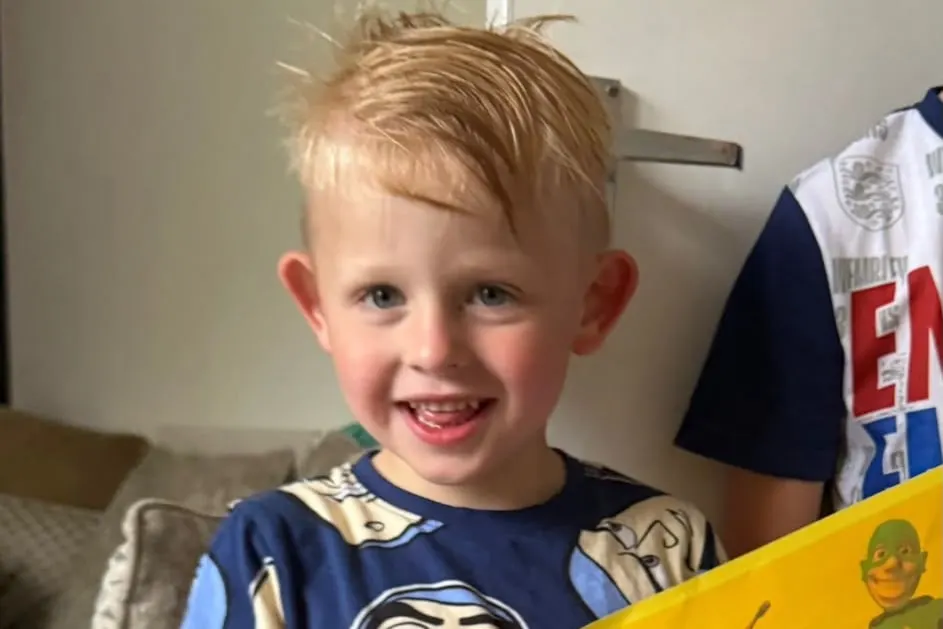
A five-year-old child with autism and severe communication difficulties was required to leave AirHop Sheffield after biting a member of staff during a visit. The employee sustained an injury serious enough to warrant hospital treatment, leading the facility to invoke its stated zero-tolerance protocol for incidents involving staff harm.
The child's parent has expressed concern that the venue failed to implement suitable accommodations despite notifying staff of the child's condition and special needs when arriving. She questioned whether staff received adequate training, whether a formal disability support policy exists, and what specific circumstances preceded the incident, while acknowledging that the child's departure was justified.
In short
- A non-verbal autistic 5-year-old was asked to leave a Sheffield trampoline park after biting staff, who required hospital treatment.
- The child's mother questions whether the facility provided adequate accommodations for his special educational needs despite being informed beforehand.
- The company maintains a zero-tolerance policy for staff safety; the mother seeks understanding of what triggered the incident and what SEND support policies exist.
Steelman: both sides, in good faith
The strongest fair case each way — we don't pick a winner.
The case for
The venue has a legitimate duty to protect its staff from workplace harm, and a member of staff was injured severely enough to require hospital treatment, indicating a serious incident. The facility may lack the specialist training required to safely manage a child with severe communication difficulties in a stimulating environment like a trampoline park. A zero-tolerance policy for employee injury is a reasonable safety measure that protects worker wellbeing and prevents normalising workplace violence. Businesses must balance inclusivity with operational feasibility, and exclusion may be unavoidable when adequate staff protection cannot be ensured.
The case against
The parent notified the venue of her child's autism and severe communication needs before the incident, establishing both a legal and ethical obligation to implement reasonable adjustments under disability law. Biting in young autistic children typically reflects distress, sensory overload, or communication breakdown rather than intentional aggression, and may have been preventable through proactive environmental support, sensory accommodations, or de-escalation strategies. Disability discrimination legislation requires venues to attempt reasonable adjustments before resorting to exclusion, and excluding a disabled child without demonstrating that such measures were first explored may constitute unlawful discrimination.
Explained simply
AirHop is an indoor trampoline park in Sheffield, where visitors use trampolines and other play areas. The child involved is five and has autism and significant communication difficulties, which can affect how he communicates and responds to situations.
The park says it has a zero-tolerance rule for incidents in which staff are harmed. The child’s parent says she told staff about his needs and has raised questions about what support and staff training were available. The case touches on how leisure venues balance safety rules with support for disabled visitors.
Business Companies Government Politics Sheffield