Culture news and discussion on TalkFuse.
6 Best Adventure Movies Released Since 2010
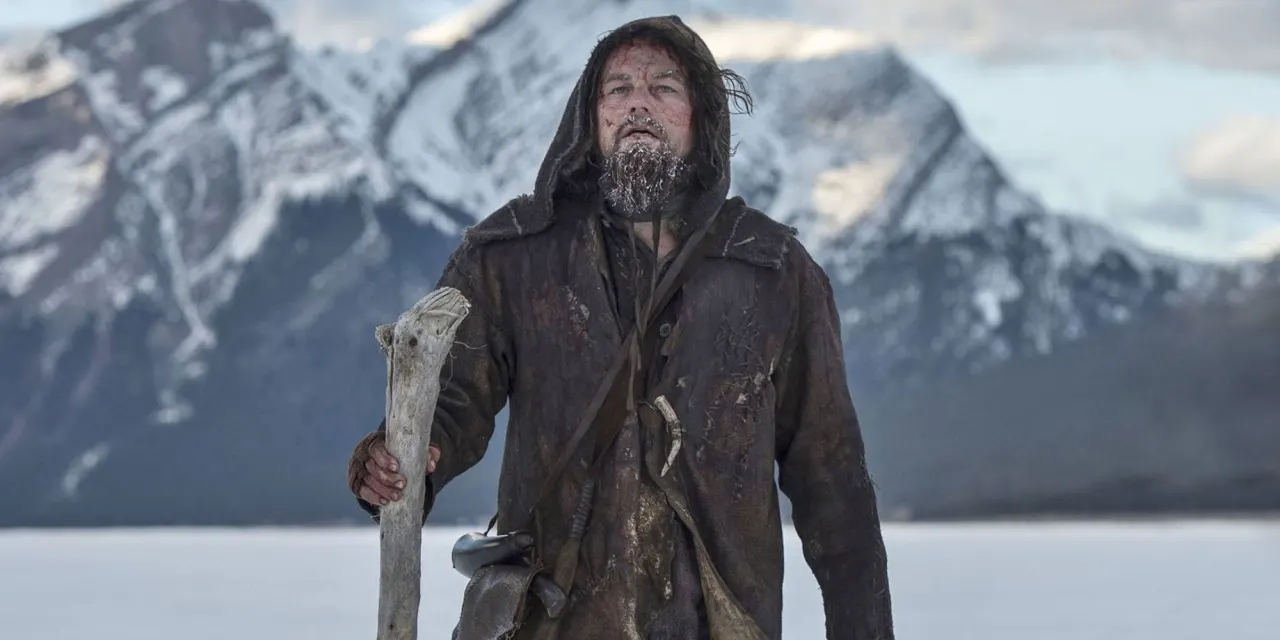
Collider has published a ranked list of the six best adventure films released since 2010, highlighting movies that favour real stunts, practical effects and physical performances over heavy reliance on CGI. The author argues that this tangible, "real person did that" quality has become rarer in modern blockbusters, and singles out films that still deliver genuine tension and spectacle through authentic filmmaking choices.
Among the entries detailed are Ang Lee's "Life of Pi" (2012), praised for its Oscar-winning visual effects and philosophical ending; Ridley Scott's "The Martian" (2015), noted for blending survival drama with humour as Matt Damon's stranded astronaut "sciences" his way off Mars; and Alejandro G. Iñárritu's "The Revenant" (2015), remembered for Leonardo DiCaprio's gruelling, natural-light shoot and his long-awaited Oscar win. The full list features six films in total, ranked from six down to one.
In short
- Collider ranks six standout adventure films released since 2010.
- List favours movies with real stunts over CGI-heavy spectacle.
- Featured so far: "Life of Pi", "The Martian" and "The Revenant".
Steelman: both sides, in good faith
The strongest fair case each way — we don't pick a winner.
The case for
Those supporting this framework contend that practical effects and genuine human performance create superior adventure cinema because they generate authentic tension and spectacle rooted in real physical accomplishment. There is genuine craft and risk in executing practical stunts and effects, and audiences respond to this authenticity—the knowledge that a real person performed that dangerous action. Advocates argue this approach reflects a higher standard of filmmaking artistry and that such films have become increasingly rare as the industry has shifted towards CGI-dependent solutions.
The case against
Sceptics of this criterion argue that rating films primarily on the use of practical effects rather than CGI represents an arbitrary and potentially limiting approach to film criticism. Outstanding visual effects work represents genuine artistic achievement and innovation, and some narratives are better served by digital solutions that achieve results impossible or unsafe to film practically. Judging adventure films primarily on production methodology rather than overall artistic merit, emotional impact and storytelling risks overlooking accomplished work that simply makes different technical choices.
Explained simply
Adventure films follow characters through dangerous journeys, unfamiliar places and physical challenges. Since 2010, big studio films have increasingly used computer-generated imagery (CGI) to create scenes that would be difficult to film in real life; some filmmakers have also used practical effects, real locations and stunts performed by actors or stunt professionals.
The films mentioned include Ang Lee’s Life of Pi, about a boy stranded at sea with a tiger, Ridley Scott’s The Martian, about an astronaut trying to survive alone on Mars, and Alejandro G. Iñárritu’s The Revenant, set in the American wilderness. Their directors and performers are among the best-known names in modern cinema, and the films drew attention for their visual effects and demanding production.
How filmmakers balance digital effects with physical performances matters to audiences, actors and studios because it shapes how these stories look and feel on screen. The films also show how adventure stories can combine spectacle with themes such as survival, isolation and endurance.
Art Culture Entertainment Film