6 Best Fantasy Movies Released Between 2010 and Now
This ranked list celebrates six fantasy films released since 2010 that use the genre to explore themes like grief, mortality and existential questions.
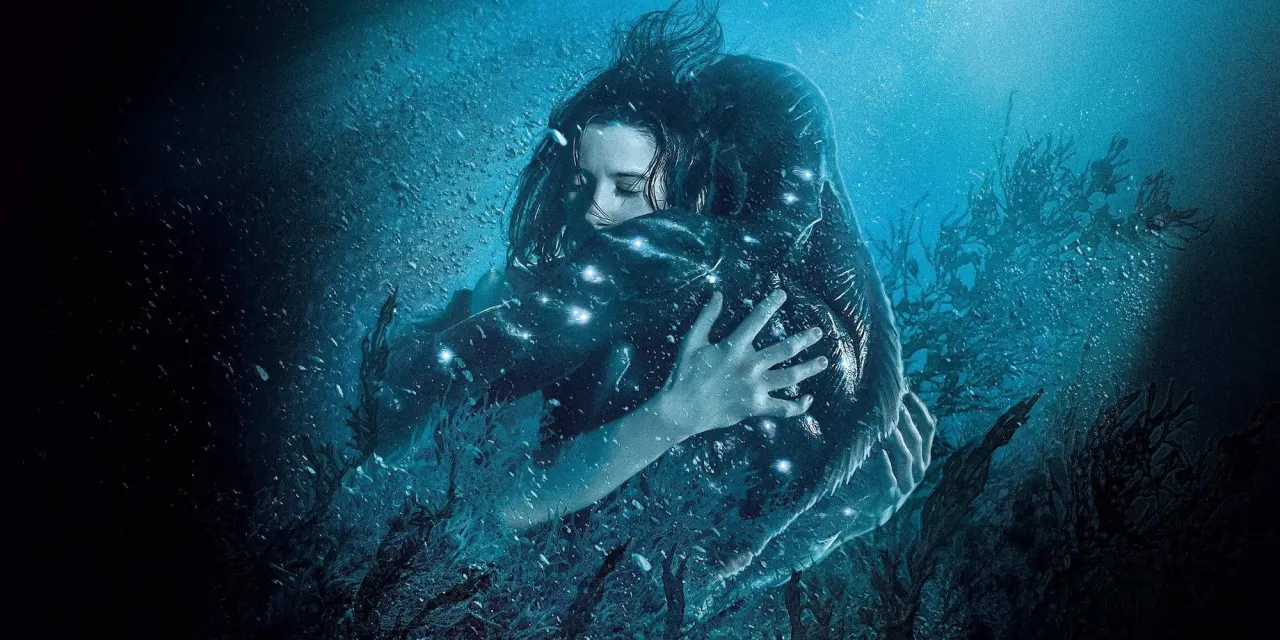
– The Green Knight (2021): David Lowery's dreamlike adaptation of the Arthurian legend stars Dev Patel as Gawain and emphasises meditation on cowardice and honour over adventure. – Pinocchio (2022): Guillermo del Toro's stop-motion film set in fascist Italy reinterprets the puppet tale as a story about obedience versus free thought, with death as a philosophical theme. – The Shape of Water (2017): Del Toro's Best Picture-winning film subverts the monster-movie genre with a romance between a mute cleaner and an amphibious creature, celebrating marginalised characters.
- Six post-2010 fantasy films prioritise exploring grief and mortality over traditional adventure.
- Directors like Guillermo del Toro create deeply personal films rather than franchise fodder.
- Guillermo del Toro's stop-motion Pinocchio and The Shape of Water showcase the genre's range.
New here? Start with this
In recent years, fantasy films have been used to explore serious philosophical themes. This article identifies six examples that employ fantastical settings and characters to examine themes including mortality, grief and existential questions, rather than focusing primarily on action and spectacle.
Guillermo del Toro appears twice on the list. His 2022 stop-motion film Pinocchio, set in fascist Italy, reimagines the puppet story as an exploration of obedience versus free choice, with mortality as a central philosophical concern. His 2017 work The Shape of Water, which won the Academy Award for Best Picture, subverts the monster-movie genre through a romance between a mute cleaner and an amphibious creature, thereby centring marginalised characters. David Lowery's The Green Knight similarly takes a philosophical approach to the Arthurian legend, focusing on honour and cowardice rather than adventure.
These films demonstrate that fantasy cinema can achieve purposes beyond escapist storytelling. The selection reflects a recognition that the genre can explore serious philosophical themes and centre overlooked narratives.
Both sides, in good faith
The strongest fair case each way — we don't pick a winner.
The case for
Fantasy cinema reaches its greatest artistic significance when filmmakers use the genre's metaphorical power to examine fundamental human experiences—grief, mortality, freedom, dignity. By championing films that weave philosophical depth and social awareness into imaginative worlds, we recognise that such thematic ambition doesn't diminish the genre's enchantment; rather, it enriches spectacle with meaning and allows fantasy to speak to our deepest concerns.
The case against
Whilst thematic sophistication deserves recognition, defining 'best' primarily through the lens of philosophical content and social commentary overlooks fantasy's equally vital powers: the ability to inspire wonder, create imaginative escape, and deliver narrative excitement through spectacle and mythic scope. Excellence takes many forms in the genre—compelling world-building, adventure-craft, technical mastery—and films succeeding brilliantly in these dimensions deserve equal standing to those praised for intellectual or political consciousness.