6 Divisive ‘Buffy the Vampire Slayer’ Episodes That Fans Hated But Have Aged Like Fine Wine
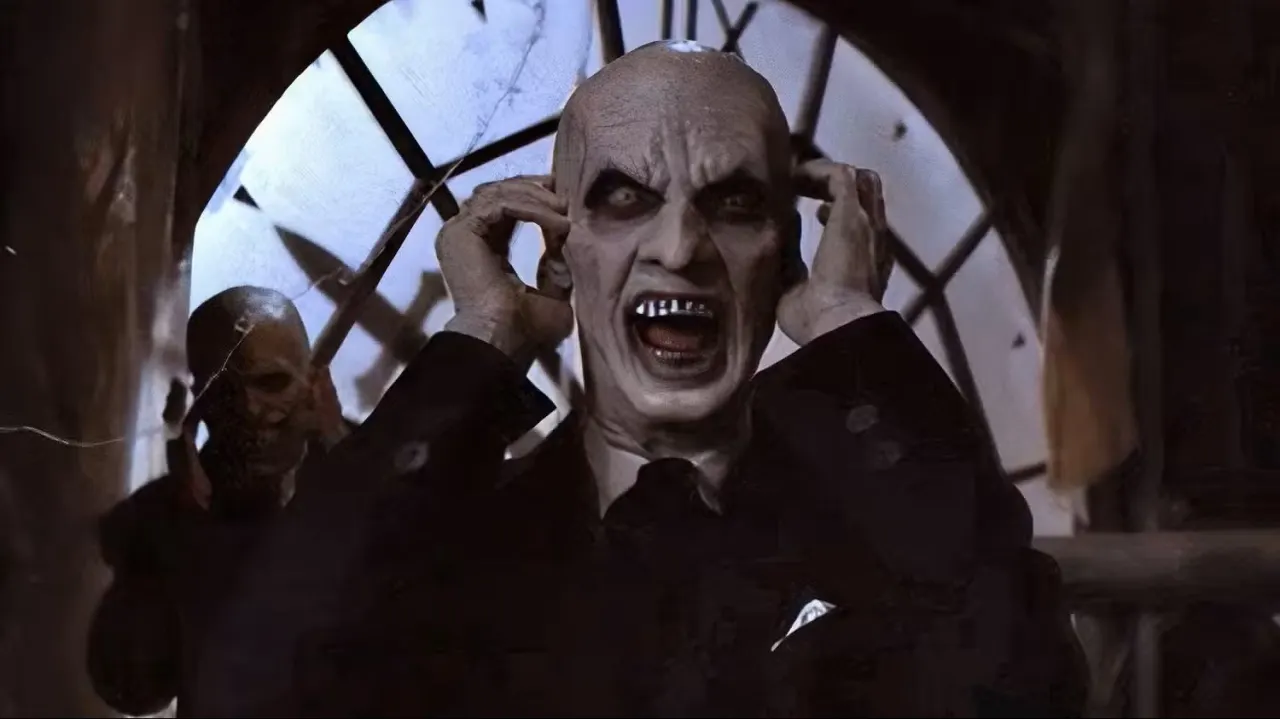
Polygon revisits divisive Buffy the Vampire Slayer episodes, arguing that hindsight has made their ambitious storytelling and emotional complexity more appreciable.
– ‘Dead Man’s Party’ makes Buffy’s friends and mother confront the consequences of her disappearance. – ‘Hush’ uses a 27-minute dialogue-free sequence to explore isolation and communication. – ‘This Year’s Girl’ employs dreamlike storytelling to examine Faith’s revenge and foreshadow Dawn. – ‘Normal Again’ is presented as a thought-provoking episode that challenges viewers’ understanding of Buffy’s reality.
In short
- Divisive Buffy episodes are reassessed as creatively ambitious.
- Emotional conflict makes ‘Dead Man’s Party’ more nuanced.
- ‘Hush’ remains a landmark silent television episode.
Steelman: both sides, in good faith
The strongest fair case each way — we don't pick a winner.
The case for
Critics who champion these episodes argue that their experimental techniques—such as 'Hush's dialogue-free storytelling or 'Normal Again's reality-bending narrative—represented genuine artistic ambition that audiences at the time were unprepared to appreciate. They contend that with more sophisticated viewing experience and understanding of character arcs across the series, audiences can now see how these episodes served the show's larger thematic purposes around isolation, consequences, and existential uncertainty, making initial dismissal a failure of perspective rather than artistic execution.
The case against
Those who maintain the original criticism argue that retrospective appreciation often confuses artistic ambition with successful execution, and that nostalgia for beloved shows obscures why these episodes genuinely struggled with pacing, emotional clarity, or narrative coherence at the time. They contend that honouring a show need not require retroactively redeeming episodes that didn't work—sometimes bold creative risks simply falter, and honest assessment means acknowledging that rather than reframing imperfect television as underappreciated artistry simply because the series ultimately proved durable.
Explained simply
Buffy the Vampire Slayer is a television drama about Buffy Summers, a teenager chosen to fight vampires and other supernatural threats. Set largely in the fictional town of Sunnydale, it combines monster stories with plots about growing up, friendship and family.
Buffy’s friends, including Willow, Xander and Giles, help her face dangers that often reflect problems in their everyday lives. The series ran from 1997 to 2003, and its episodes sometimes experimented with structure and tone, which could divide viewers. Revisiting them can show how their stories fit into the characters’ longer journeys.