Entertainment news and discussion on TalkFuse.
60 Years Ago, The Beatles Released an Album That Changed Everything
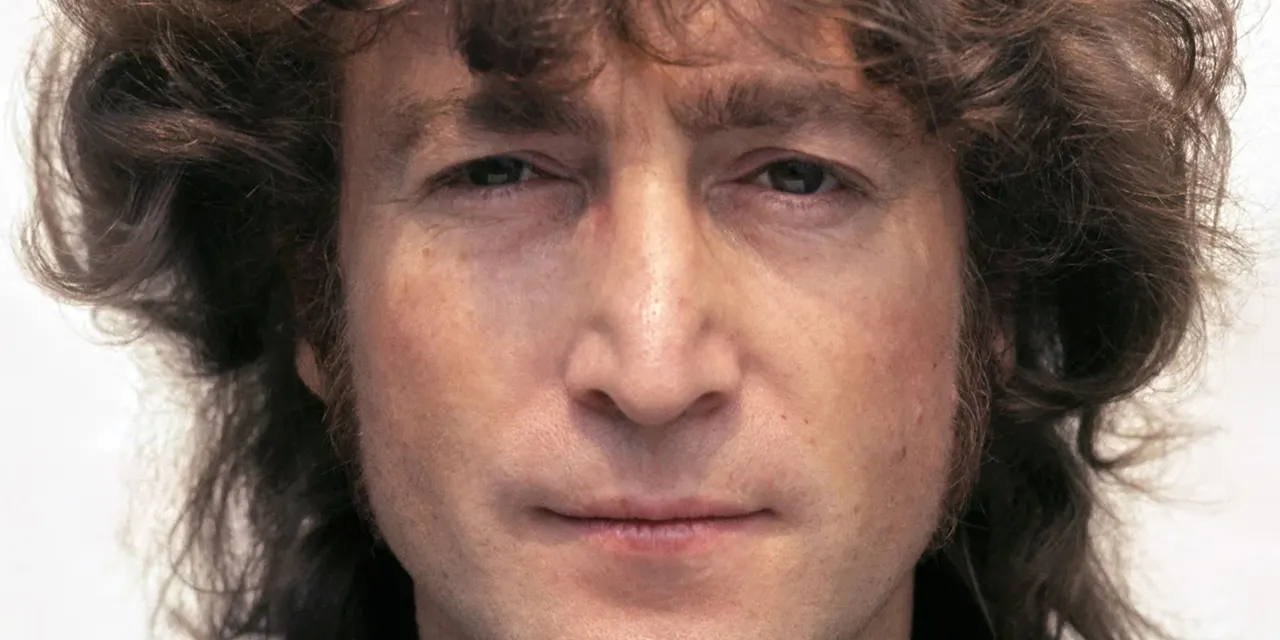
This year marks 60 years since The Beatles released Revolver, the 1966 album widely credited with transforming popular music by treating the recording studio itself as an instrument. Freed from touring commitments after 1965's Rubber Soul, the band worked with producer George Martin to pioneer techniques such as double-tracking, tape loops, varied recording speeds and backwards guitars, blending them with strings, horns, tablas and sitars to create sounds that could not be reproduced live.
The album features tracks including George Harrison's "Taxman," Paul McCartney's string-laden "Eleanor Rigby," and John Lennon's psychedelic "Tomorrow Never Knows," which used reversed tape effects and a Leslie speaker to manipulate vocals. George Harrison's growing interest in Indian music, inspired by Ravi Shankar, brought sitar, tambura and tabla into songs such as "Love You To," while McCartney credited The Beach Boys' Pet Sounds, released a month earlier, as an influence on "Here, There and Everywhere."
In short
- Revolver, released August 1966, turns 60 this year
- The Beatles pioneered studio techniques like tape loops and backwards guitar
- Album blended Indian instrumentation and psychedelia, inspired partly by Pet Sounds
Explained simply
The Beatles were a British band whose members included John Lennon, Paul McCartney and George Harrison. By the mid-1960s they had become international stars, but they stopped touring in 1966 and could spend more time recording with producer George Martin.
Revolver brought together songs written by different band members and drew on a wide range of musical ideas. Harrison’s interest in Indian music led to the use of instruments such as the sitar and tabla, while other tracks featured strings and unusual changes to recorded sound.
The album helped show how the recording studio could shape a song, rather than simply capture musicians playing it. Its approach influenced later popular music, and its songs also reflected the band’s varied interests and changing sound.