New releases, music videos and album news — indie, rap, rock and pop. Always covering Ren, Chris Webby, Sam Tompkins, bbno$, CHINCHILLA, Muse, Yungblud and more.
60 years of ‘Dead End Street’: The Kinks’ working-class ode to the bleak English winter
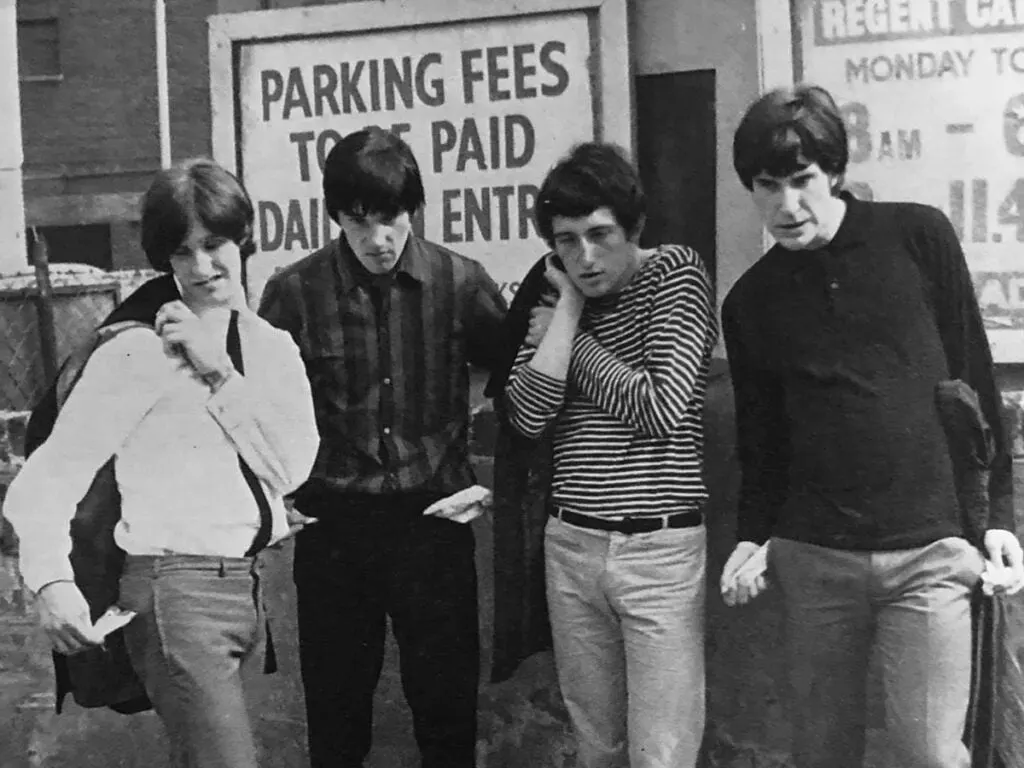
The Kinks’ 1966 song “Dead End Street” portrayed the cold, difficult realities of working-class life in England, offering a bleak contrast to the colourful image of the Swinging Sixties. Ray Davies drew on his post-war London upbringing and his parents’ memories of the Depression, making the song a personal account of hardship and seasonal gloom.
Released on 18 November 1966, the track was written quickly and deliberately for winter, as daylight faded and the mood shifted. Its video, which showed the band acting as undertakers carrying a coffin from a terraced house, was an early example of the form and was banned by the BBC. The single reached the UK top five and remains one of Davies’s best-regarded songs.
In short
- The Kinks released “Dead End Street” on 18 November 1966.
- Ray Davies wrote it as a bleak portrait of working-class England.
- Its coffin-themed video was banned by the BBC.
Explained simply
The Kinks were an English rock band led by brothers Ray and Dave Davies. In the 1960s, Britain was often associated with the “Swinging Sixties”, a period of youth culture, fashion and popular music; that image did not reflect everyone’s lives.
Ray Davies grew up in post-war London, and his parents had memories of the economic hardship of the 1930s. Those experiences informed songs about ordinary people facing low incomes and difficult living conditions. “Dead End Street” places that hardship in the cold, dark months of winter.